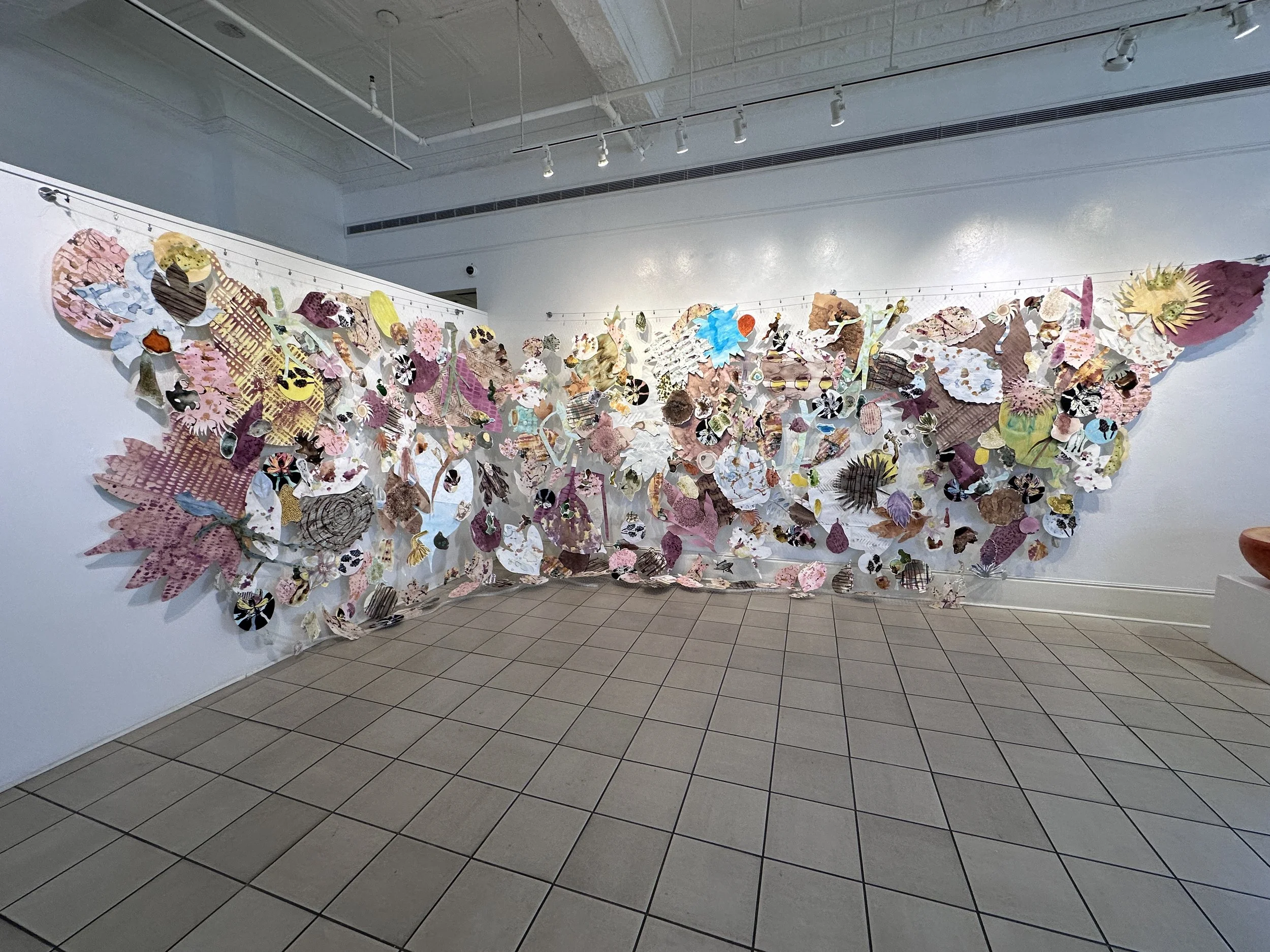
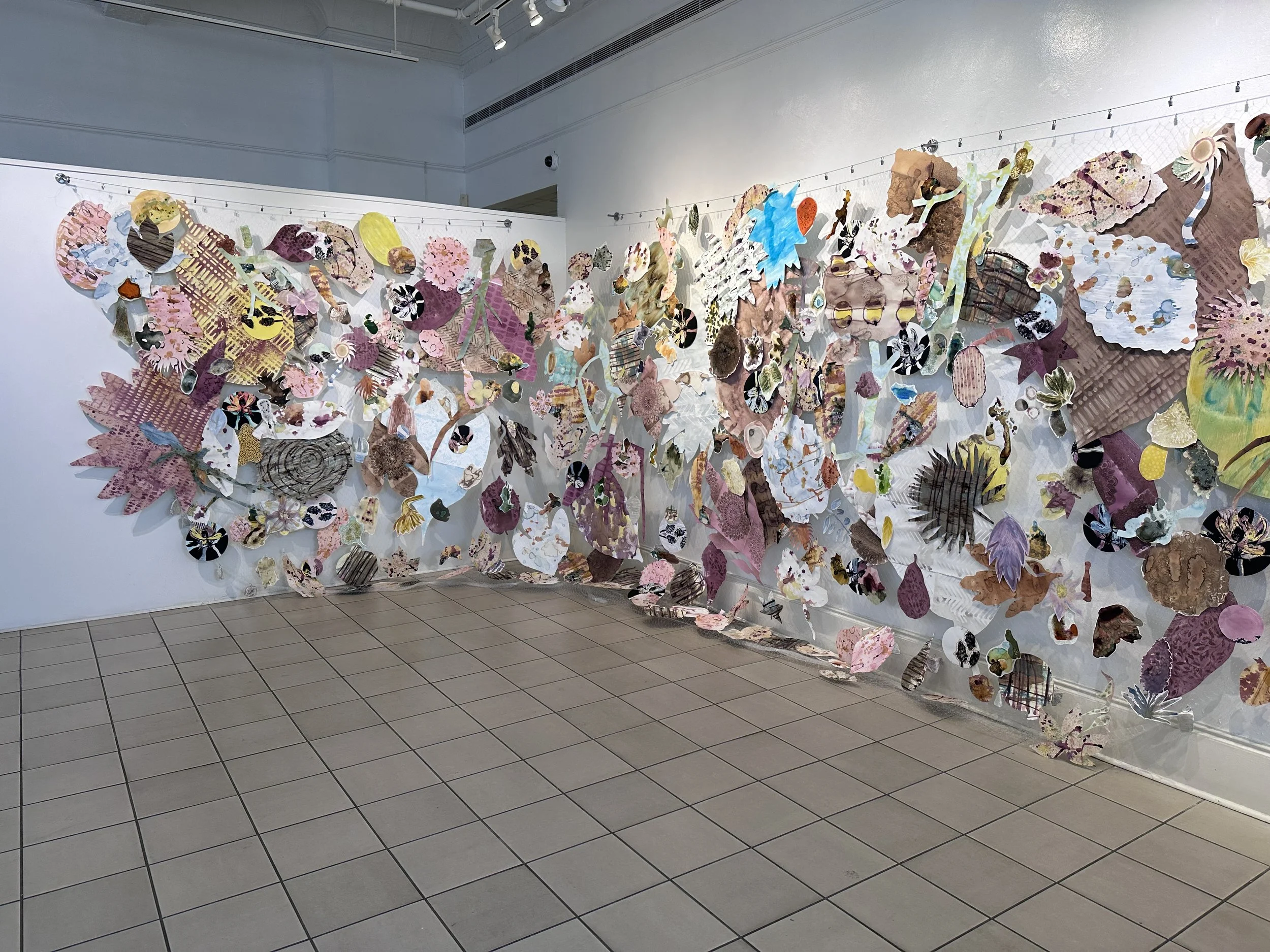
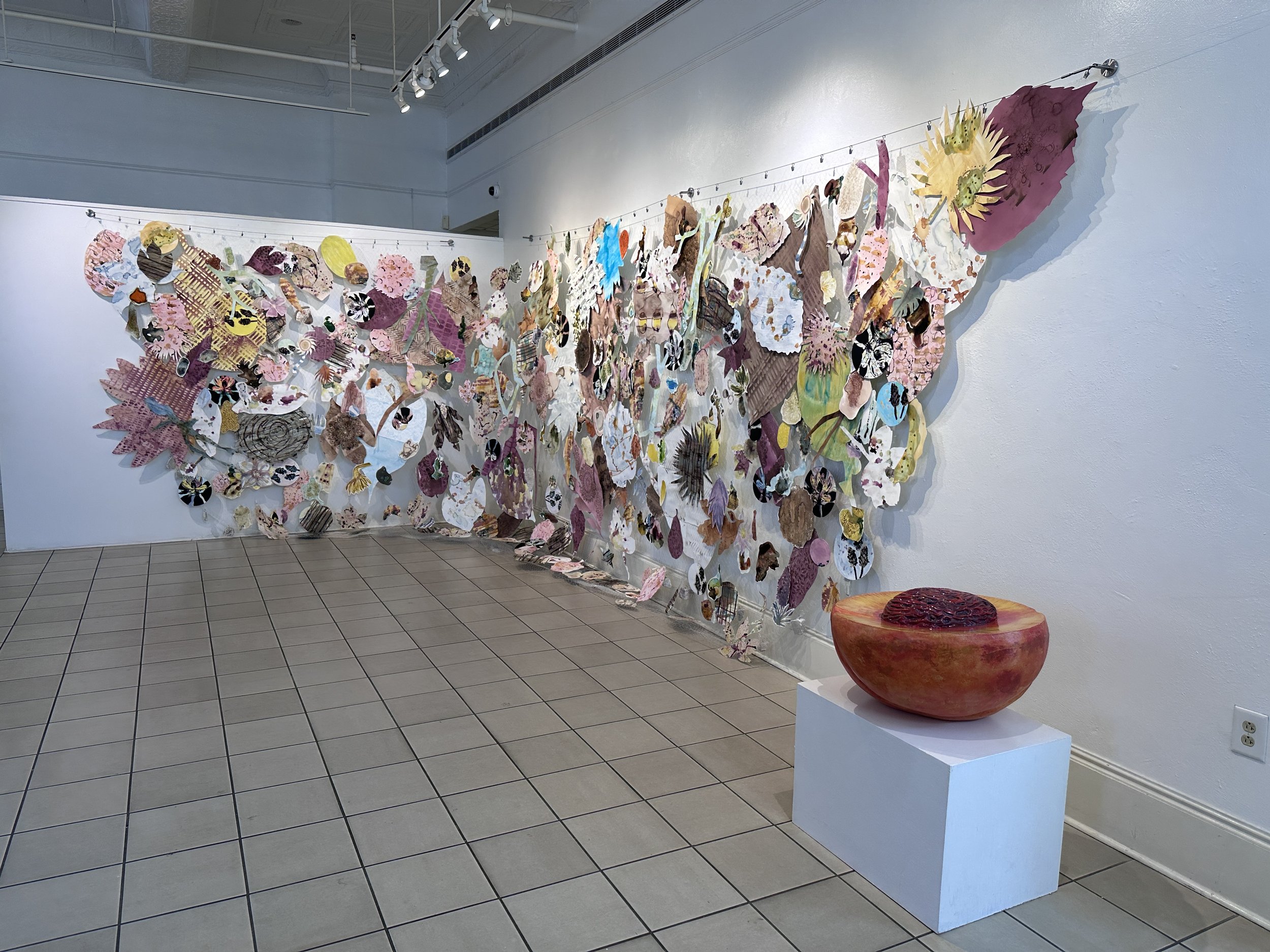
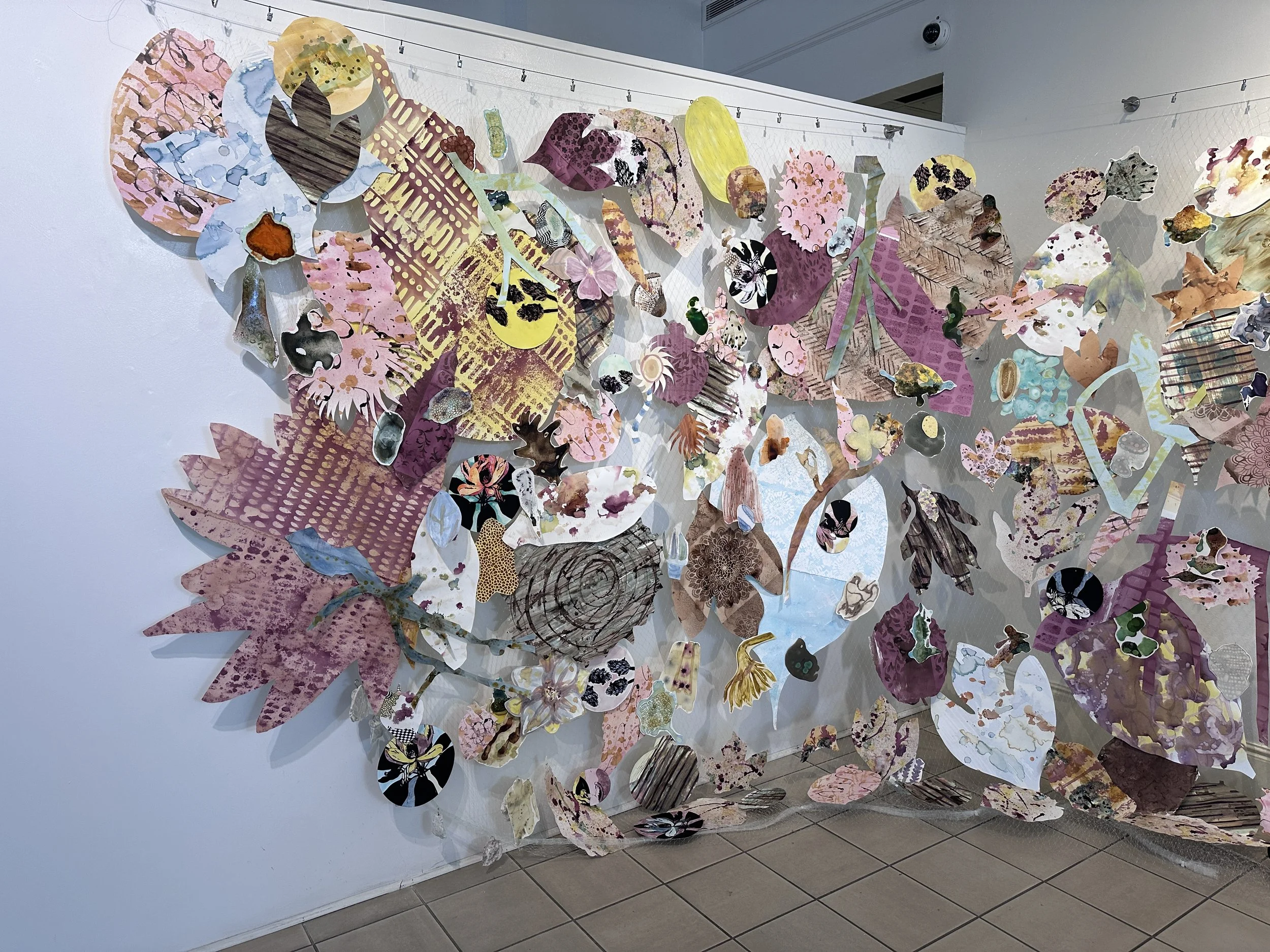
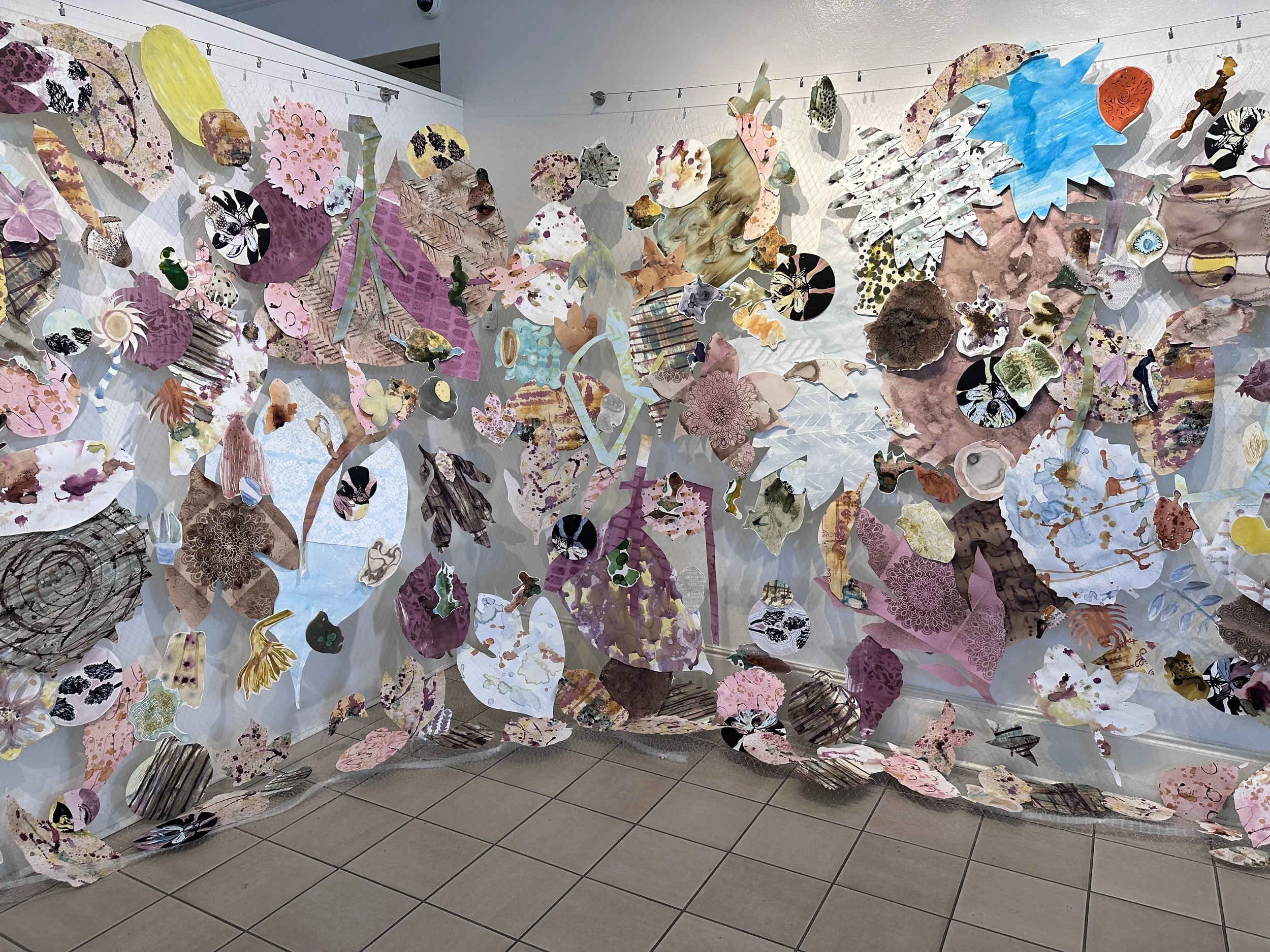
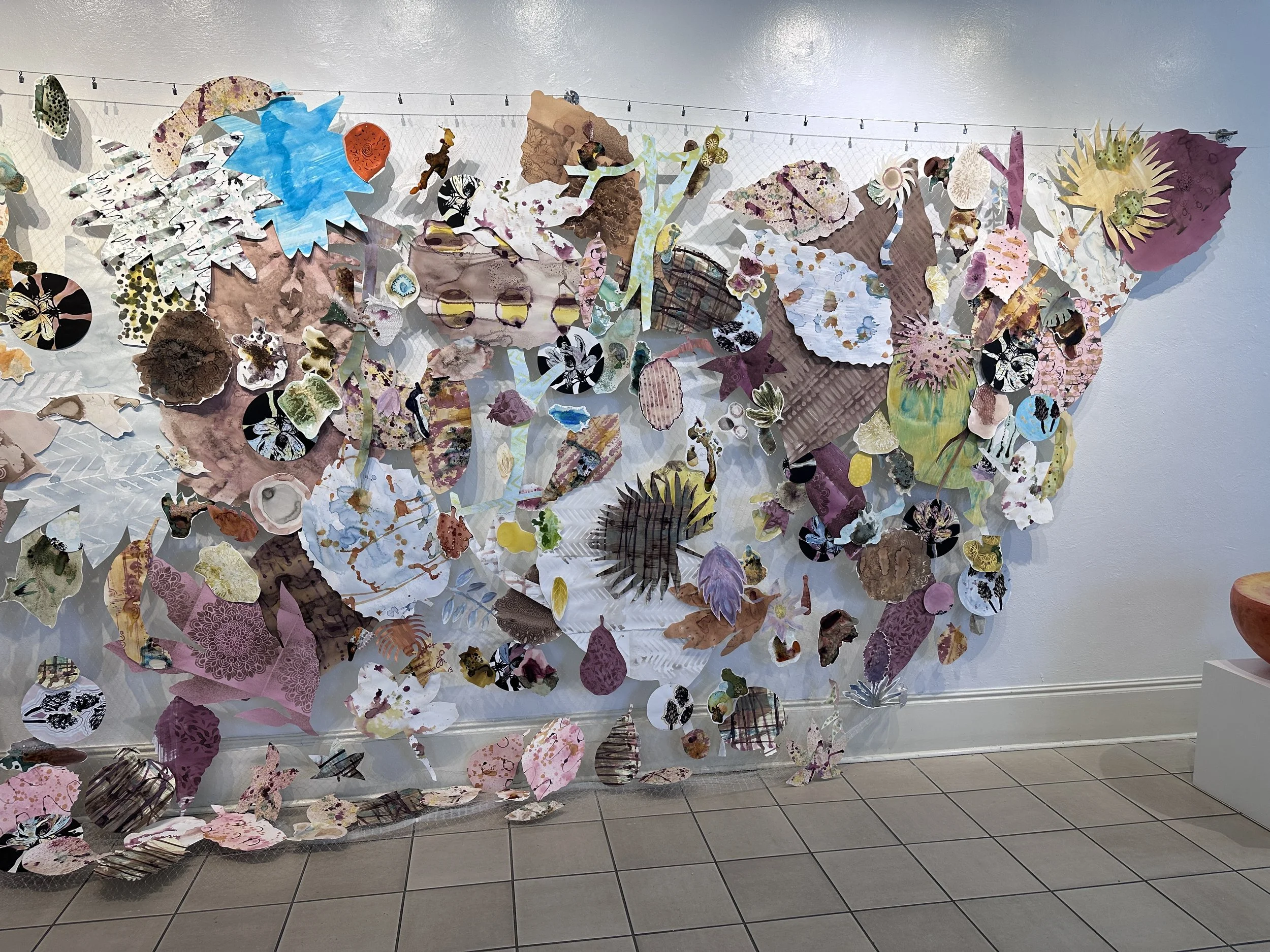
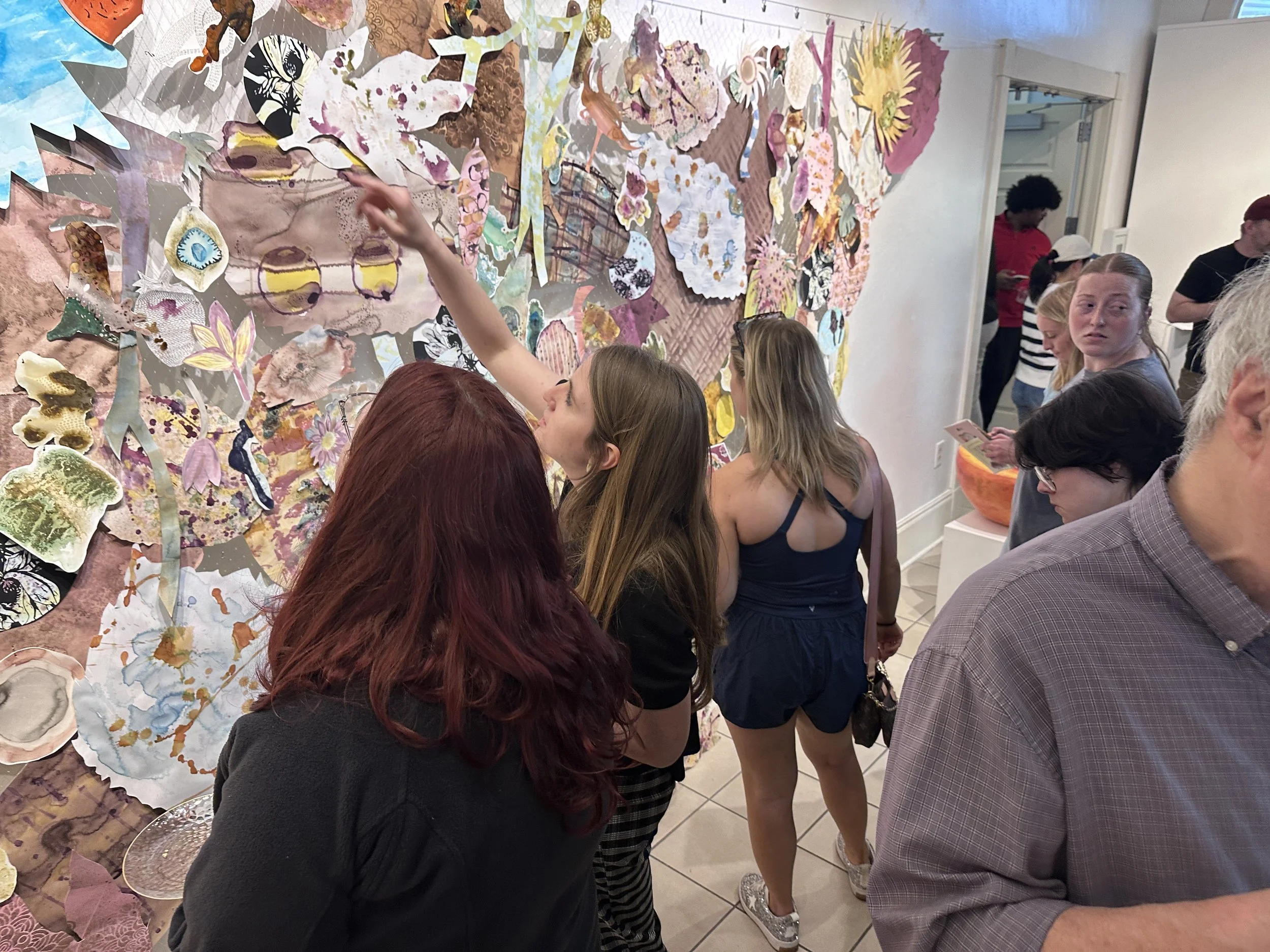
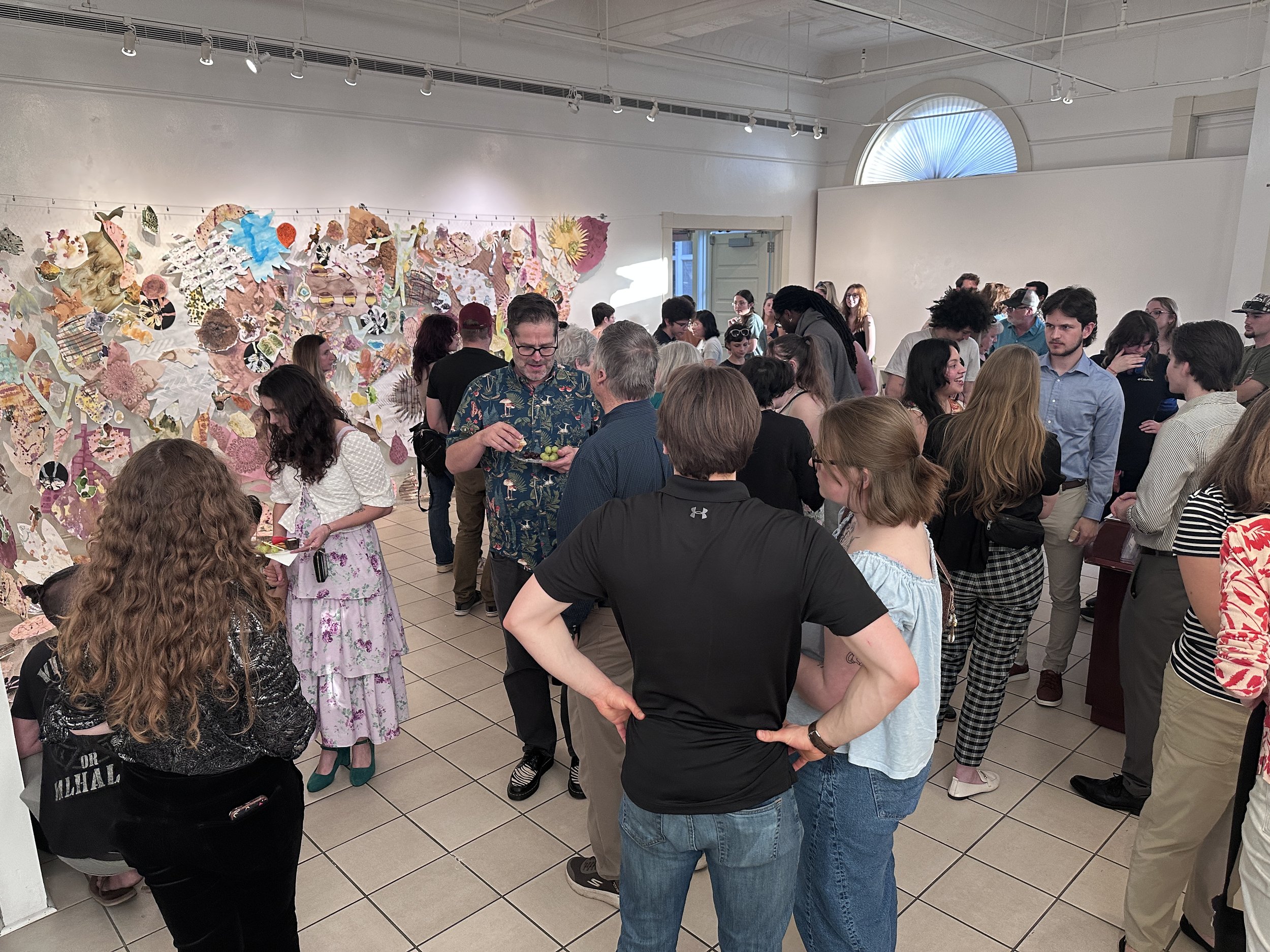
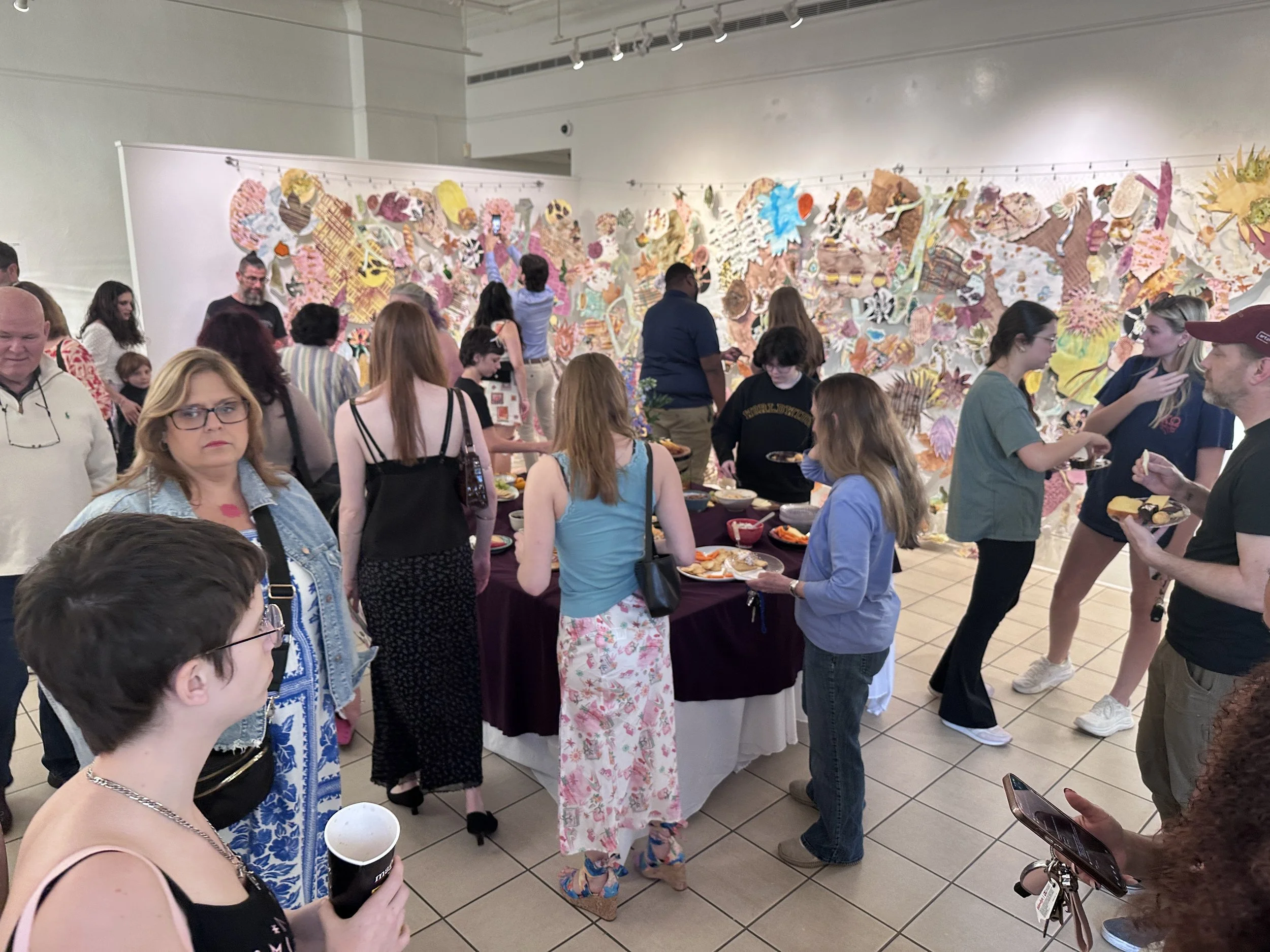
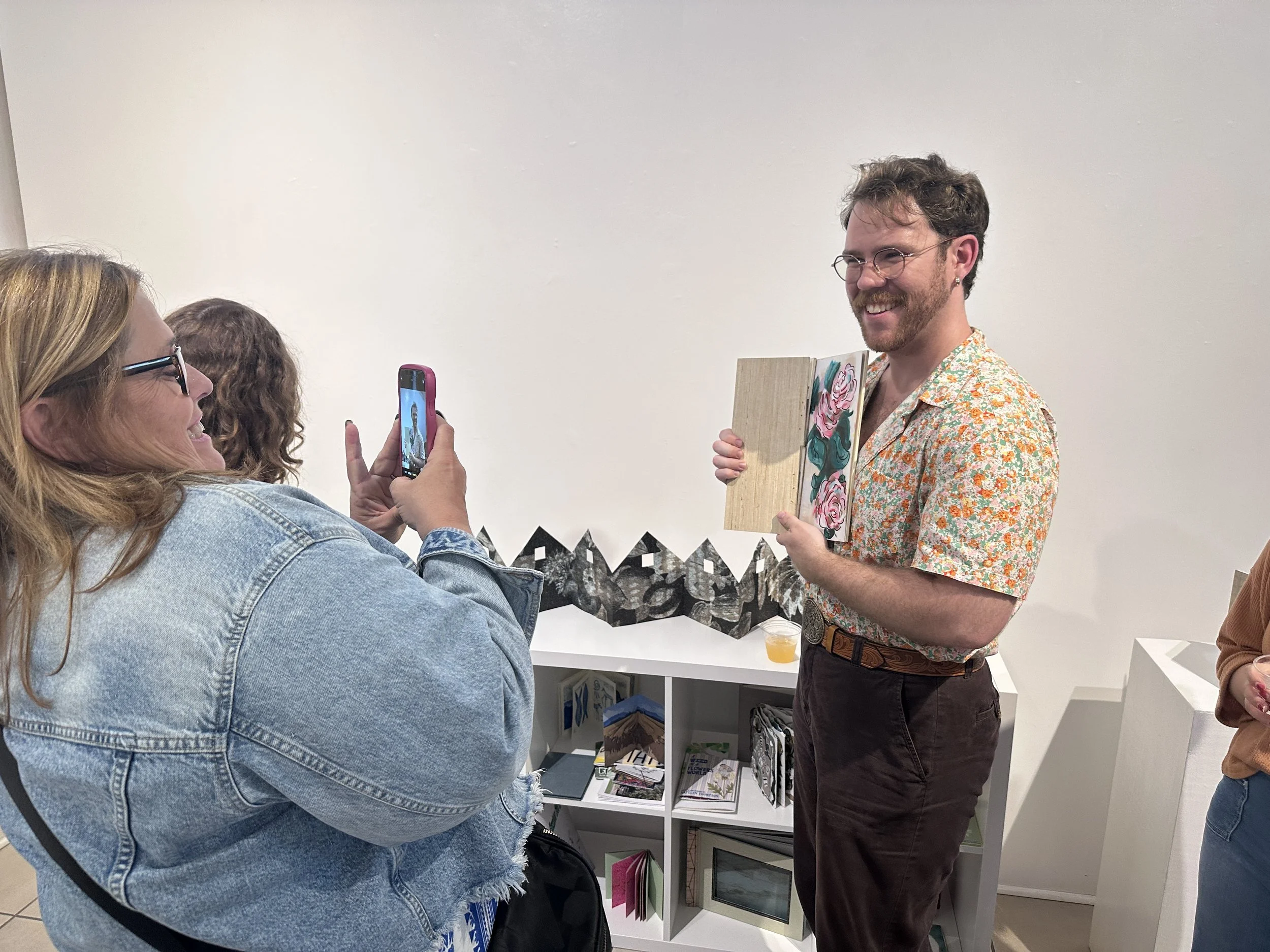
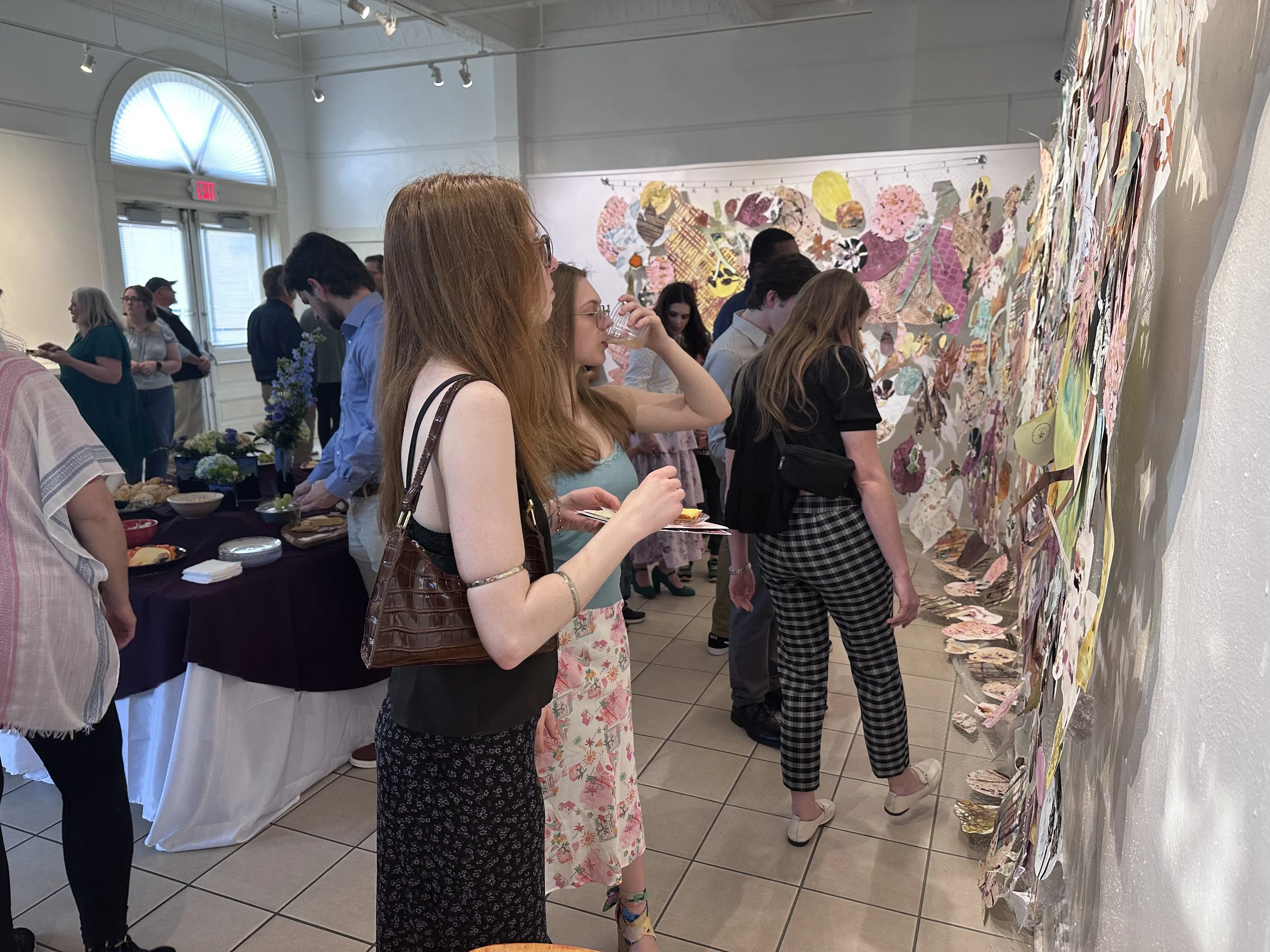
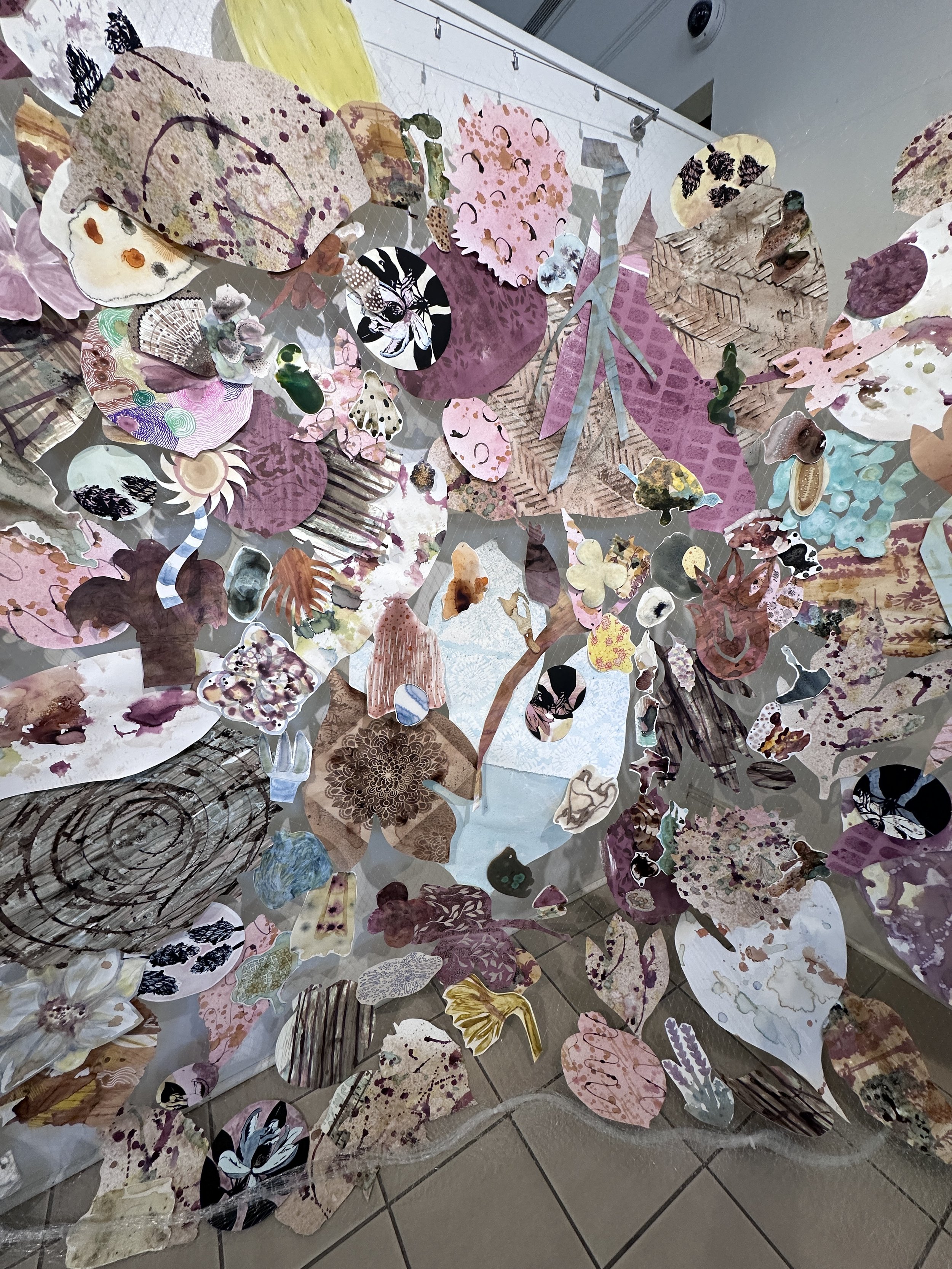
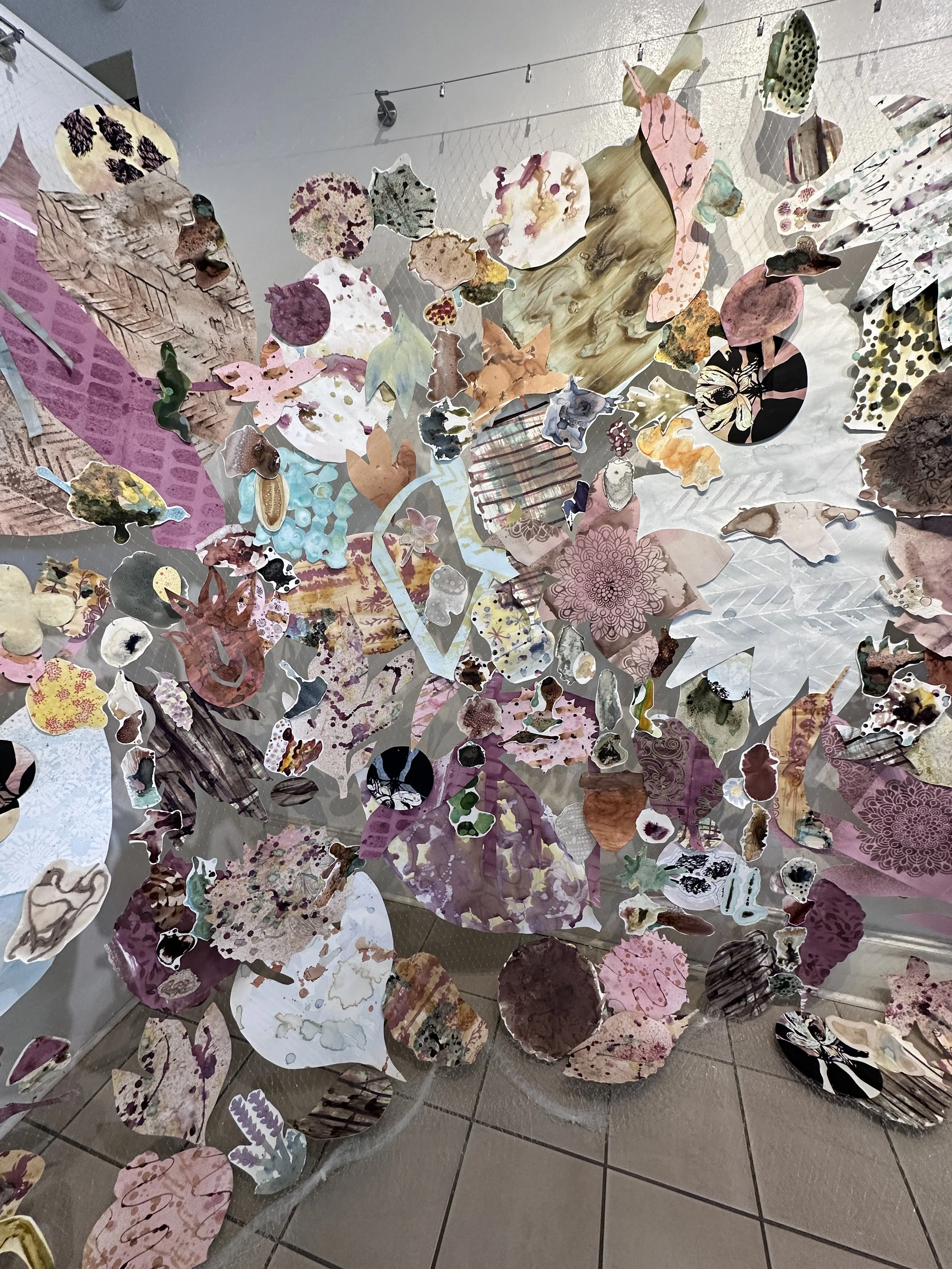
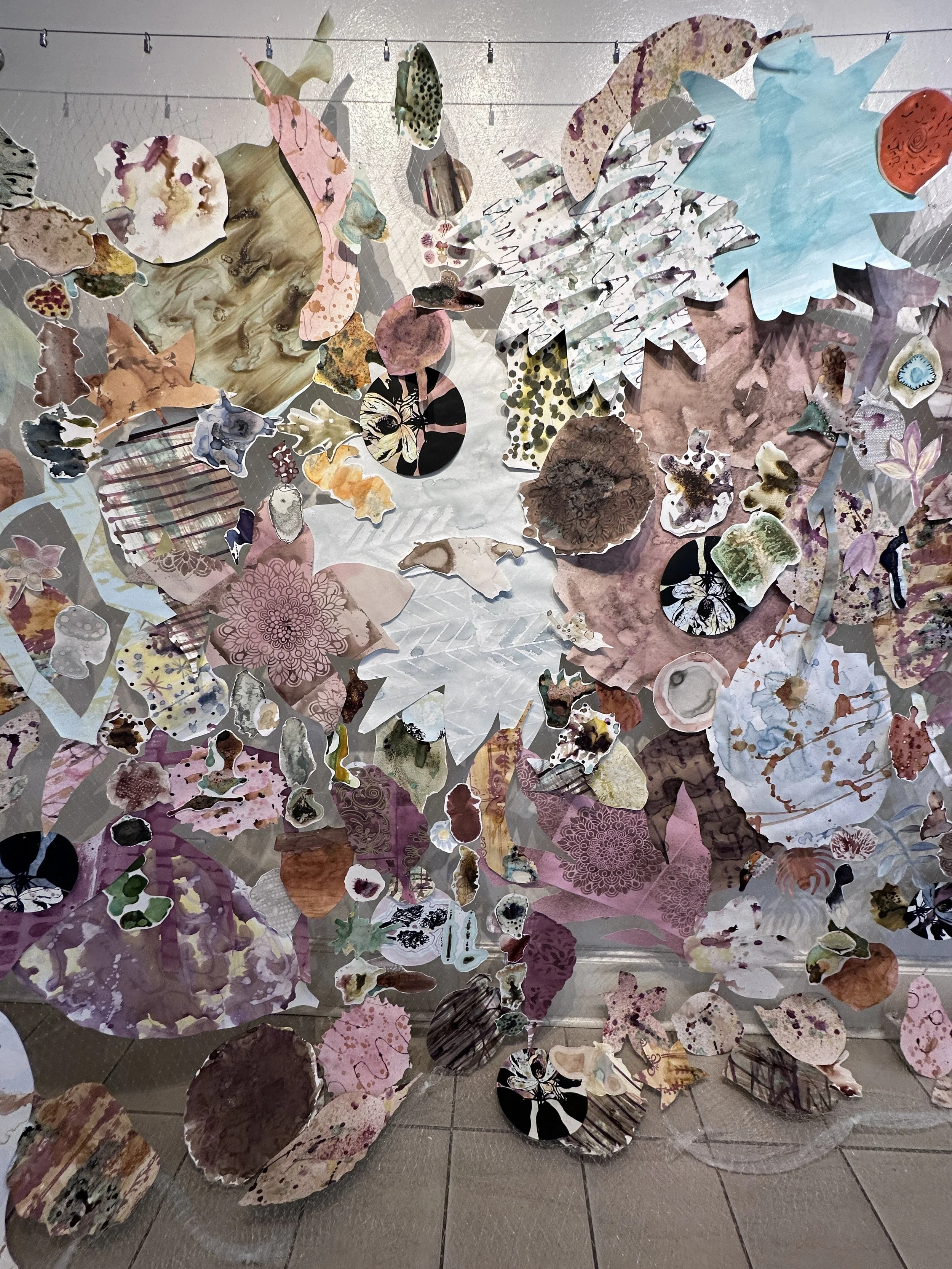
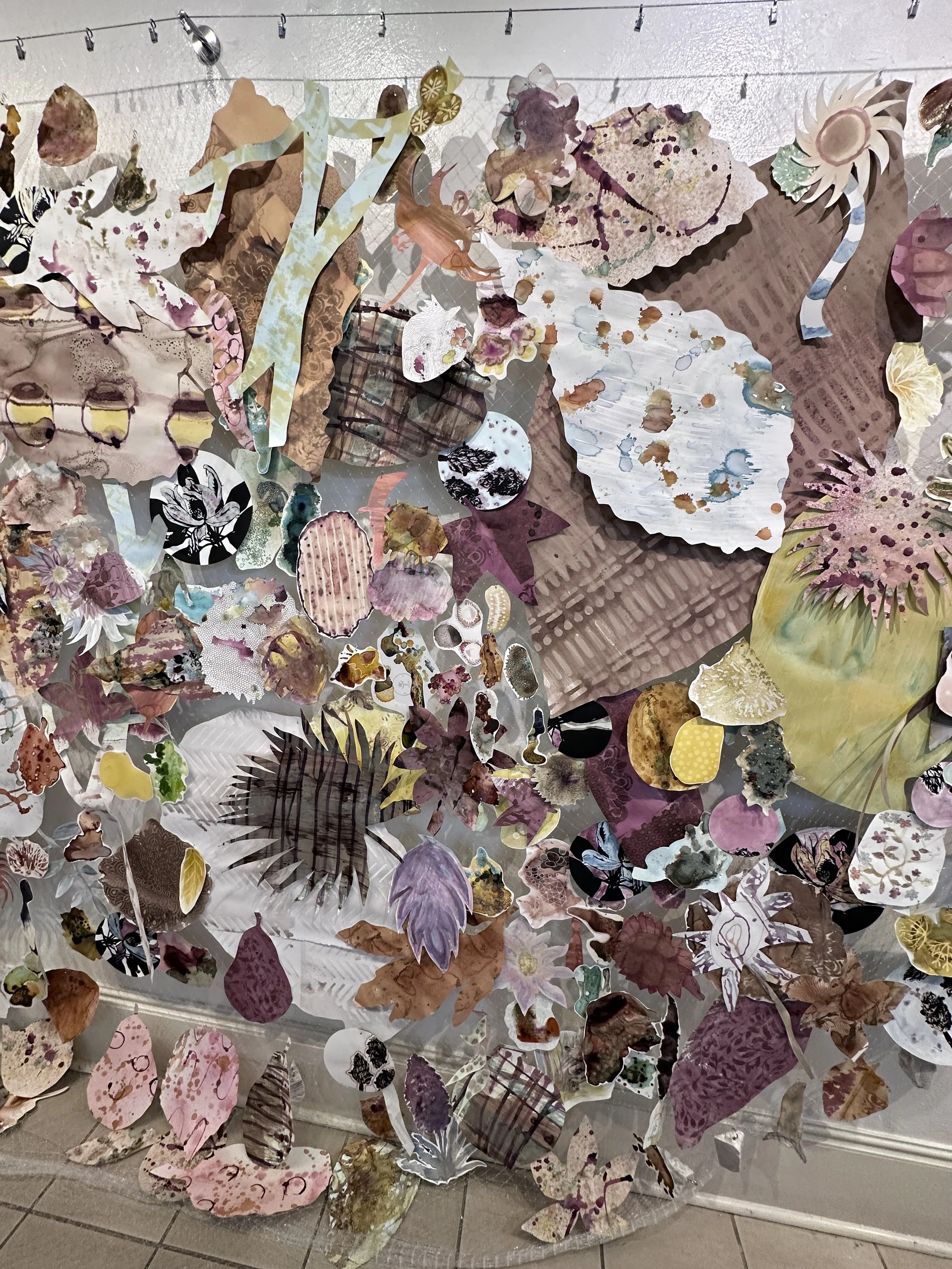
A Botanical Inks—Community-Based Drawing Installation
Mesa Arts Center, Mesa, AZ
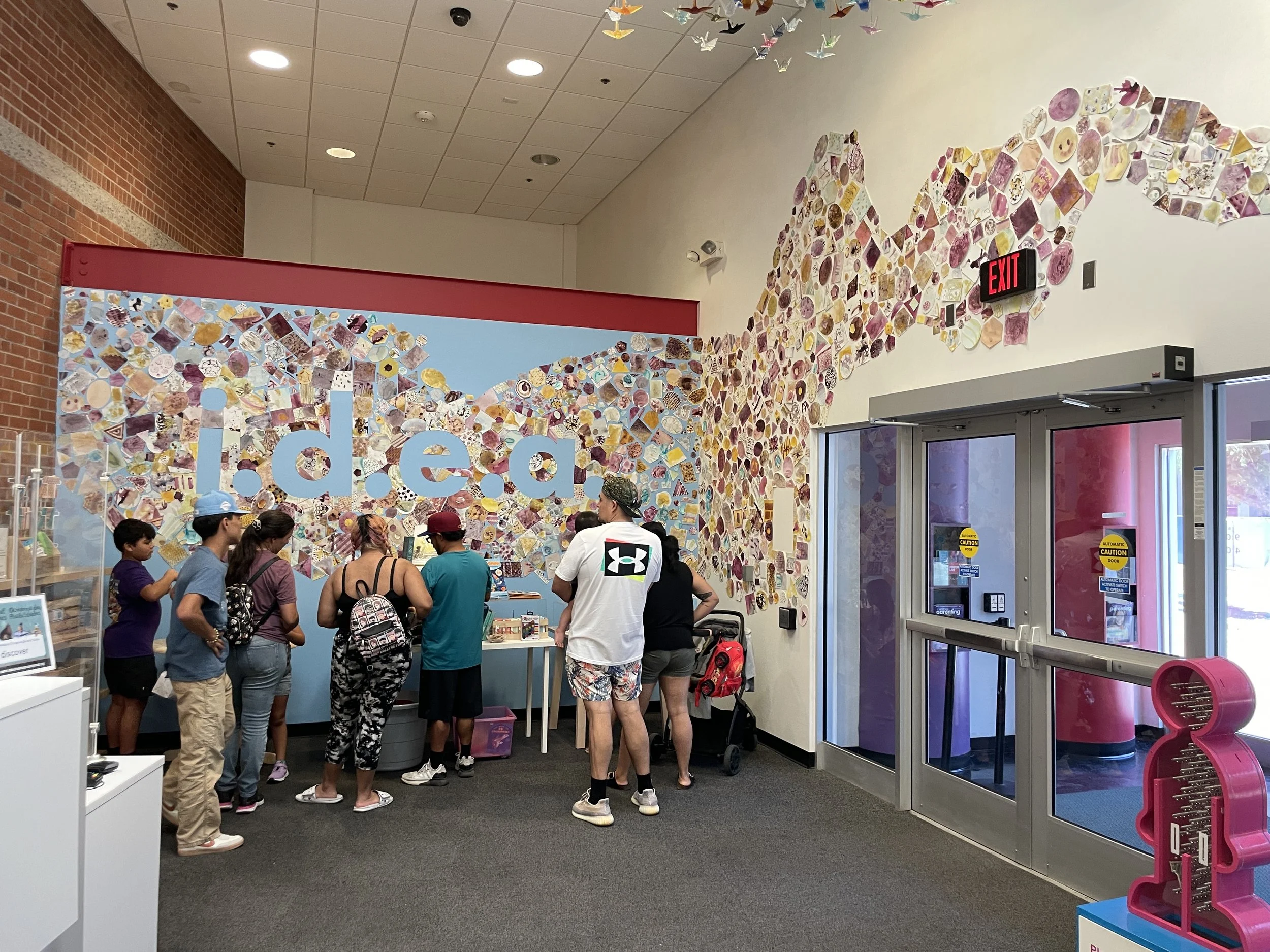
i.d.e.a. Museum, Mesa, AZ
Arizona Museum of Natural History, Mesa, AZ
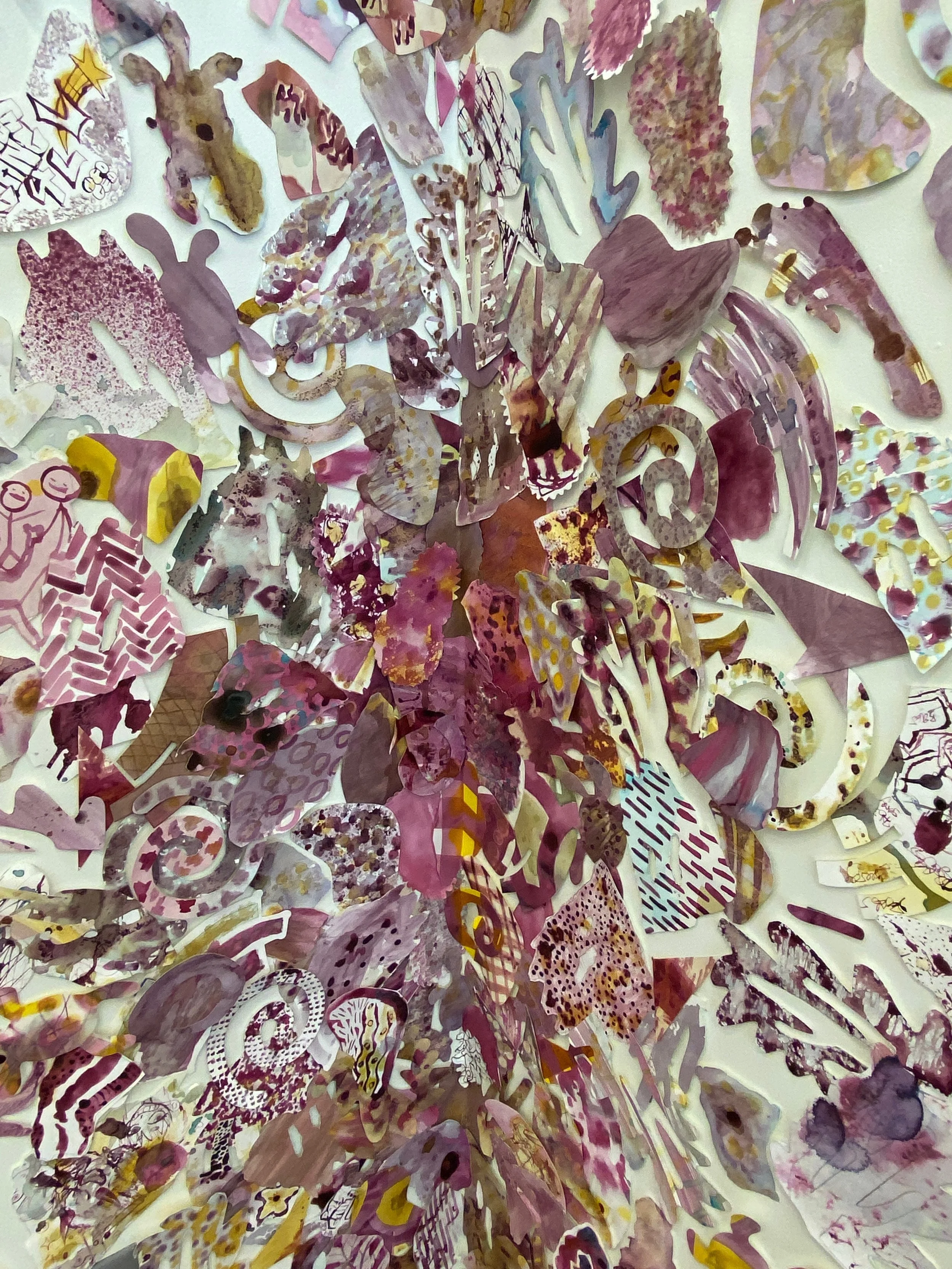
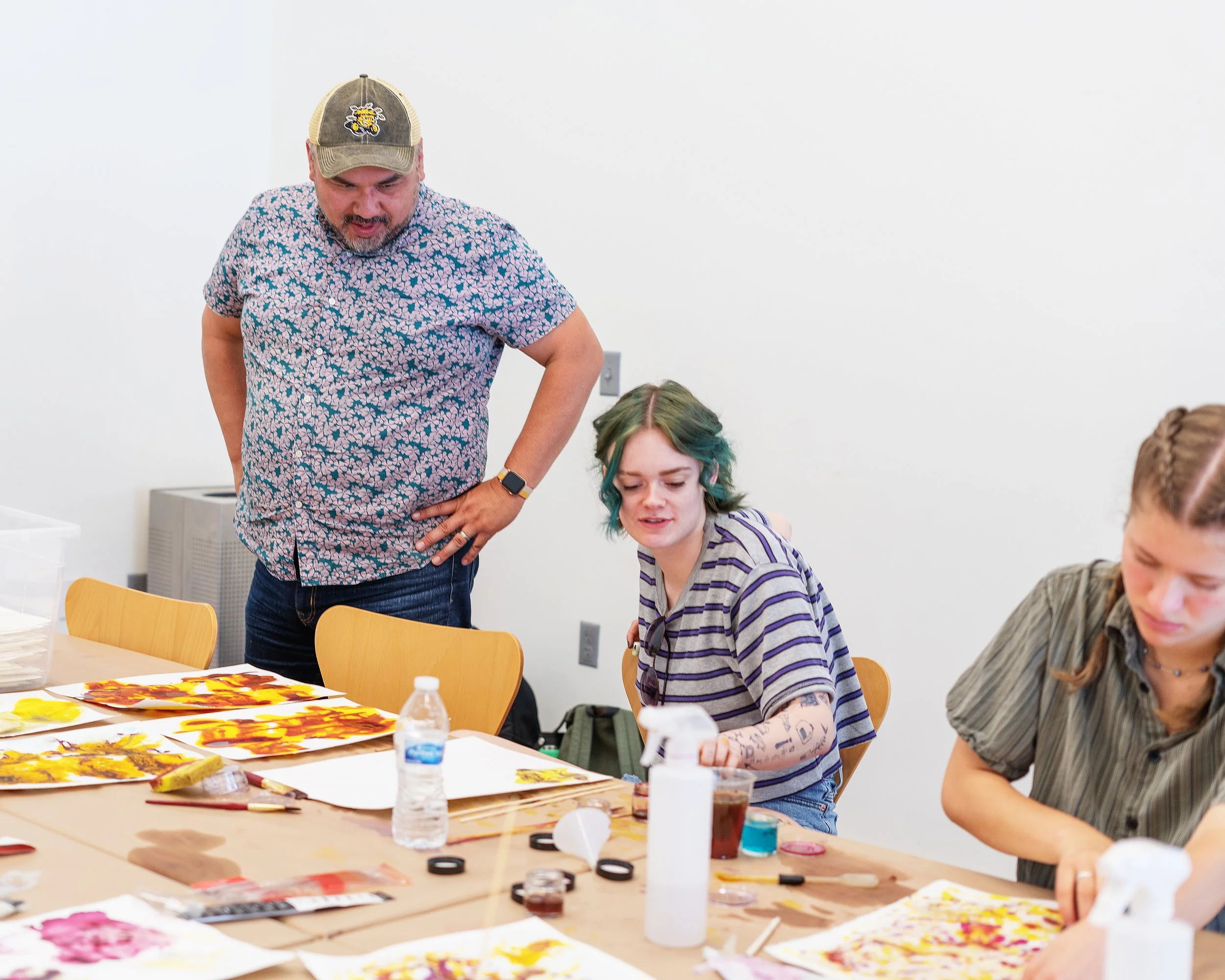
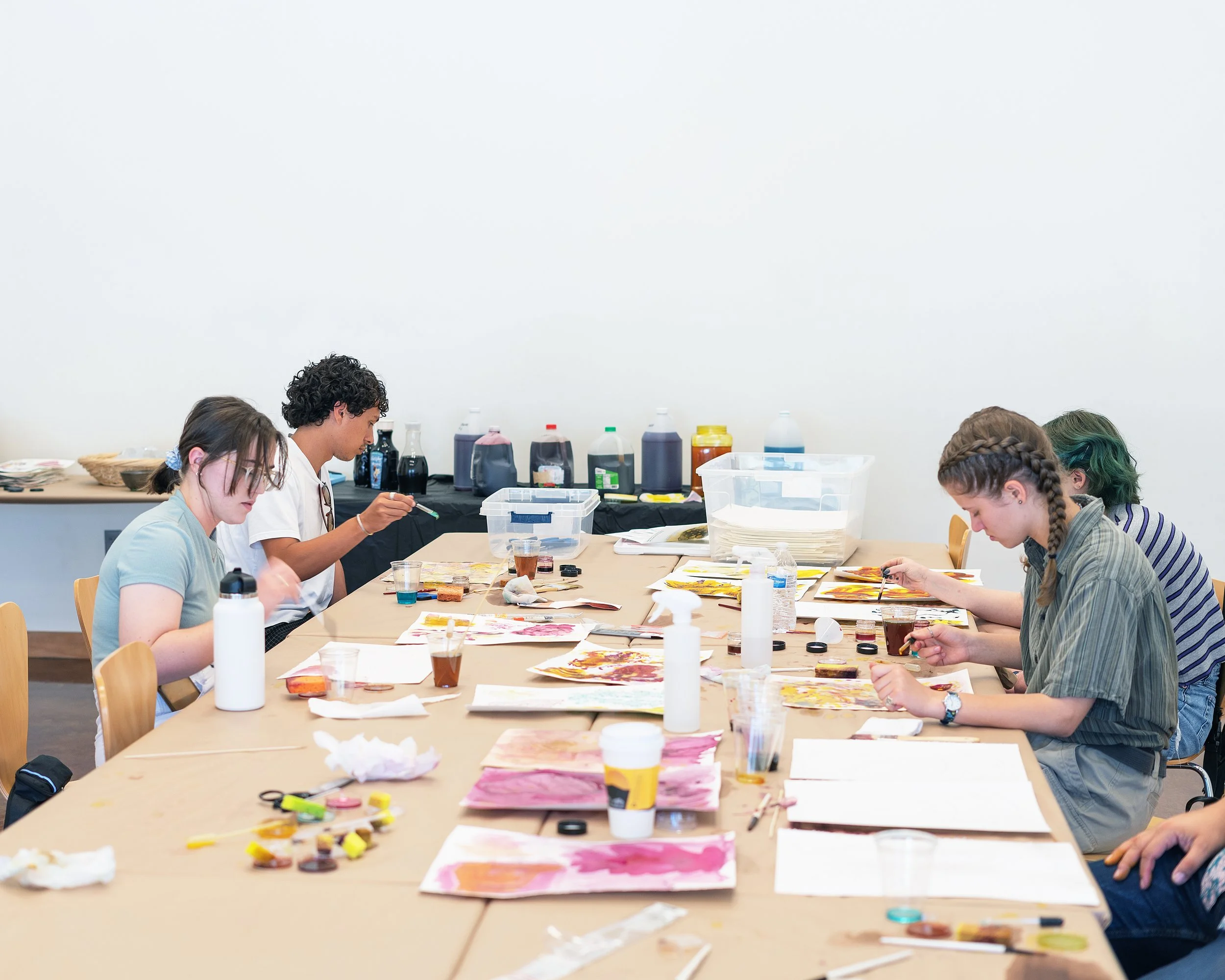
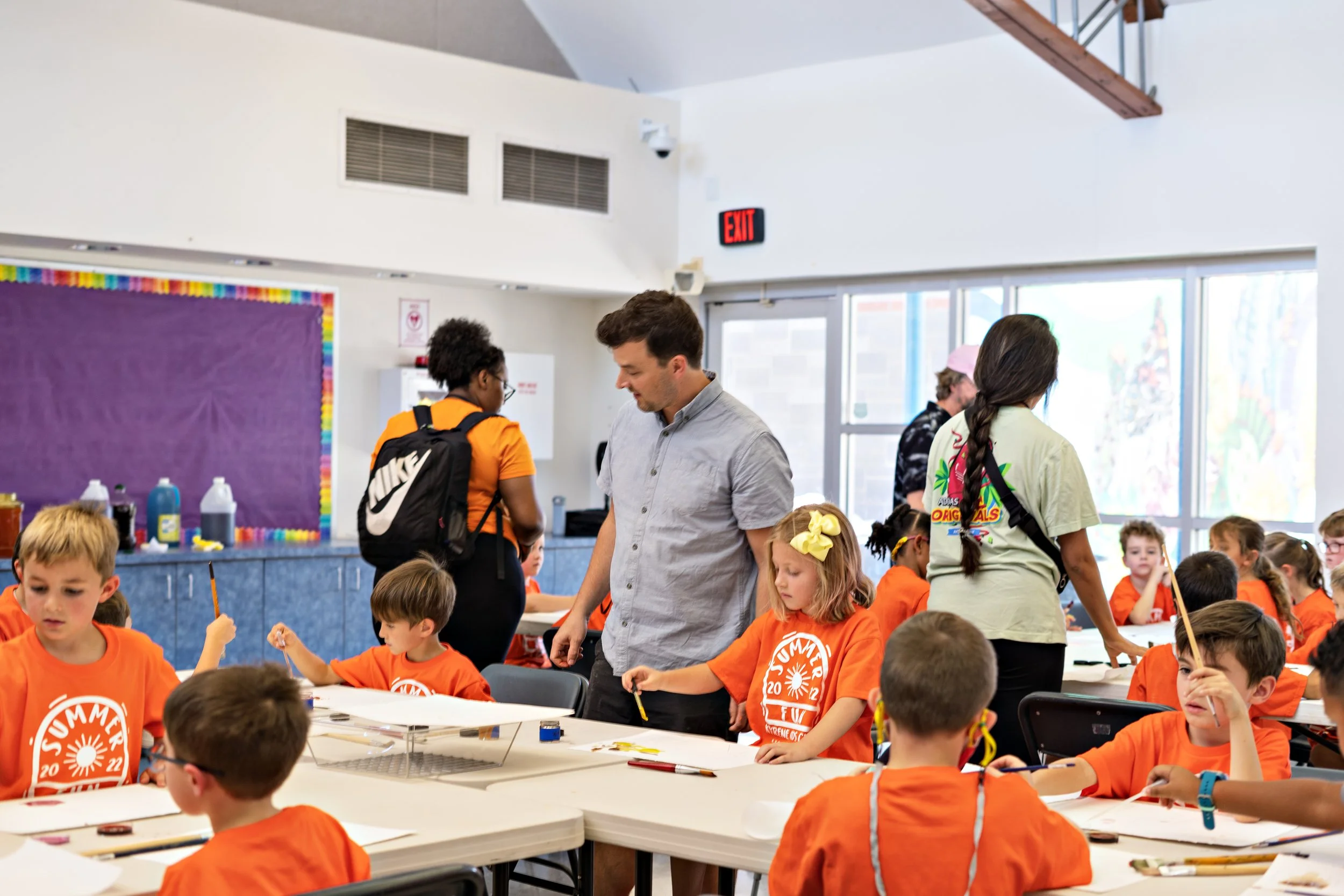
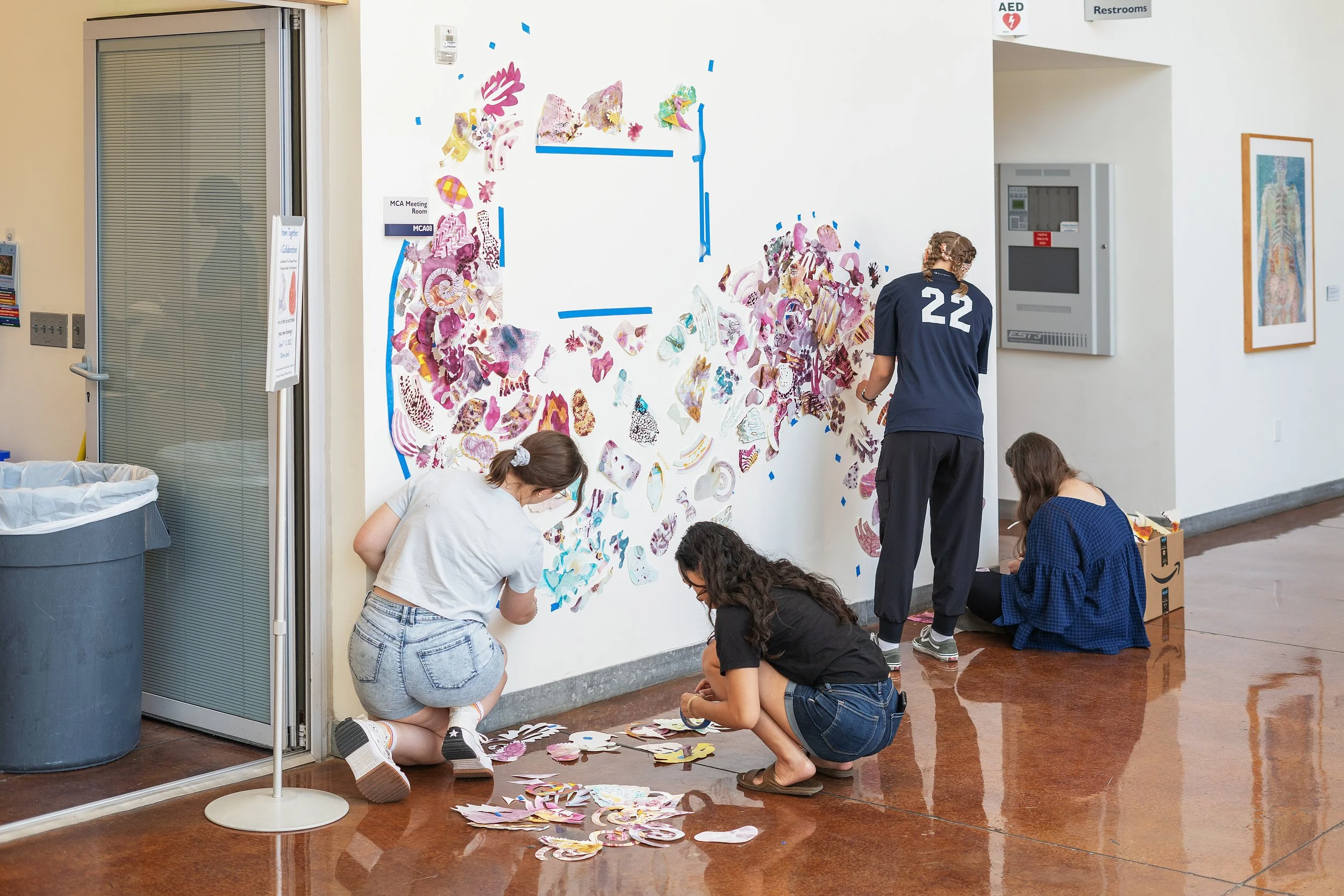
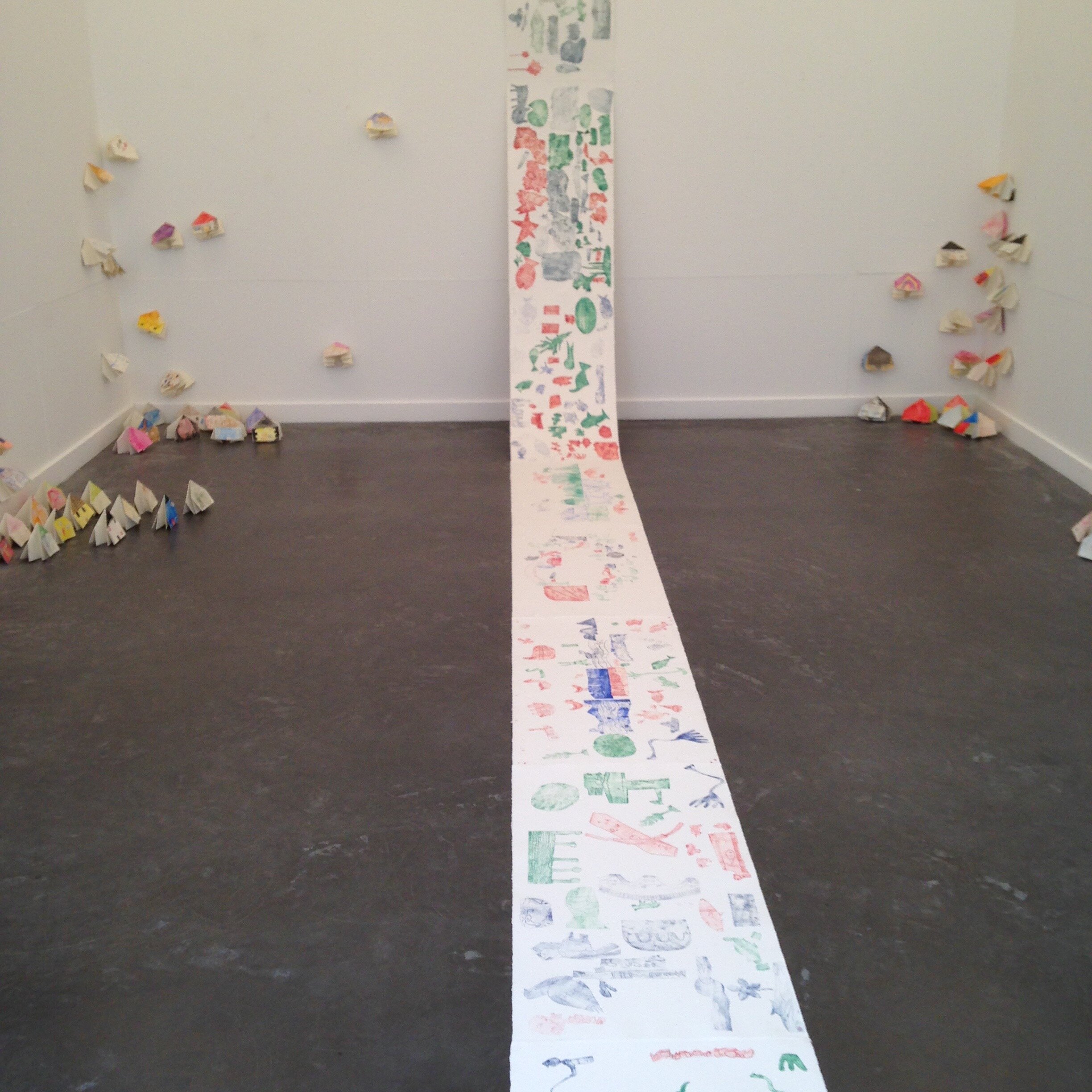
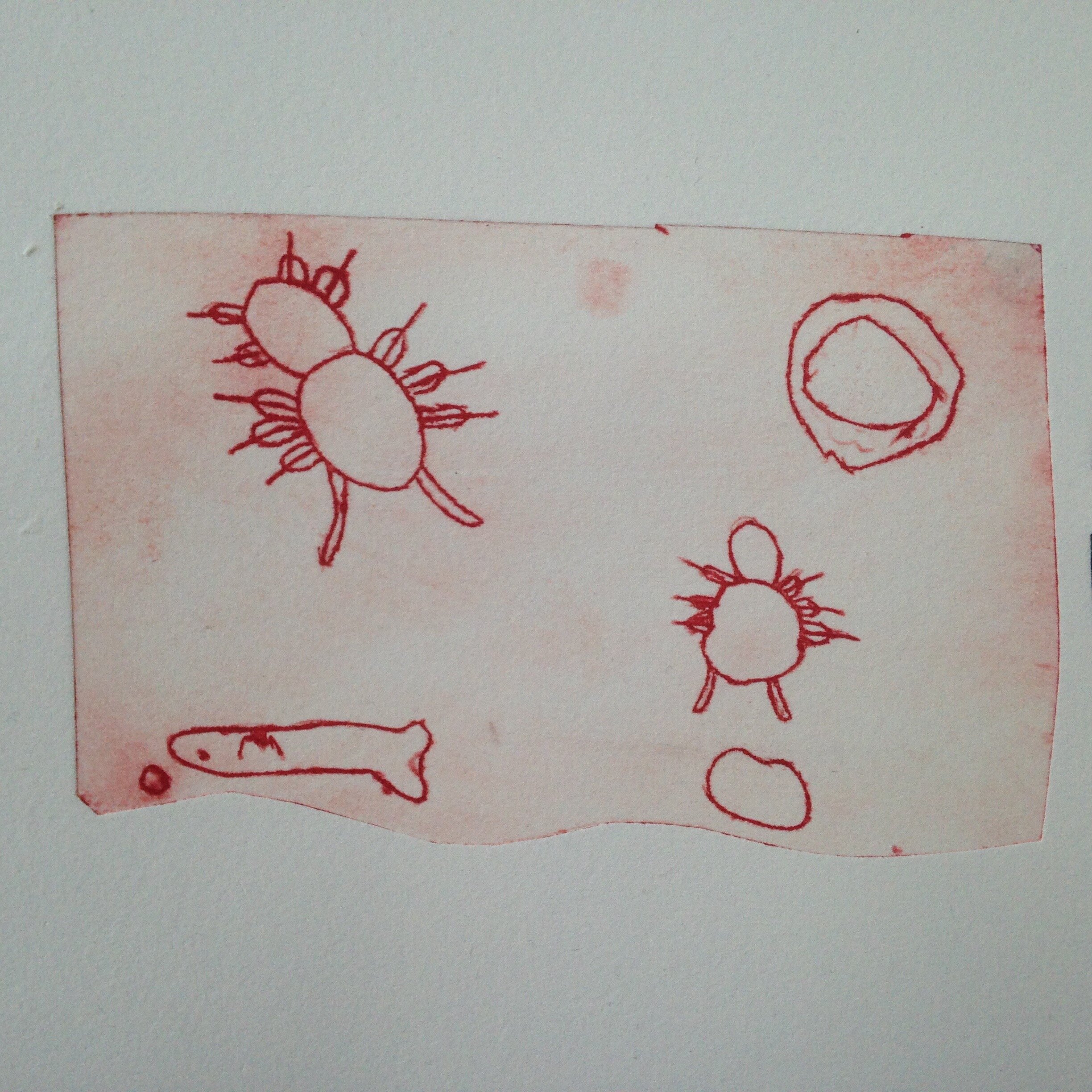
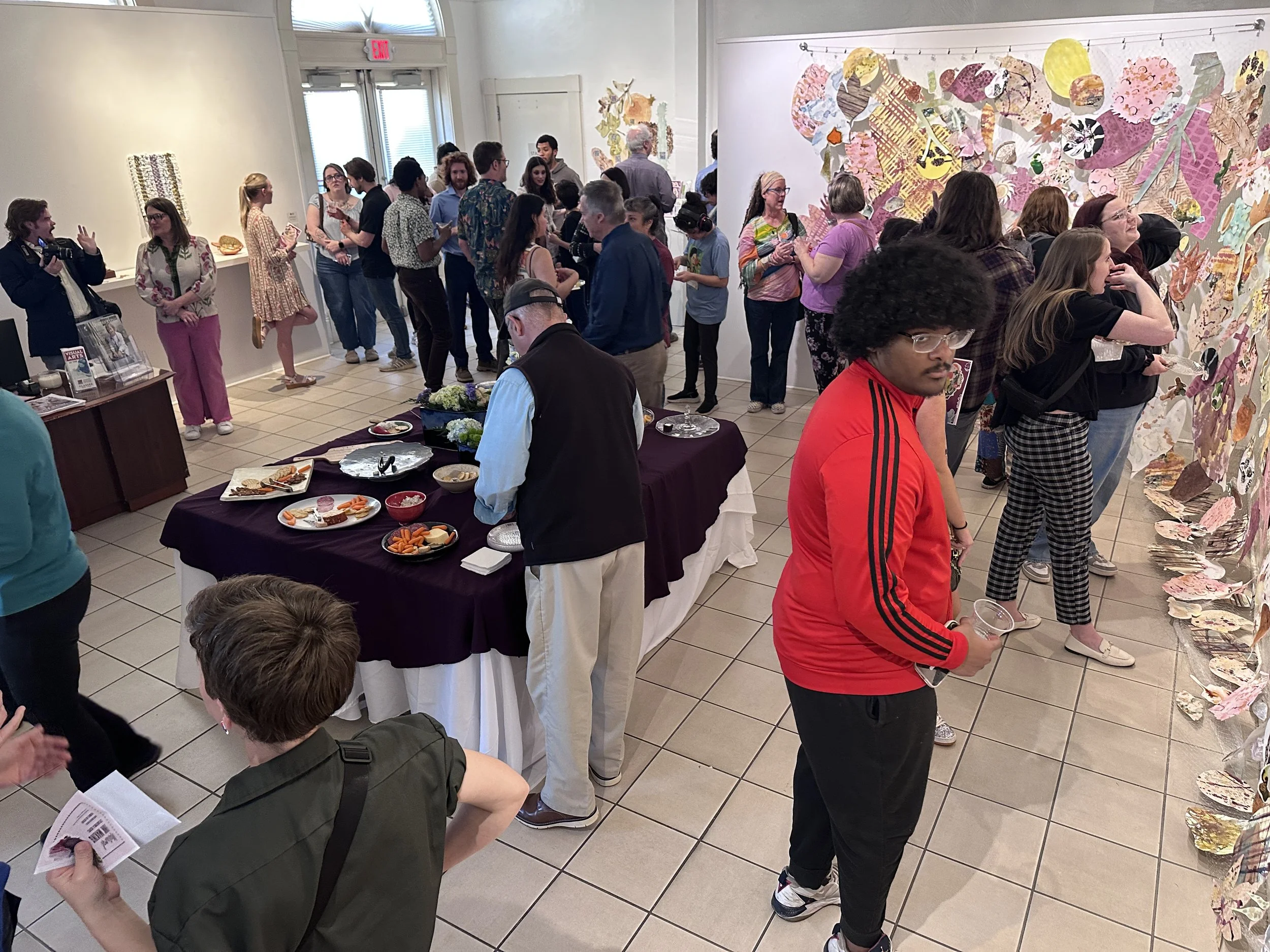
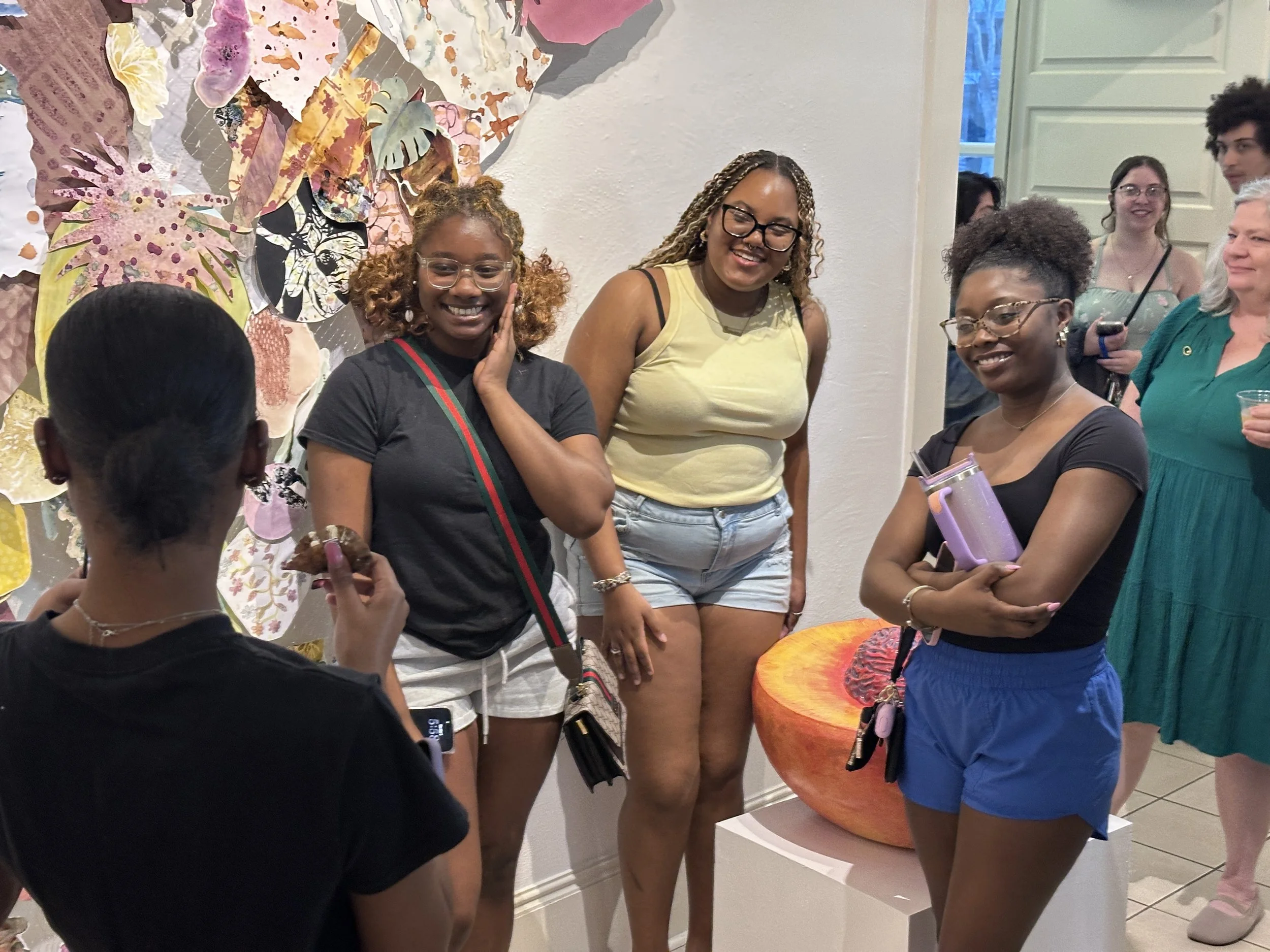
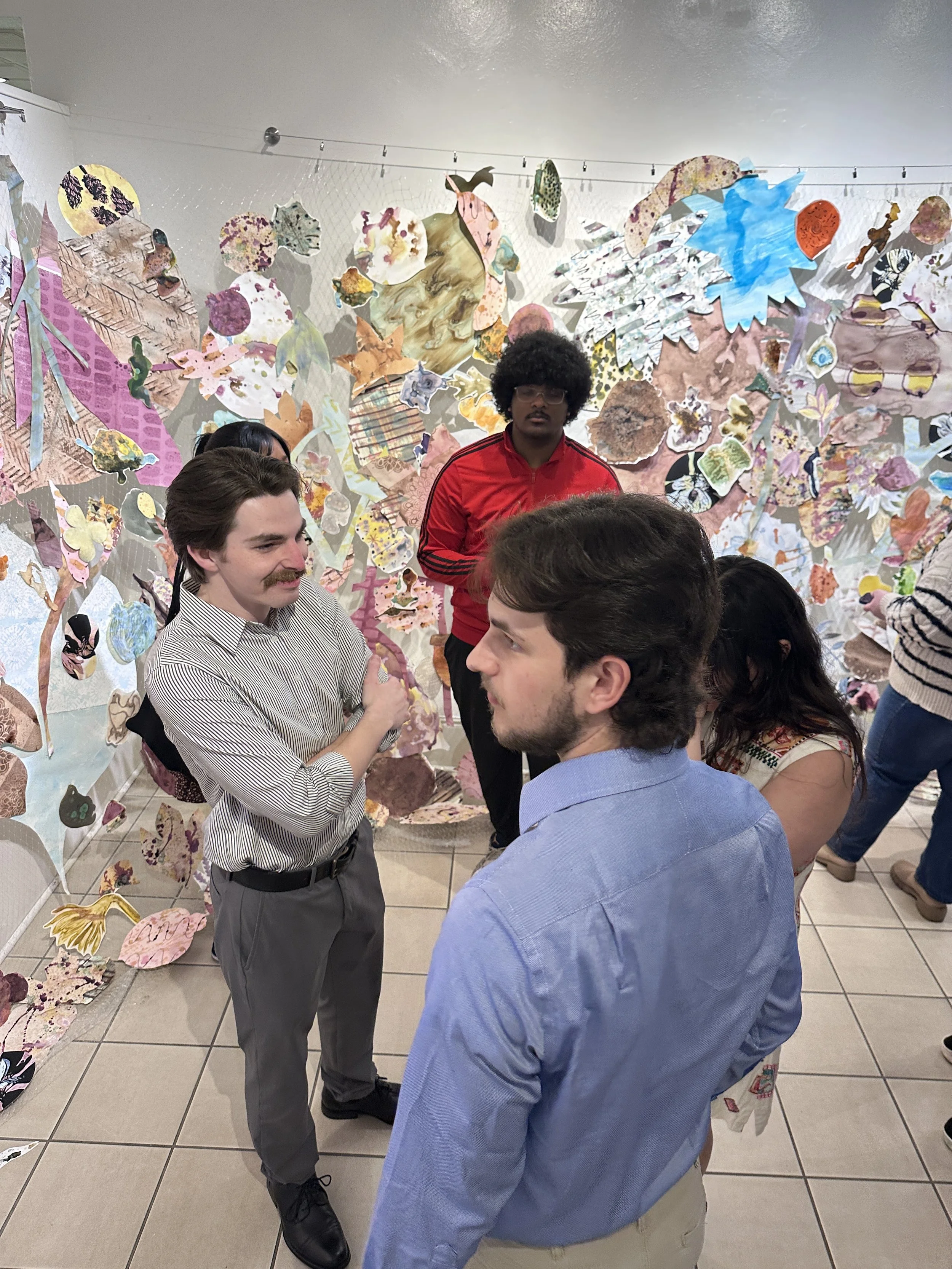
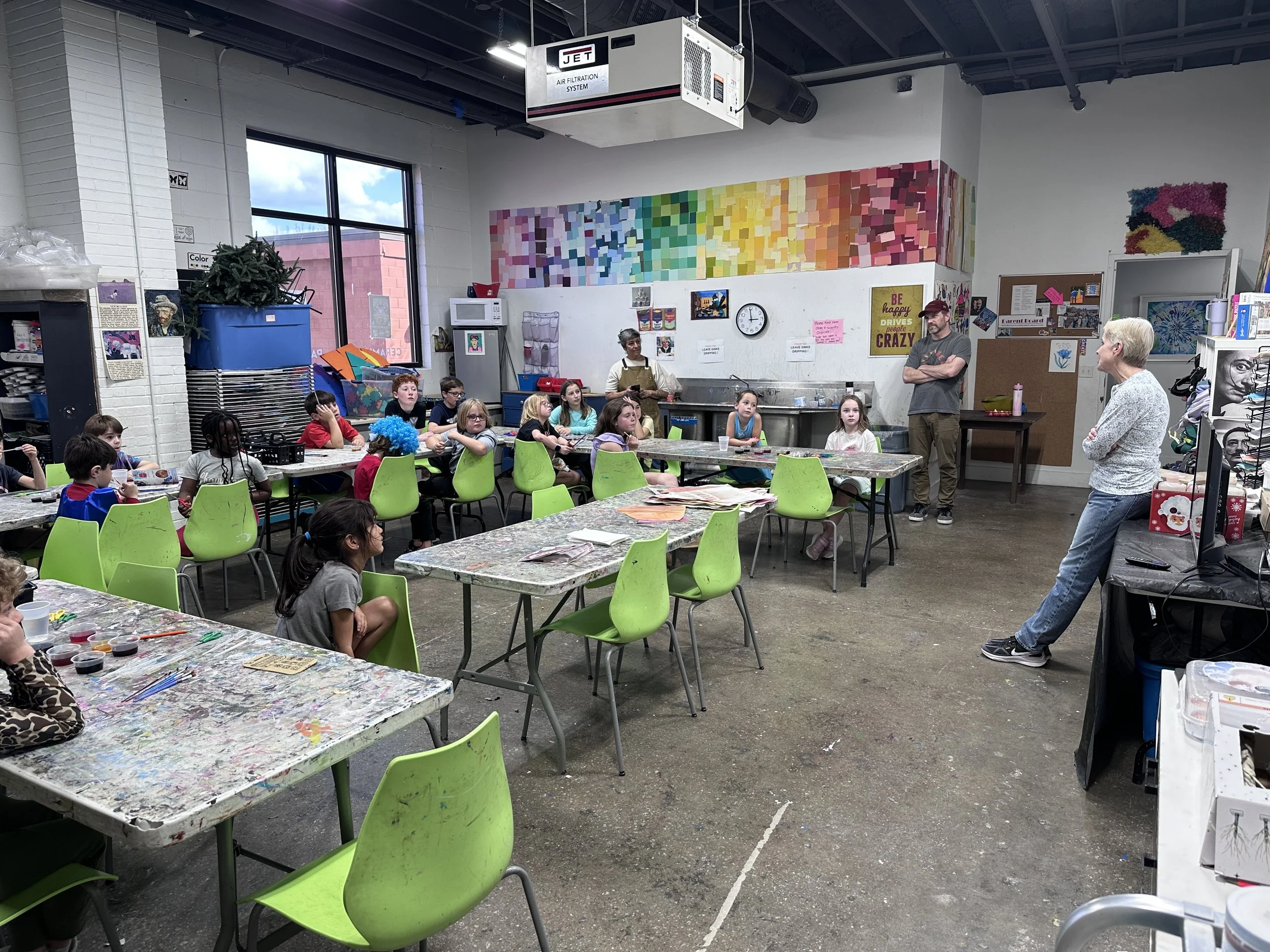
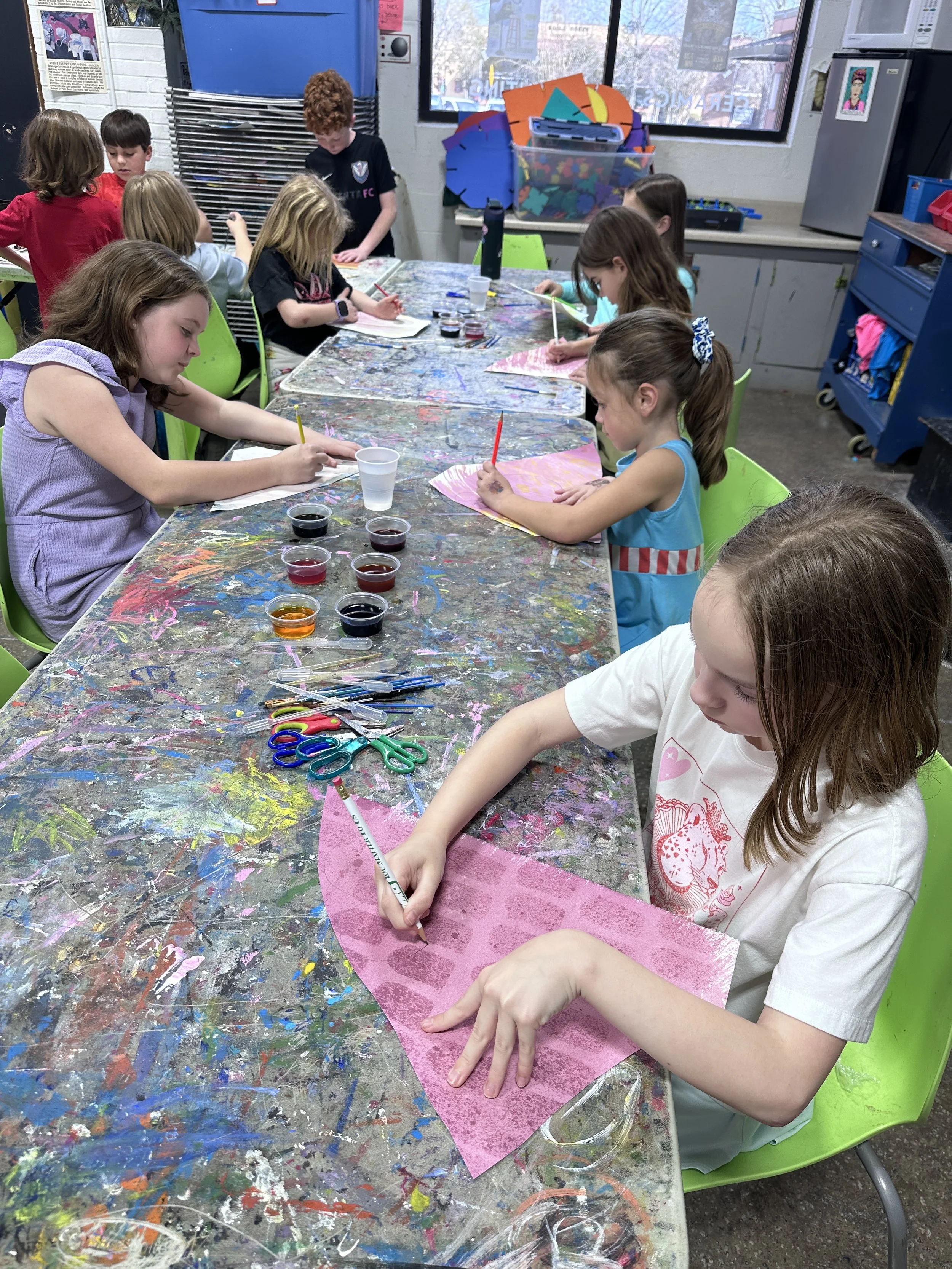
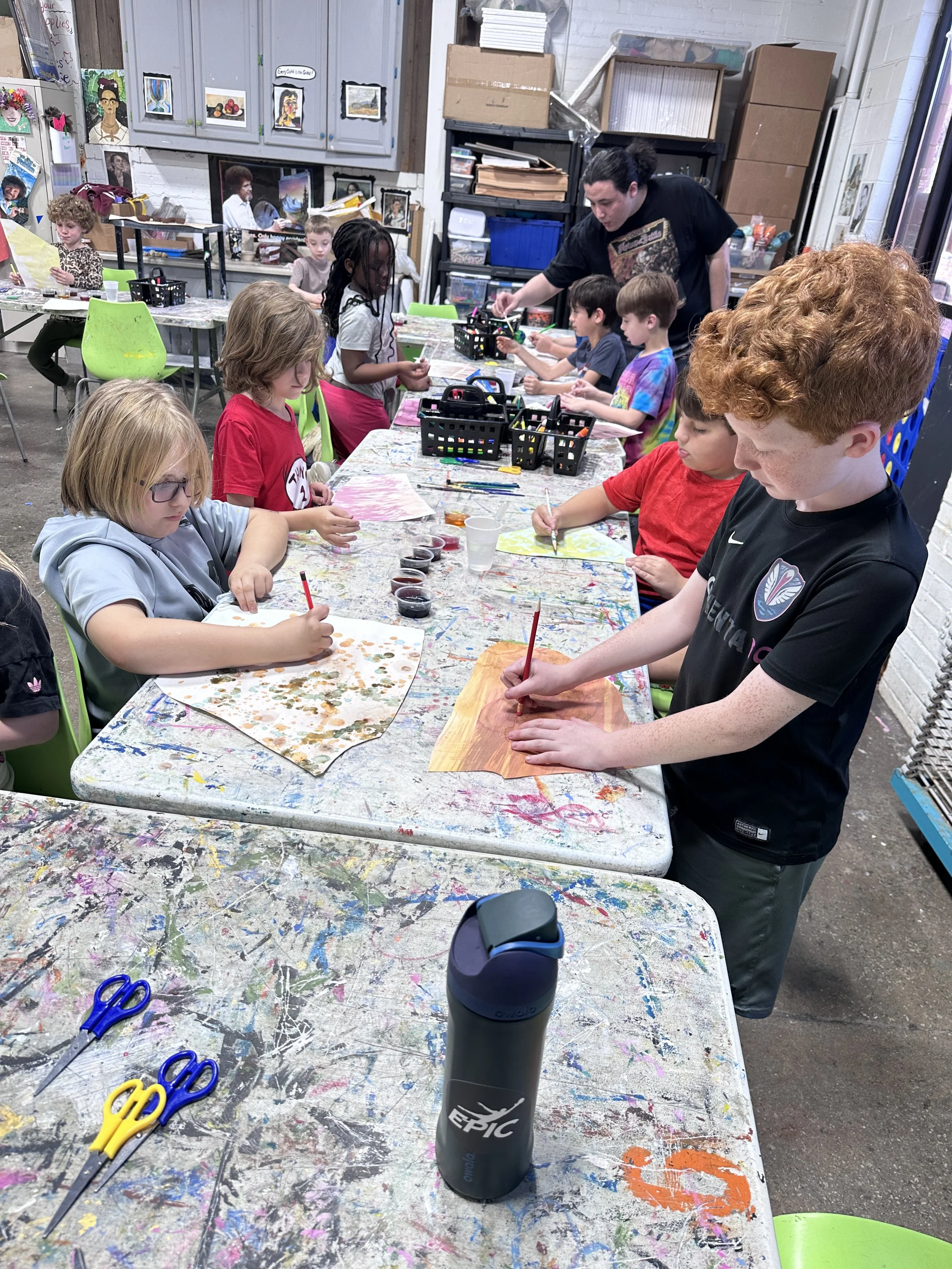
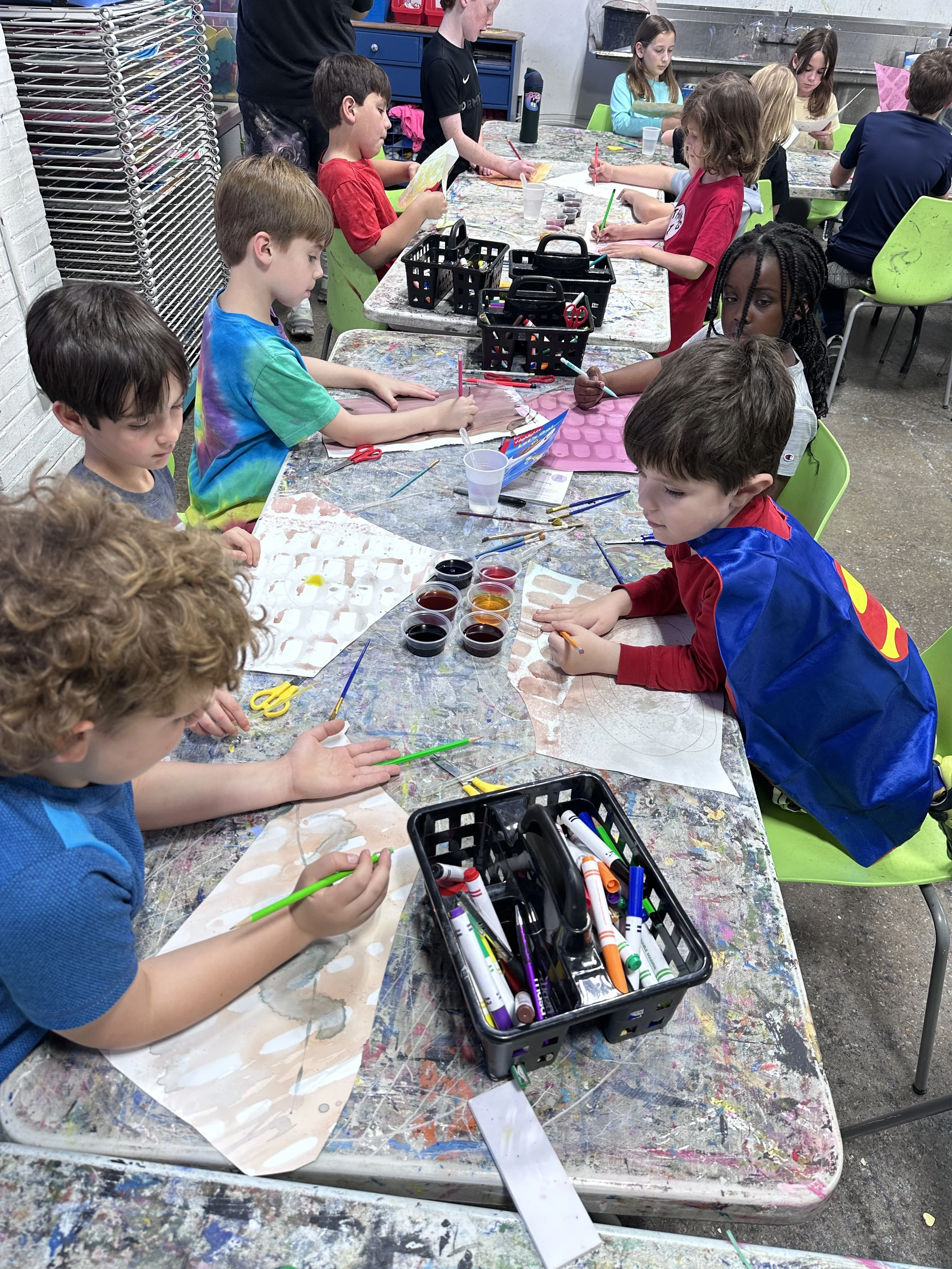
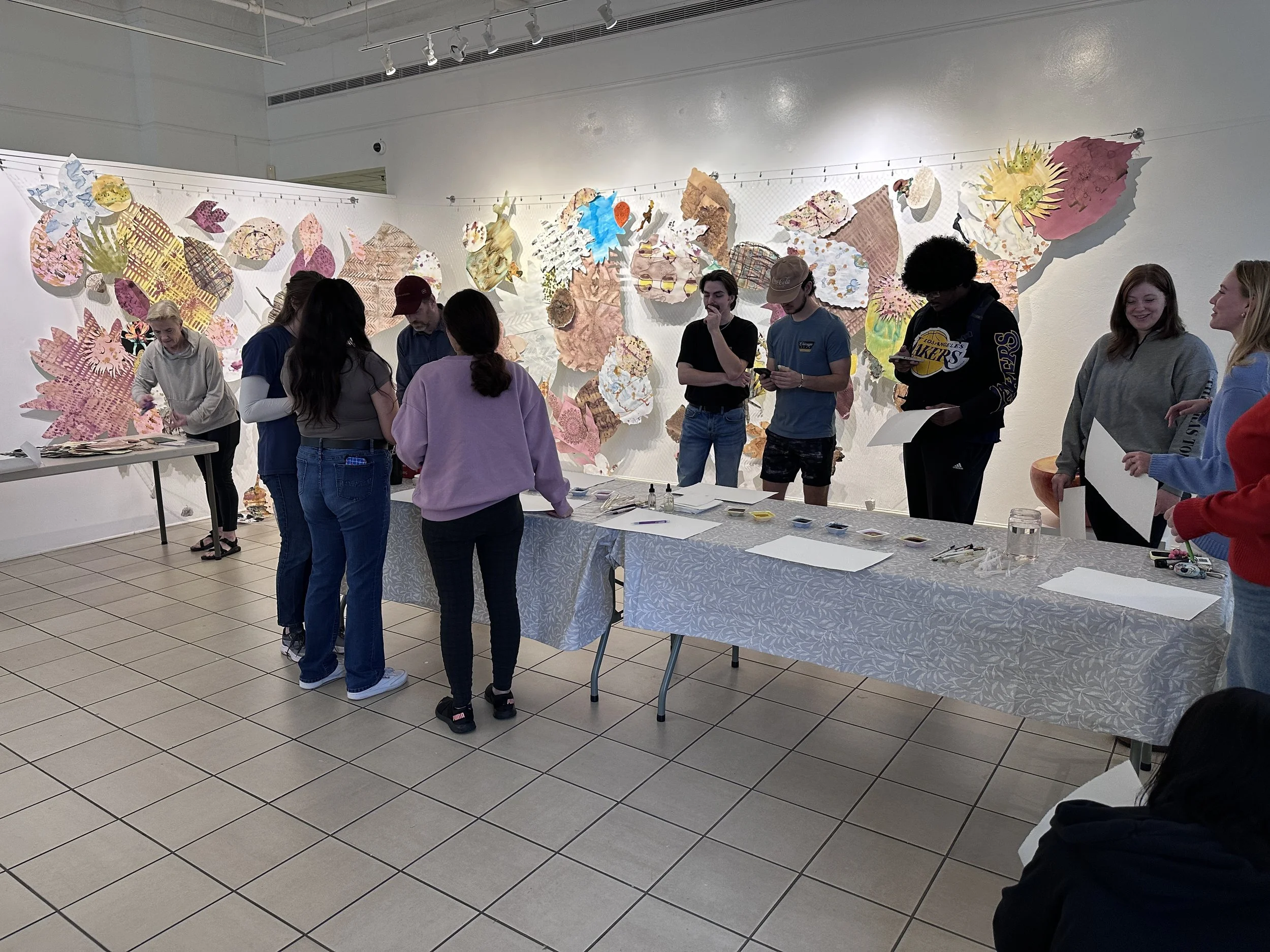
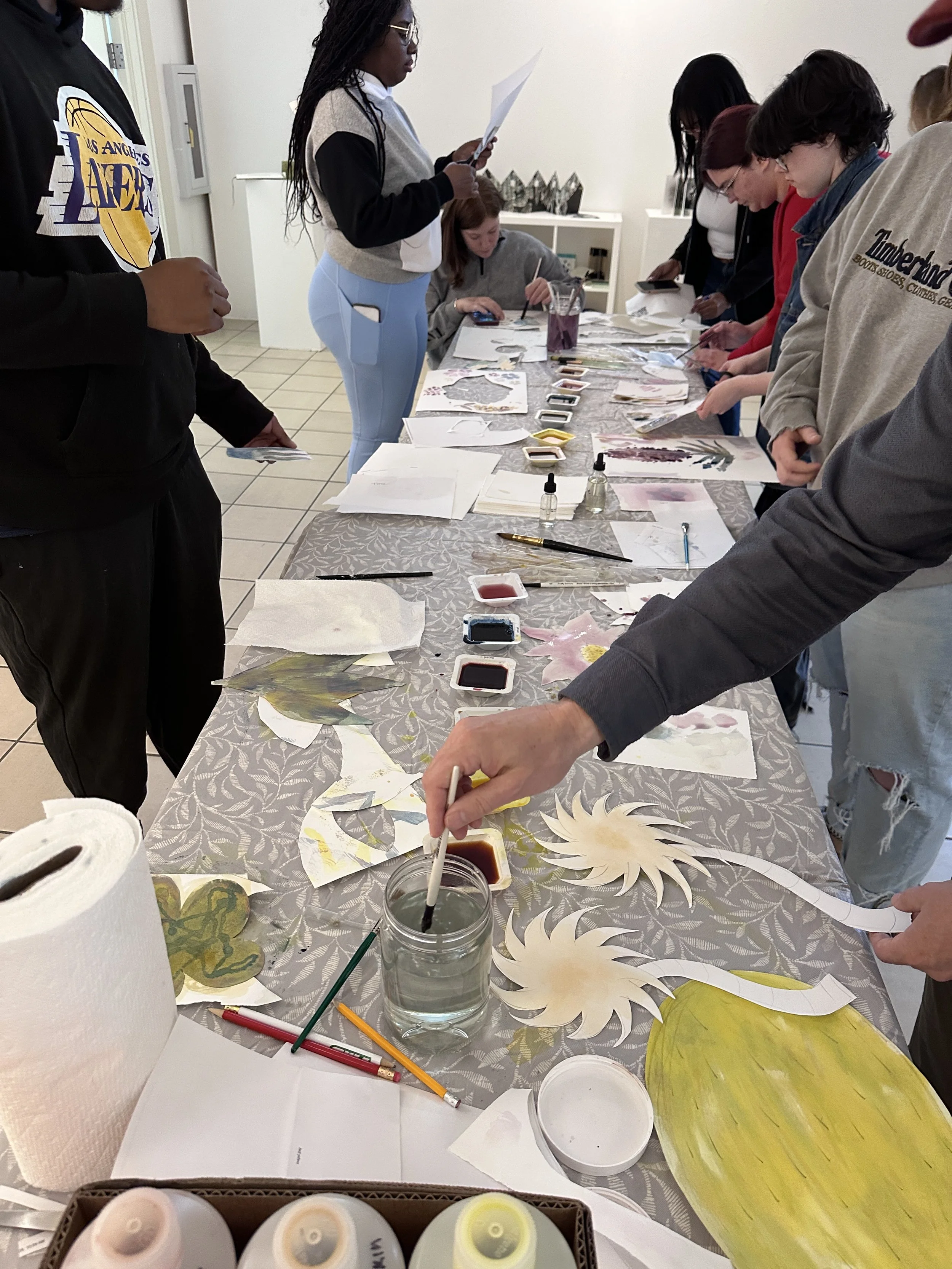
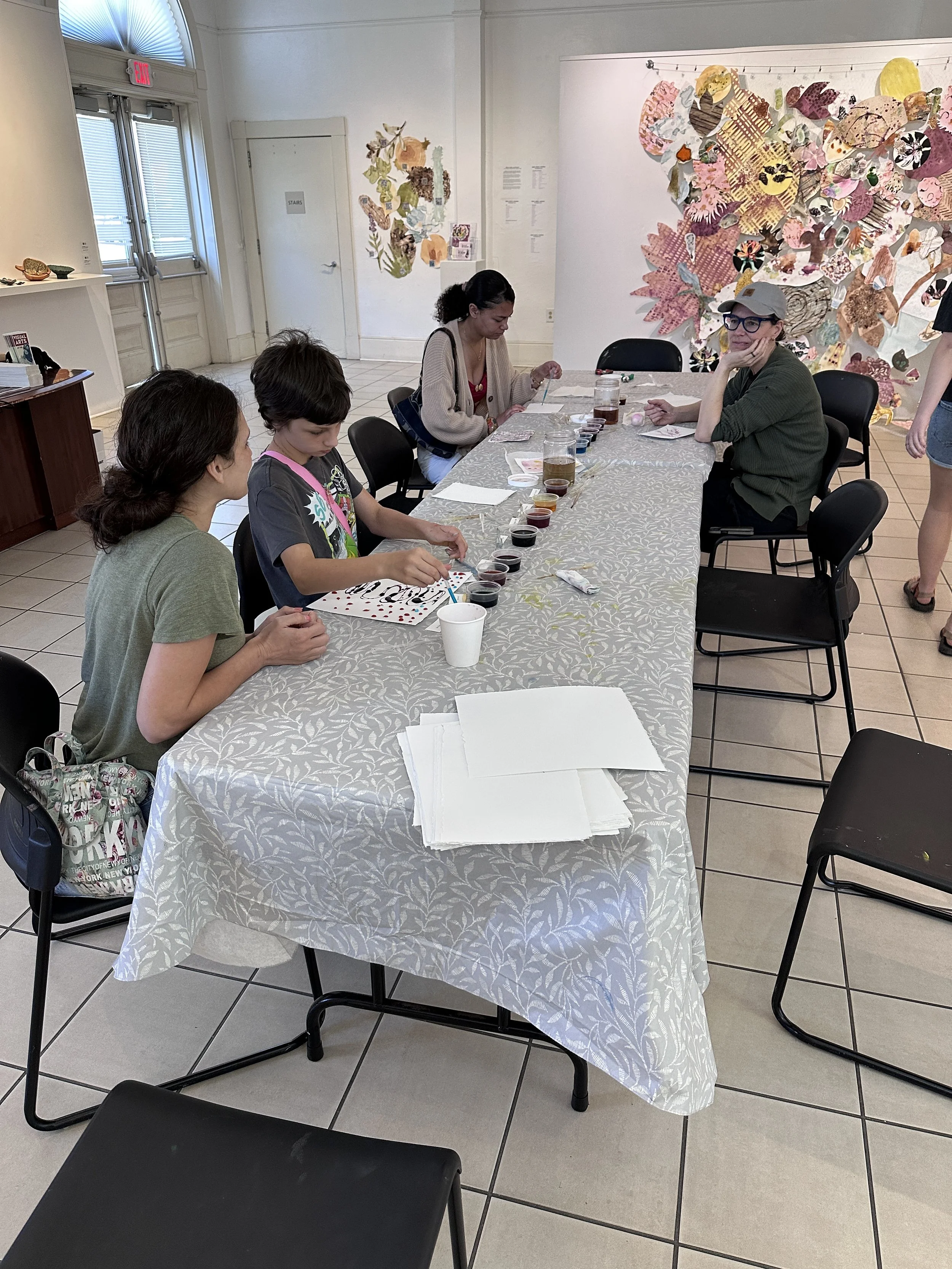
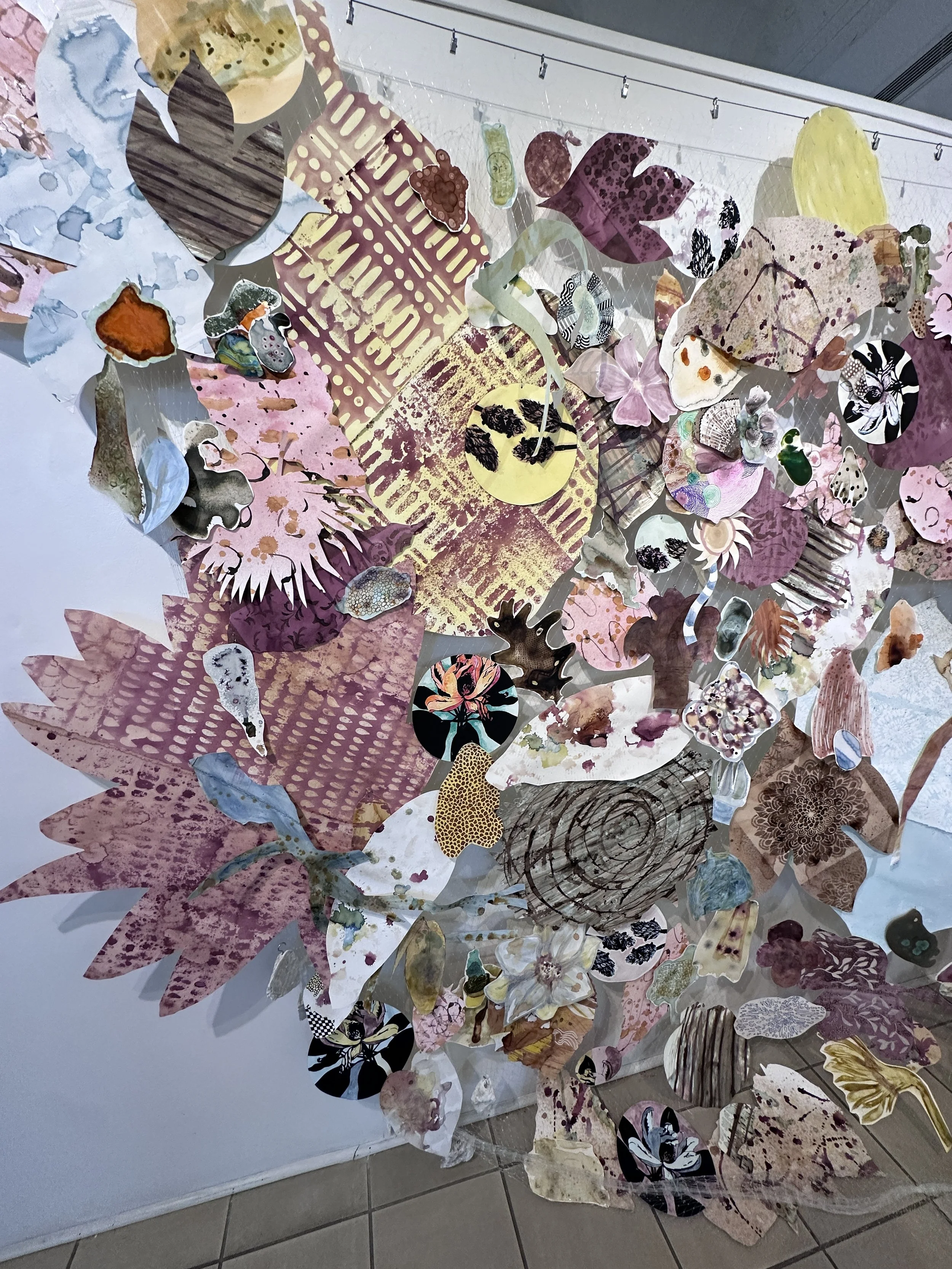
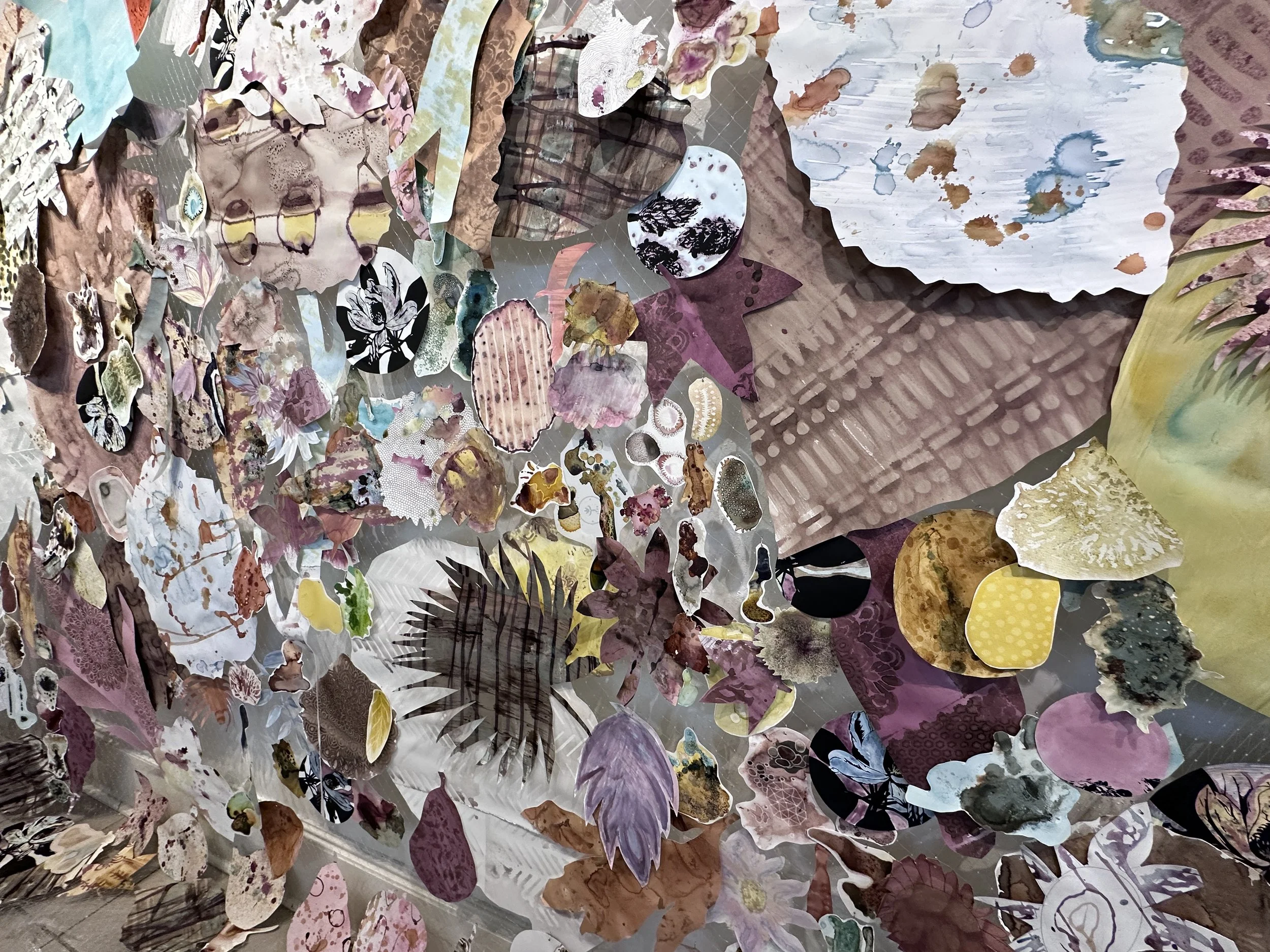
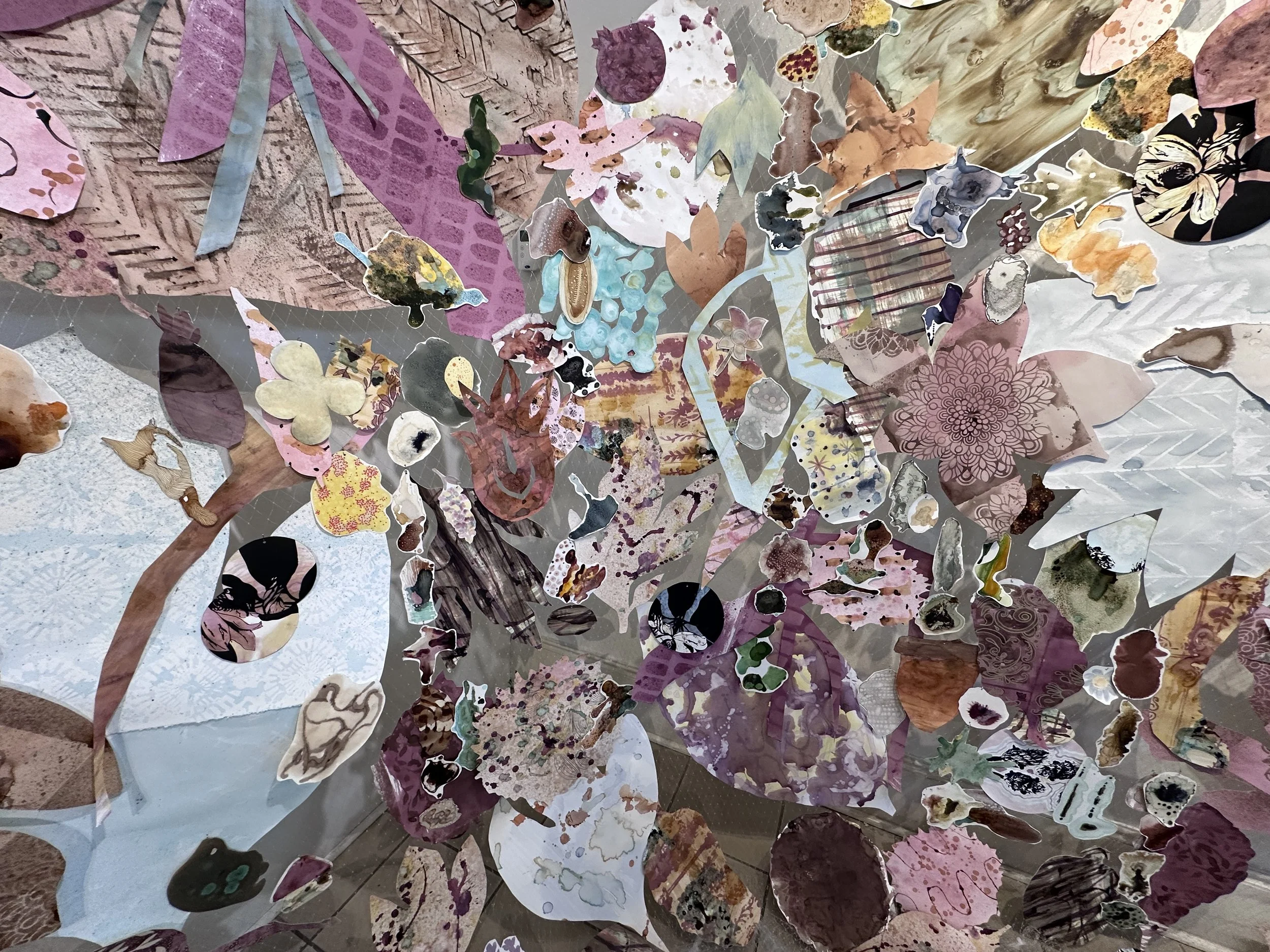
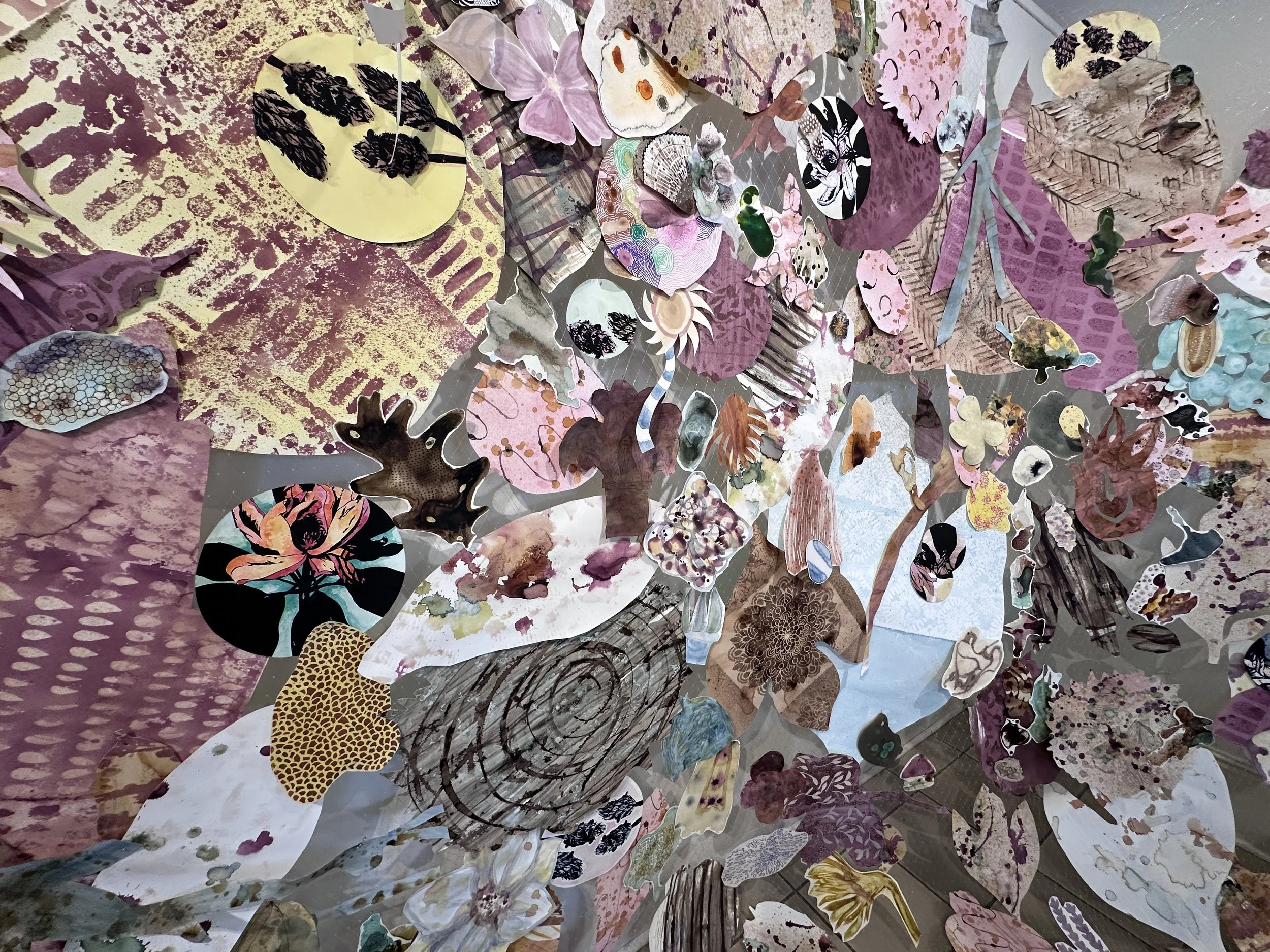
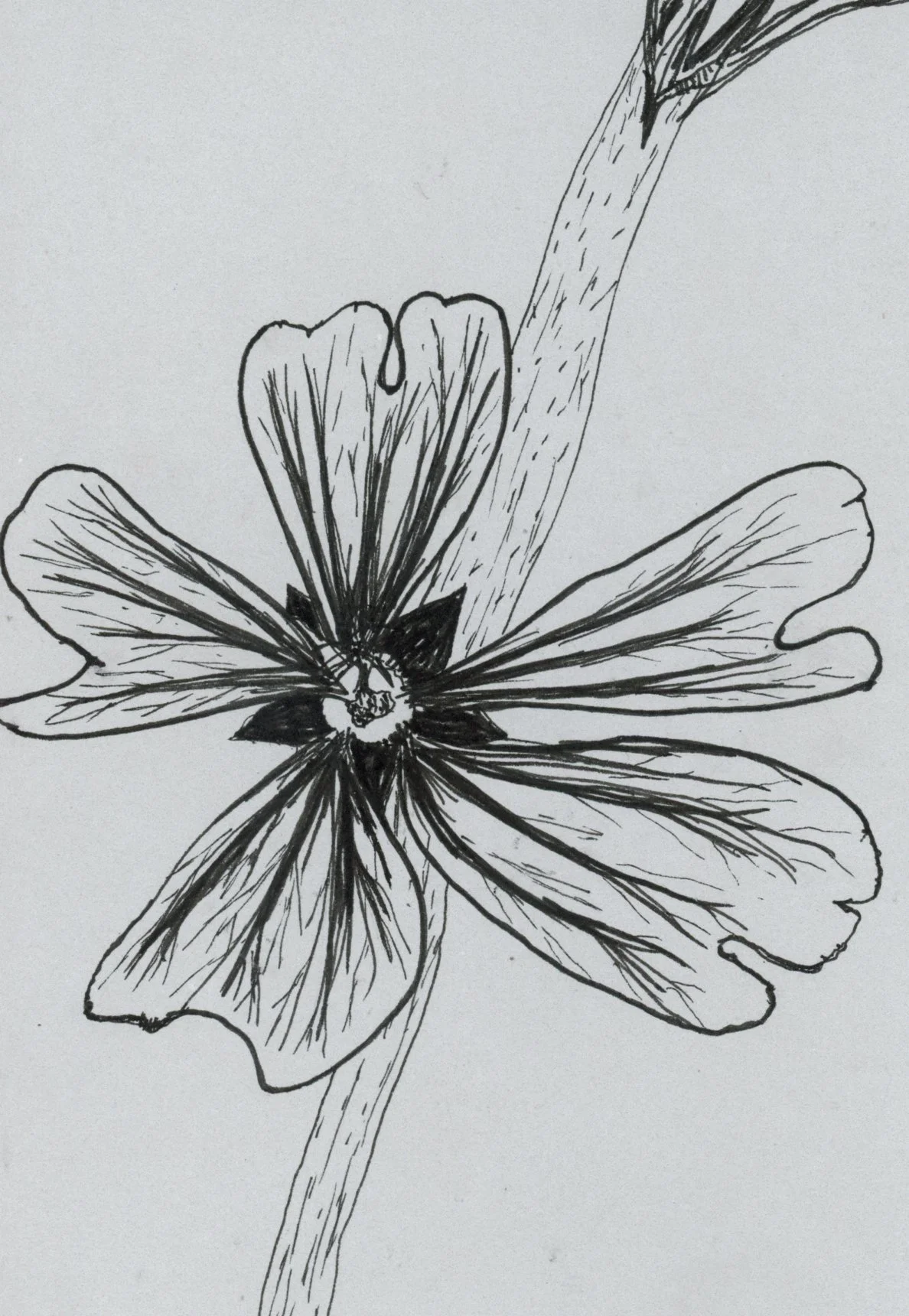
Attempting to capture the magnitude of a constellation, a group of faculty and students from Brigham Young University and the University of Illinois Urbana-Champaign, local artists, and community members from the greater Phoenix/Mesa Area, spent a week making thousands of drawings installed over three Mesa institutions.
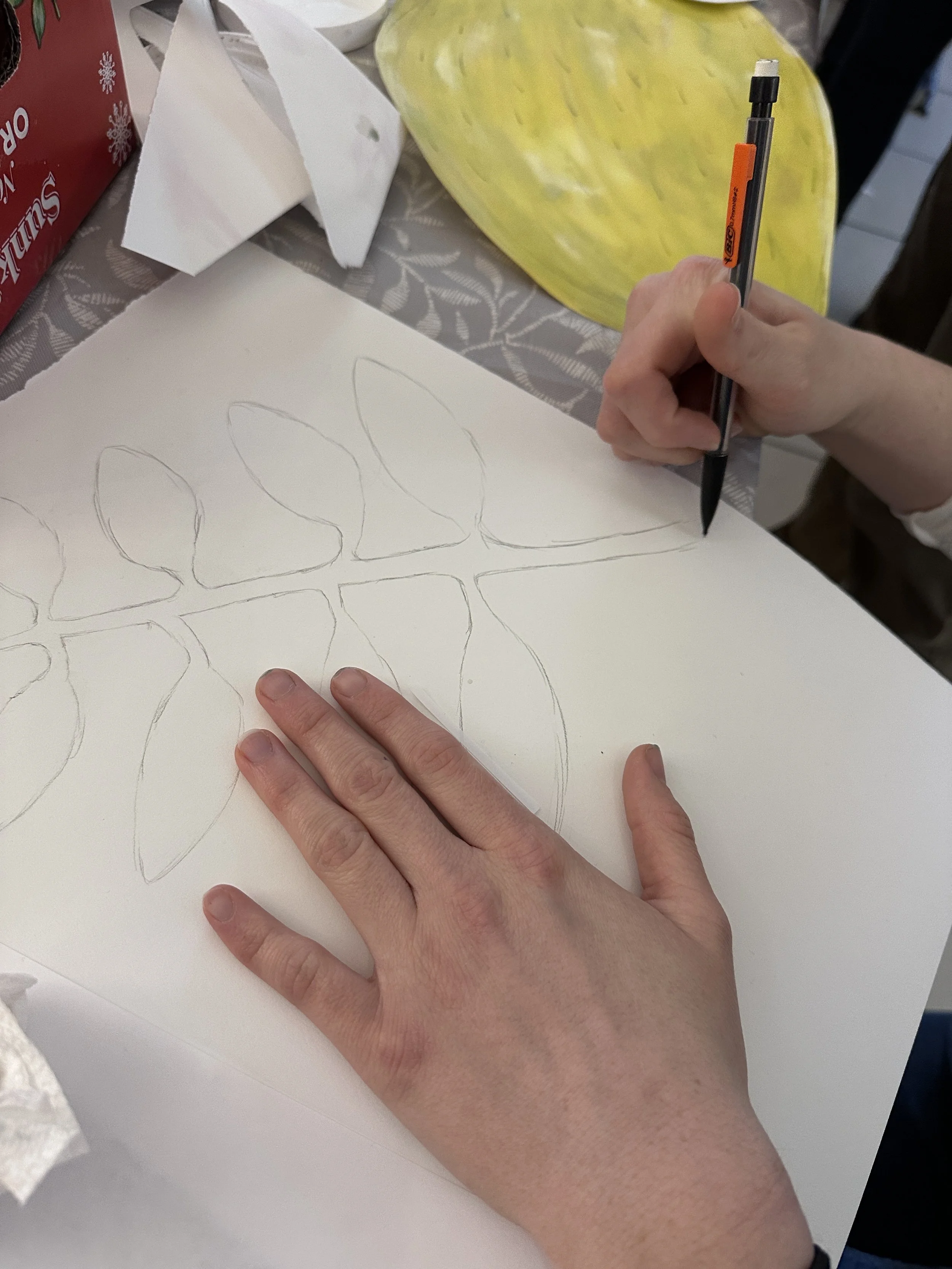
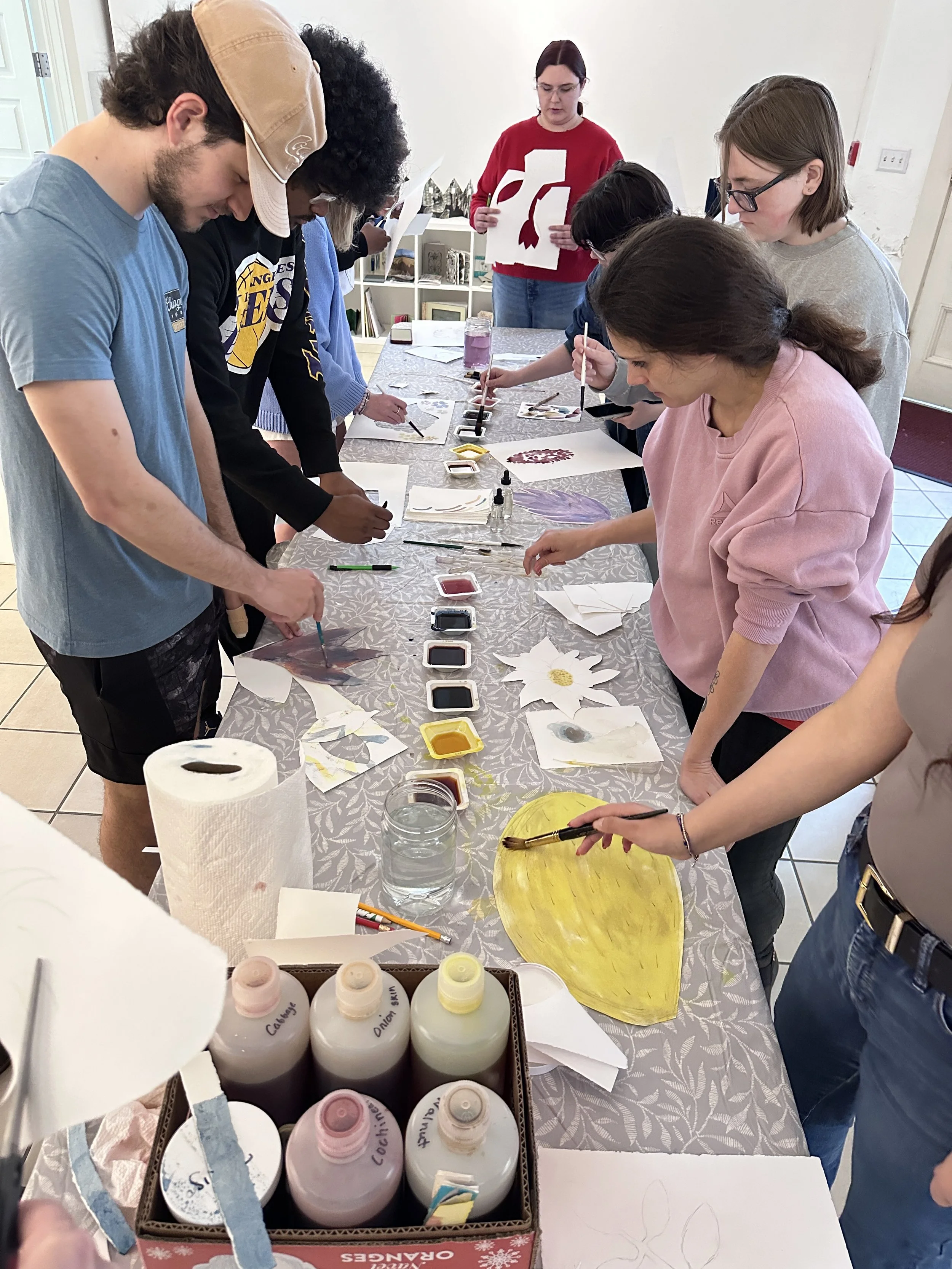
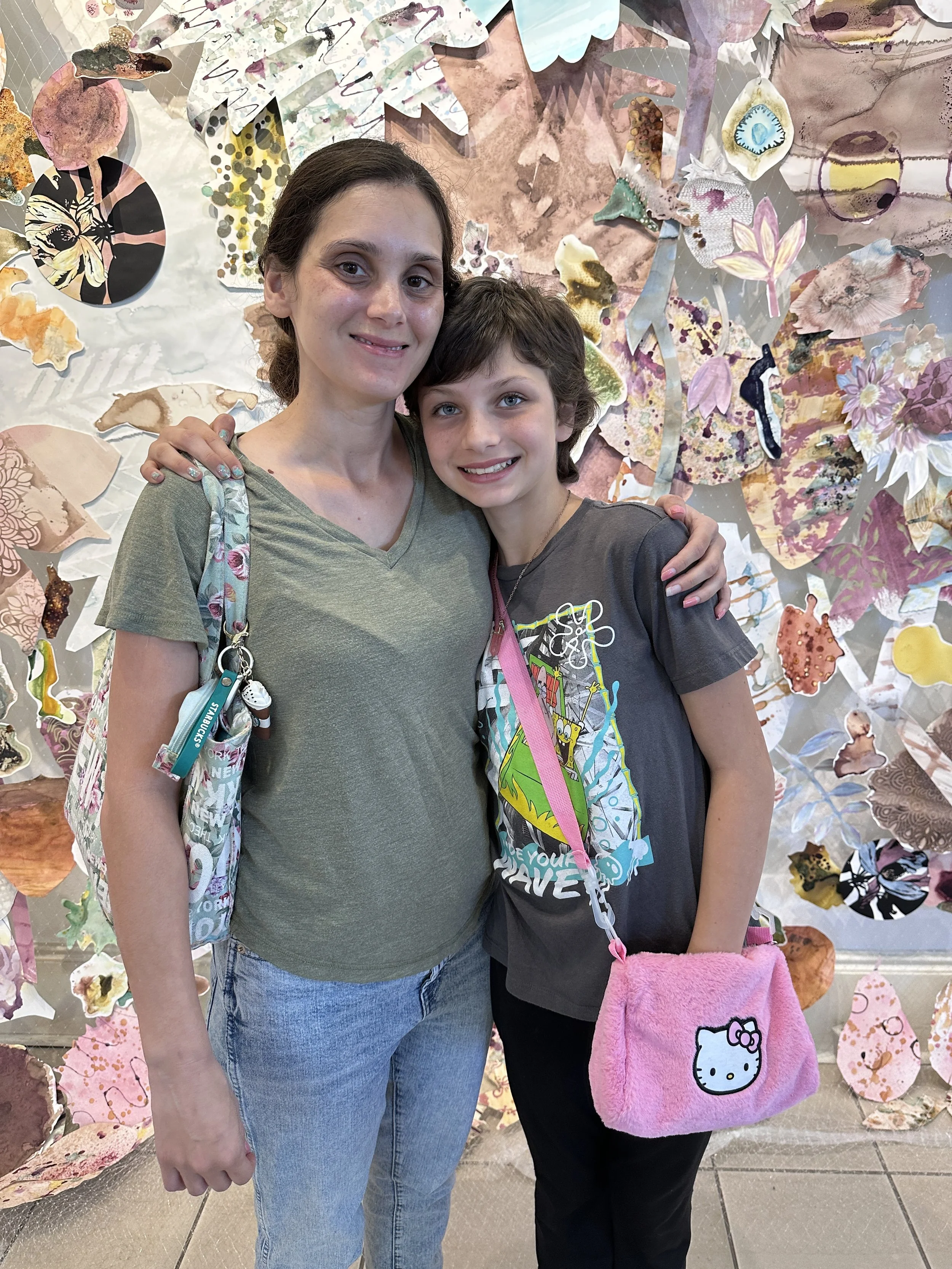
Visitors to all three of these institutions were invited to draw together to be drawn together—using handmade inks from organic materials on shaped pieces of paper. Over 1500 members of the local community participated.
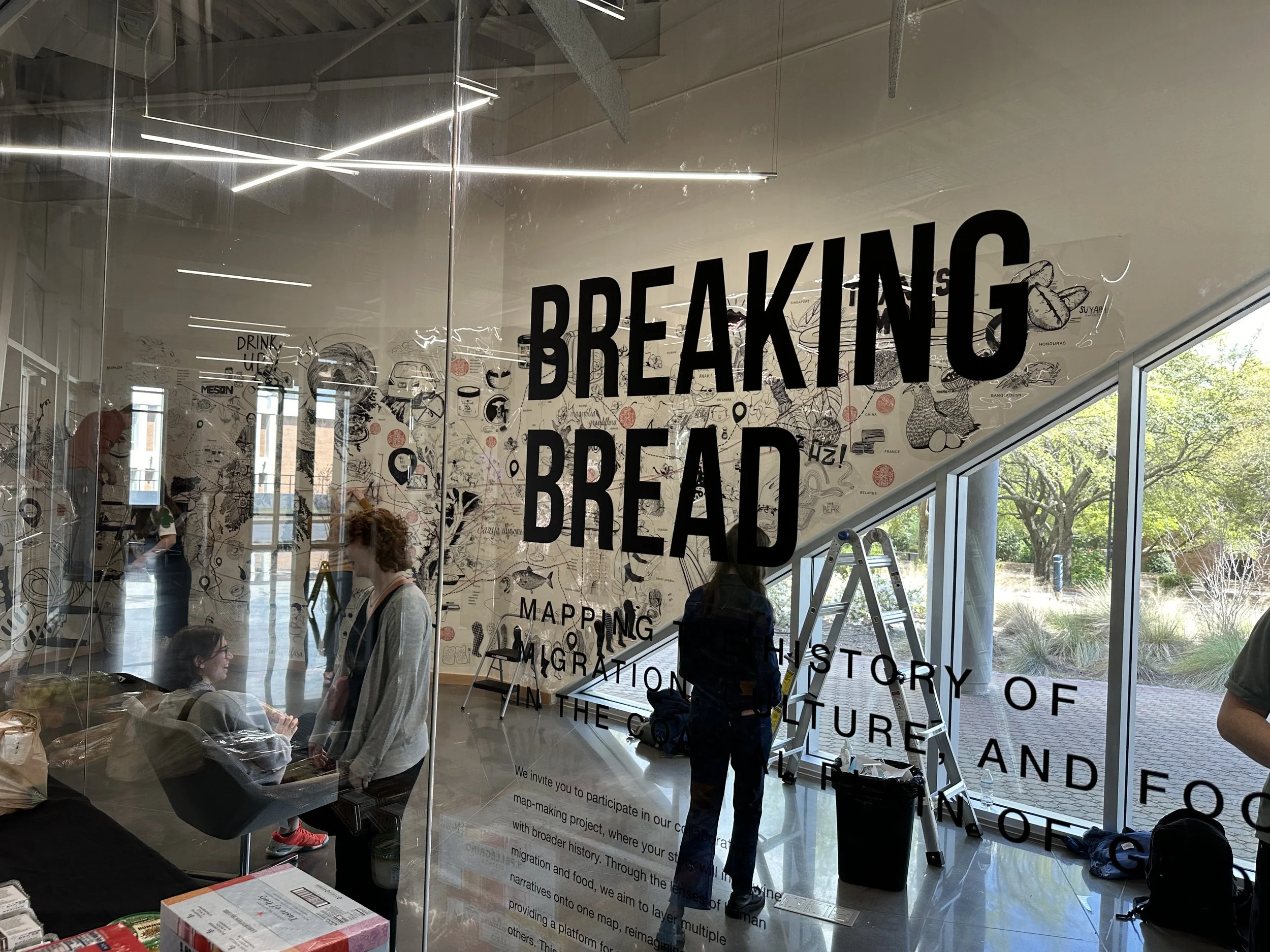
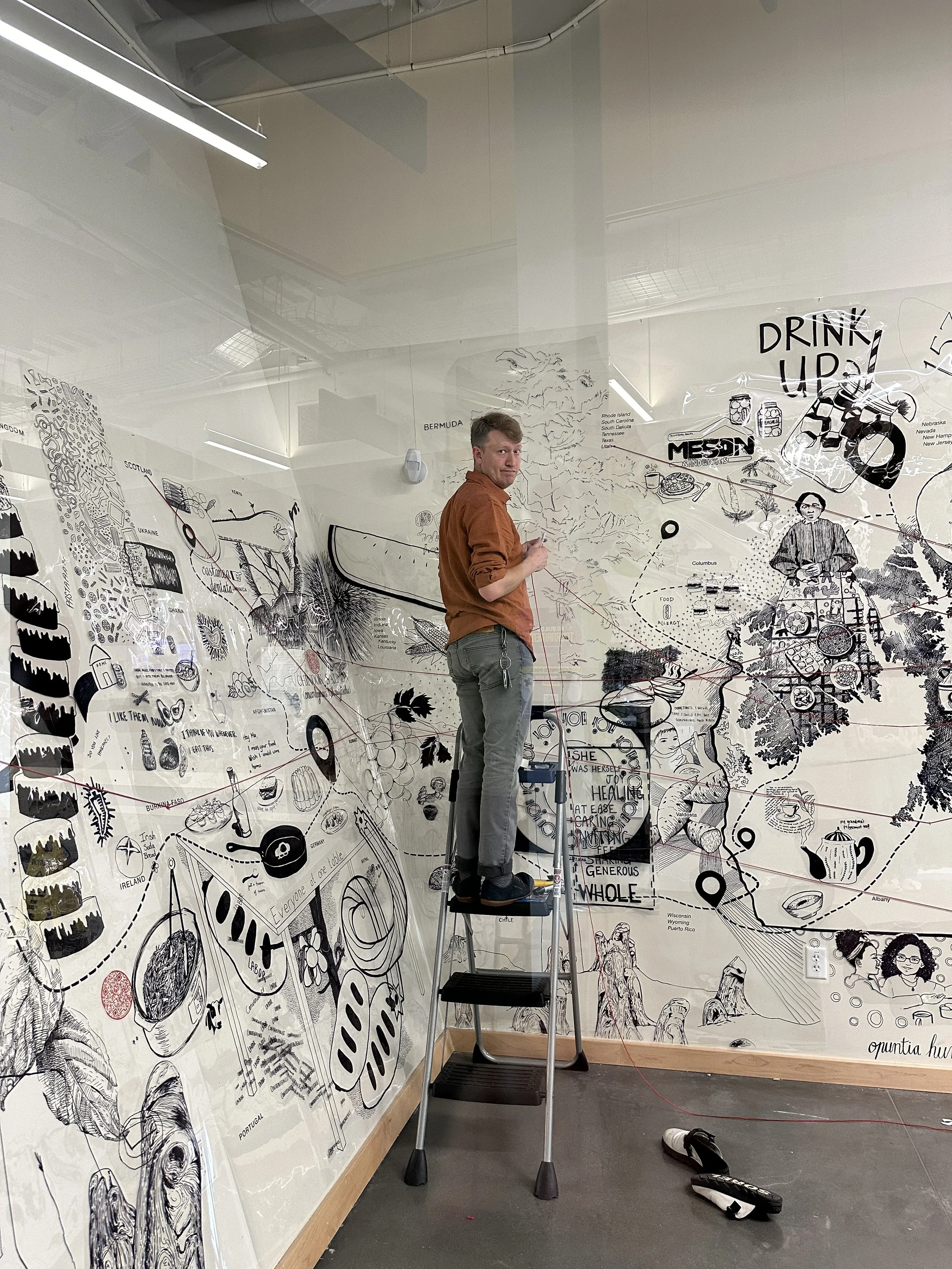
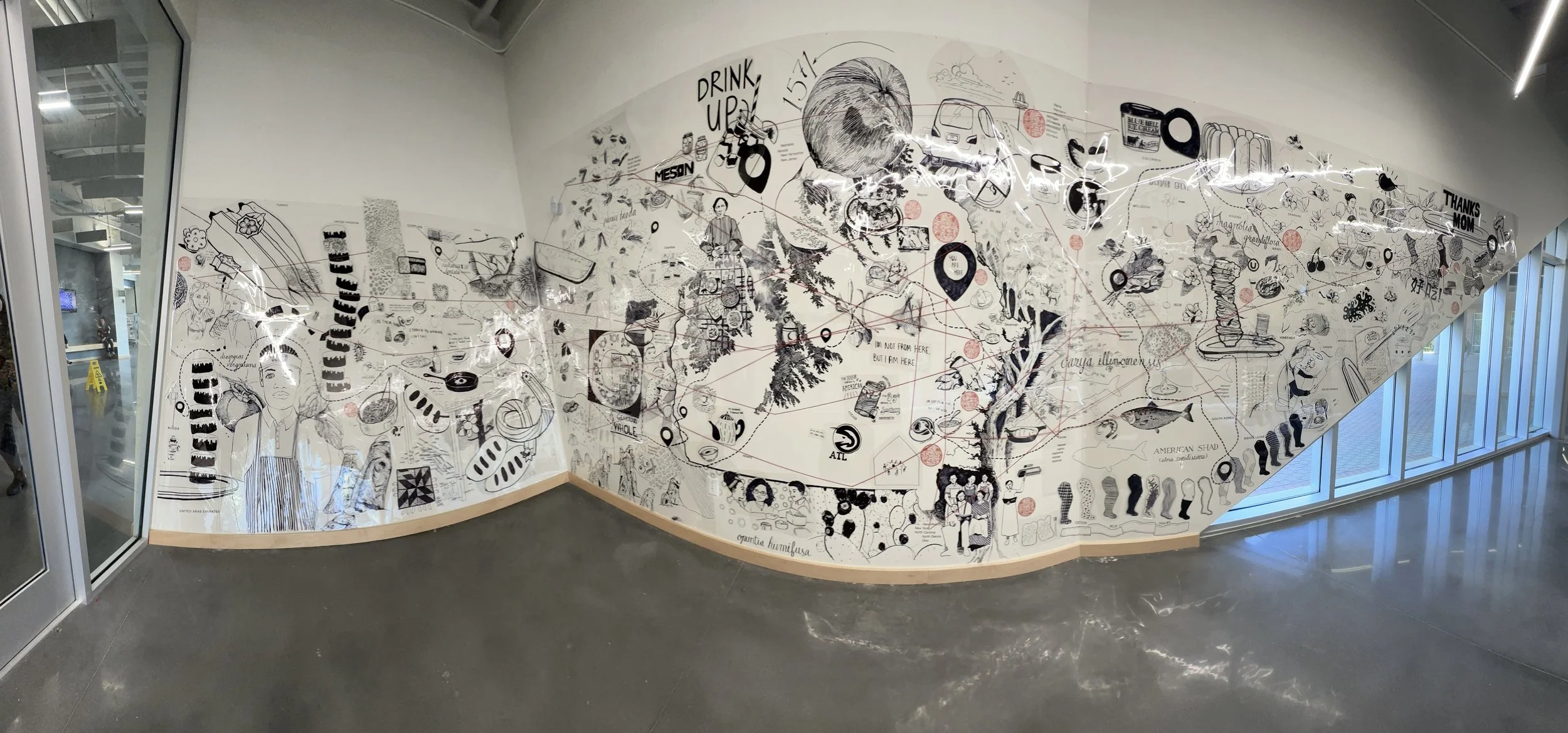
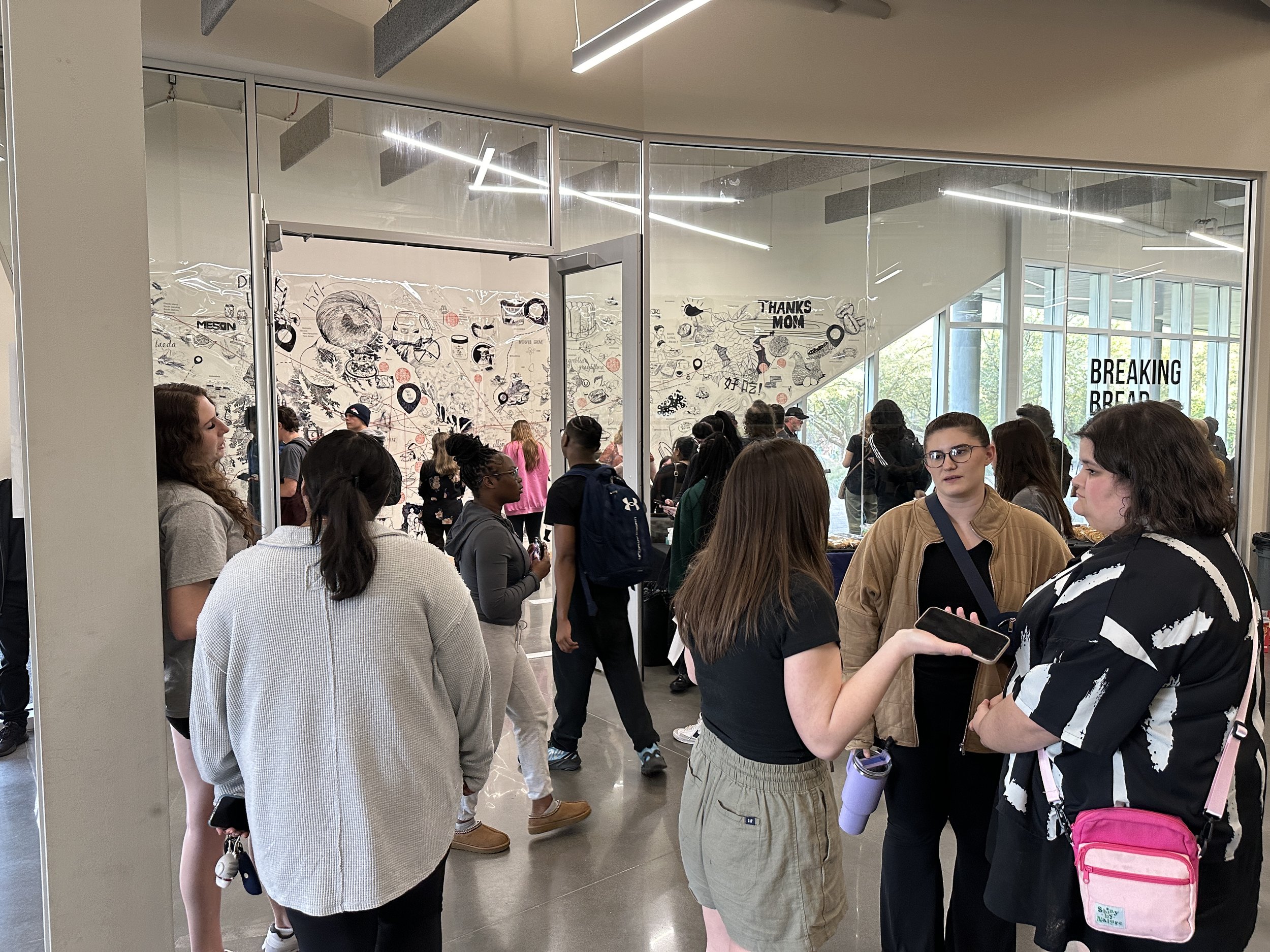
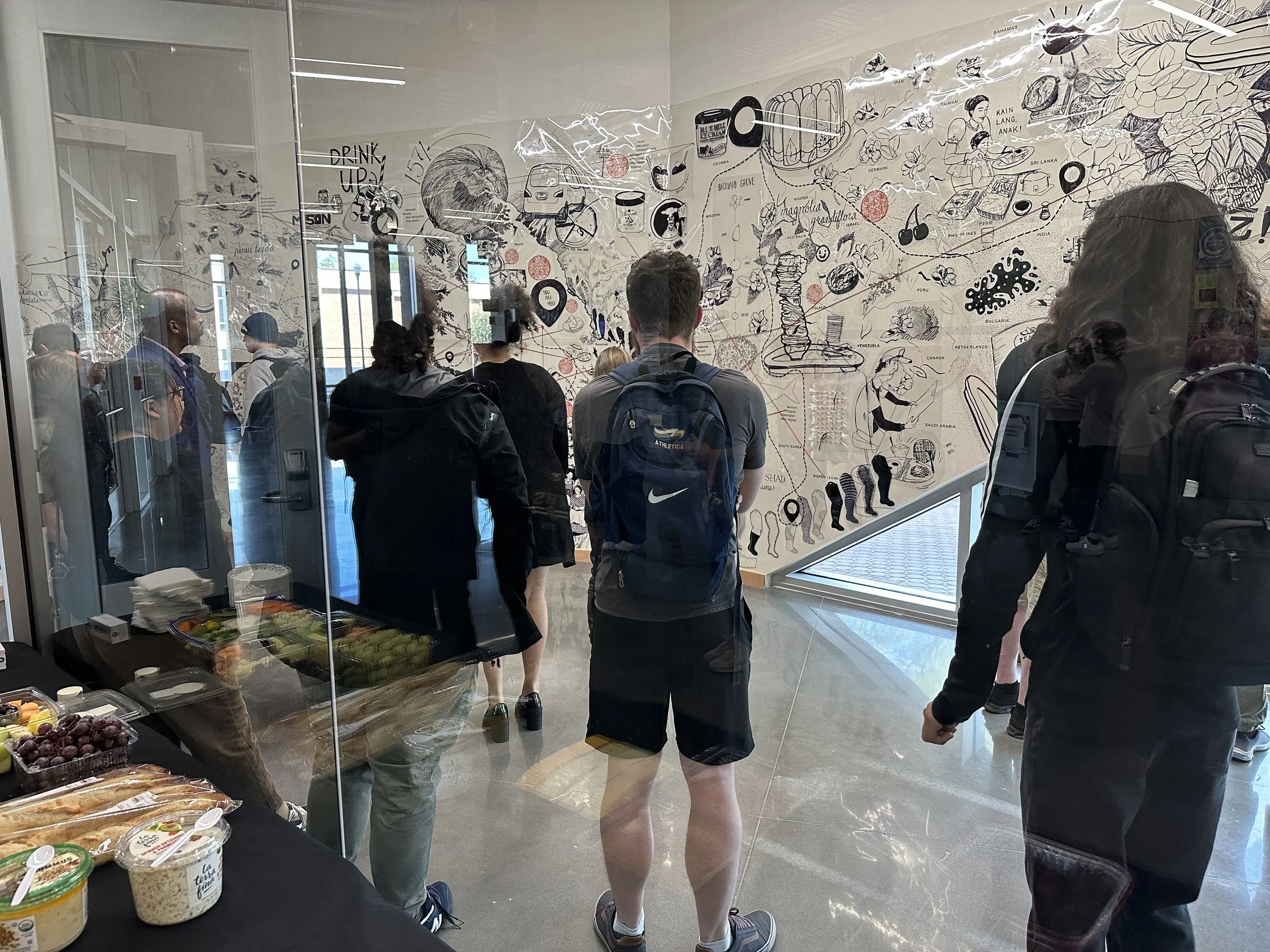
Mapping the History of Migration, Culture, and Food in the Coastal Plain of Georgia
Interdisciplinary Academic Building Gallery, Georgia Southern University
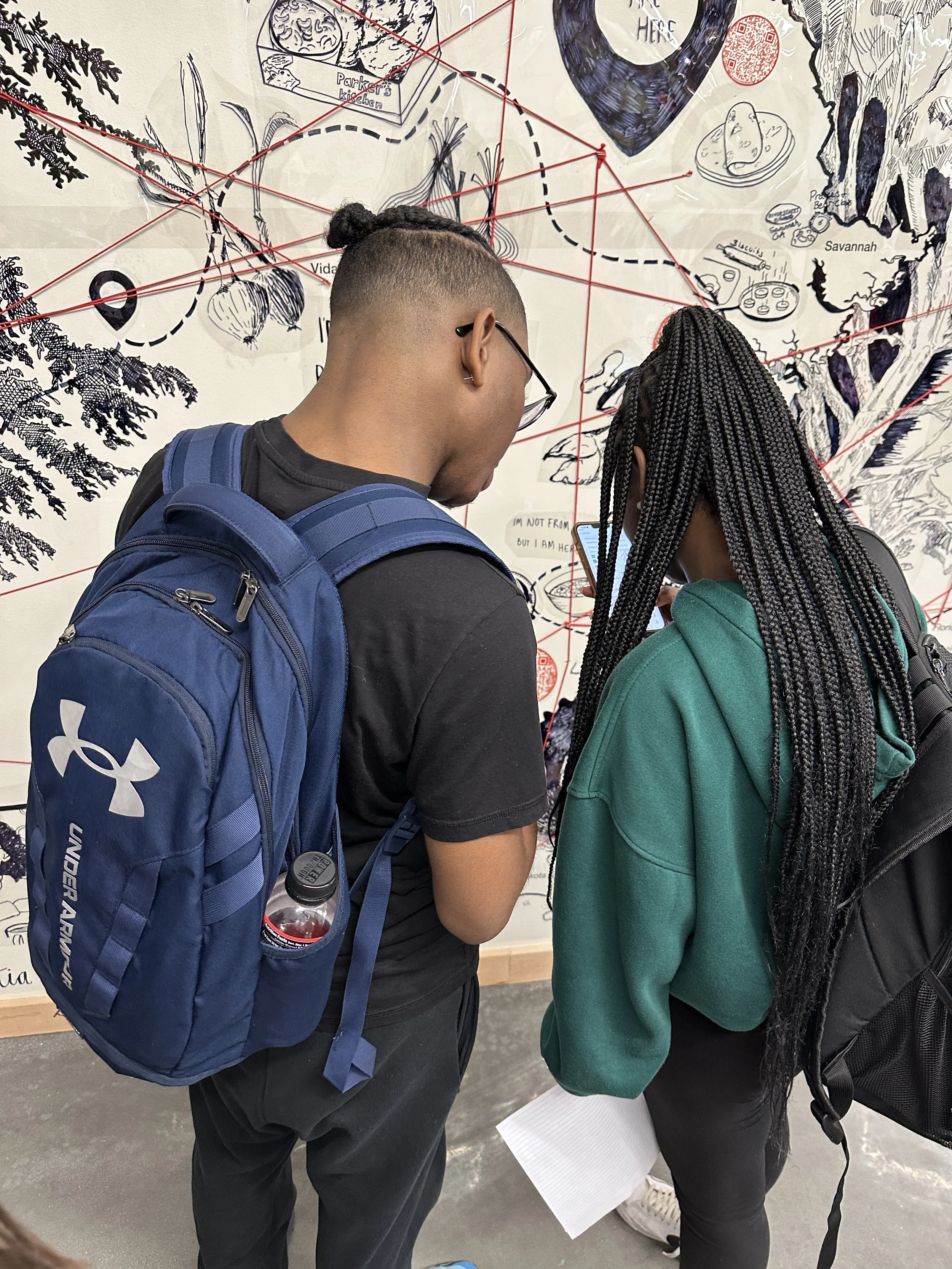
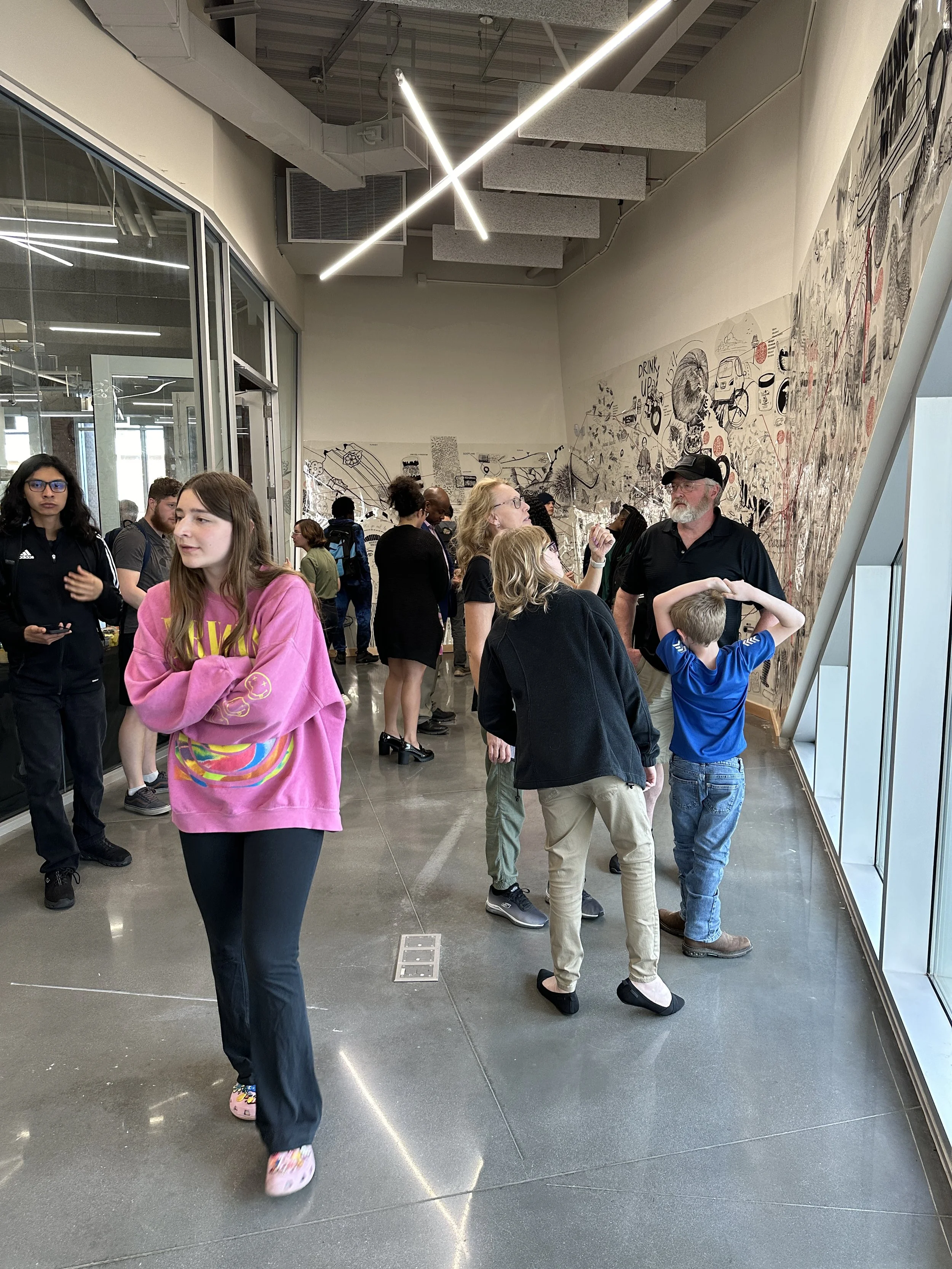
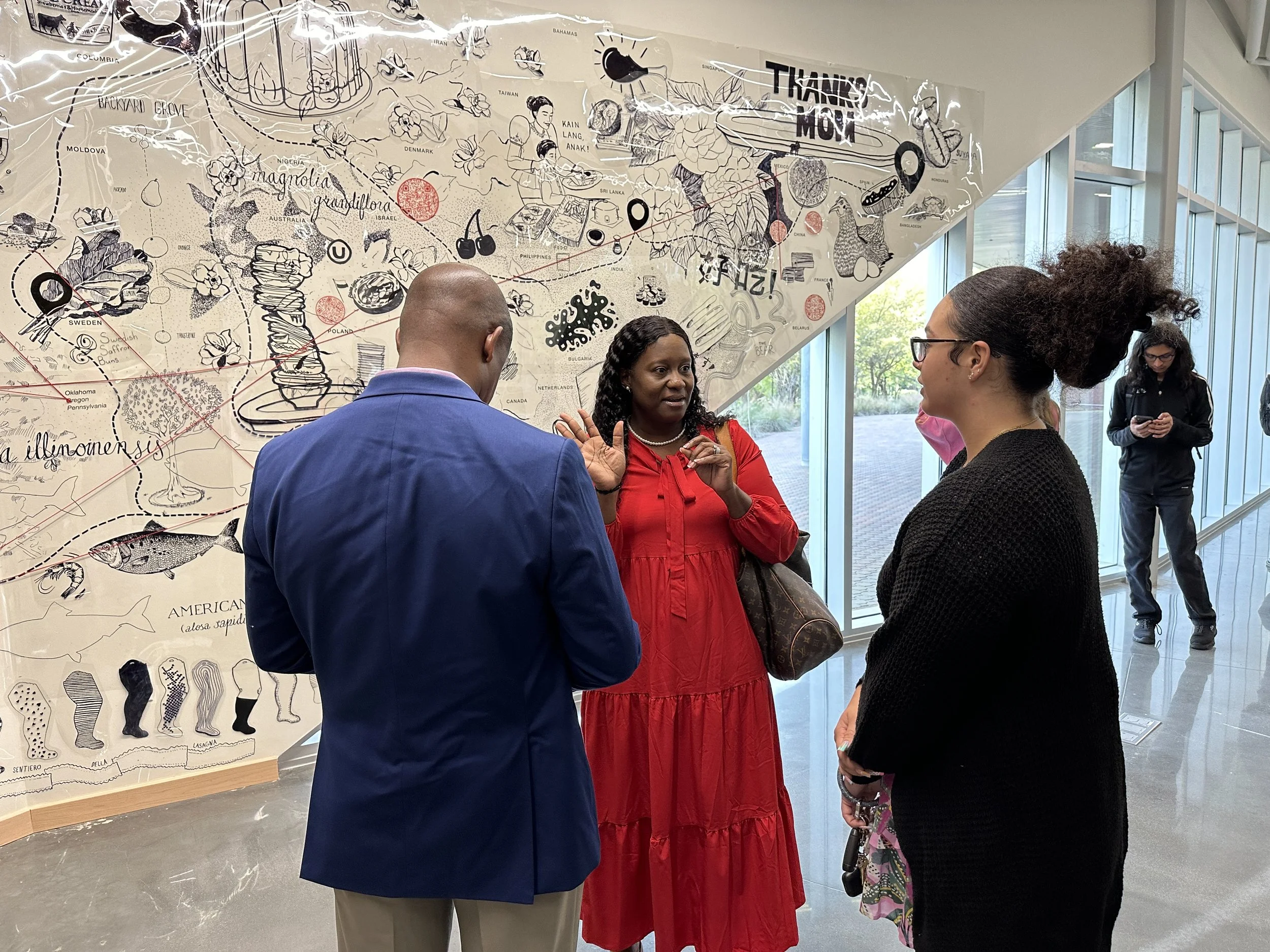
This project brought together faculty, students, and community partners to develop and present an evolving interdisciplinary installation exploring the cultural and historical significance of food in Georgia’s Coastal Plain. Core collaborators included Dr. Michael Van Wagenen and Dr. Alan Downs (History, Georgia Southern University), Dr. Alvin Jackson (Willow Hill Heritage and Renaissance Center), Joseph Ostraff (Art, Brigham Young University), Brent Barson (Design, Brigham Young University), and Collin Bradford (Art, Brigham Young University), with active participation from students at both institutions.
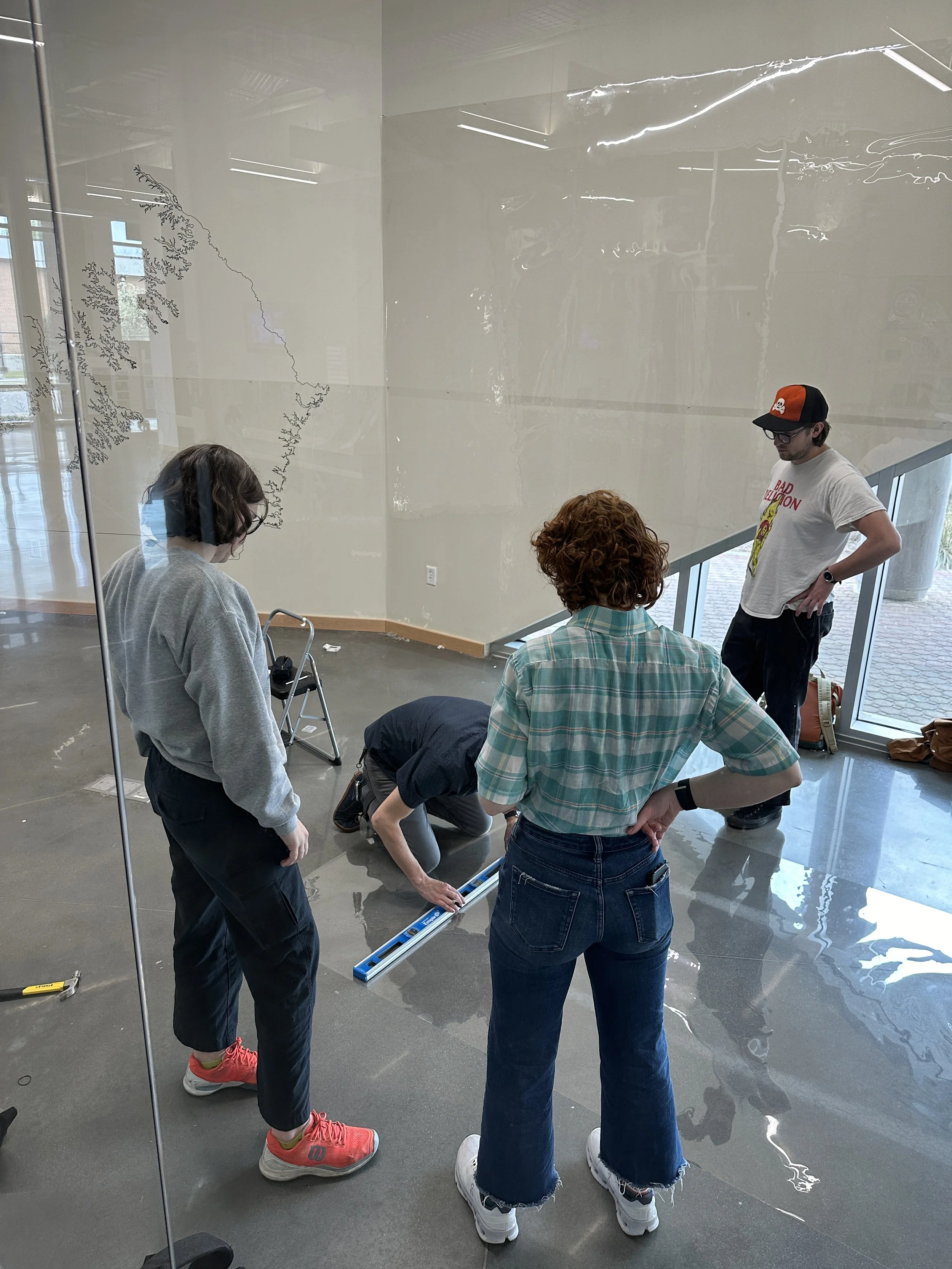
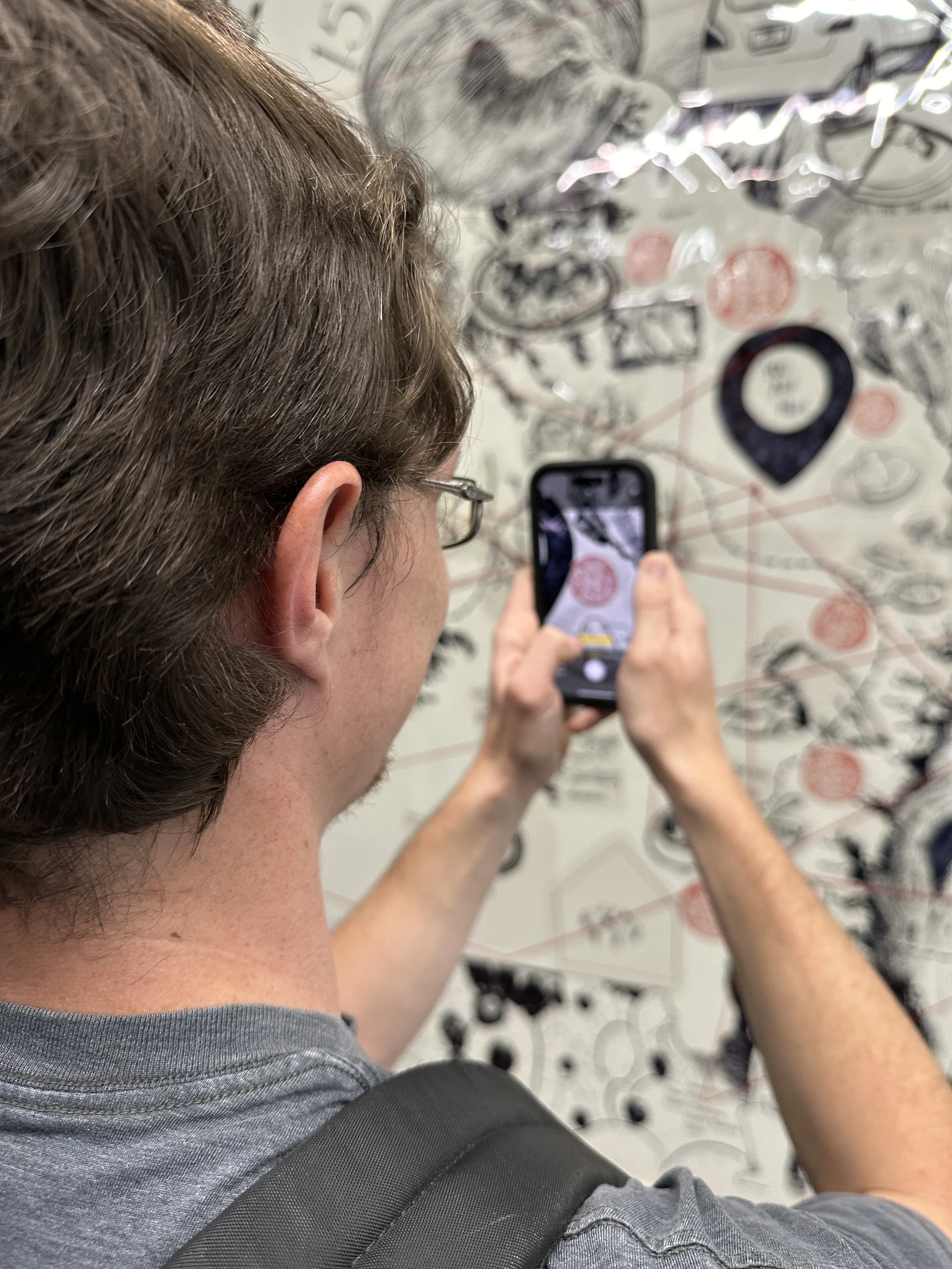
The installation was initiated as a one-week intensive build period, during which large-scale, map-based drawings were created to trace the evolution of food systems from prehistoric times to the present. These drawings functioned as both visual research and participatory framework, inviting ongoing contributions. Over the course of the exhibition, members of the Georgia Southern University campus and surrounding community added marks, annotations, and imagery, allowing the work to grow as a collective record of shared knowledge and experience.
Conceptually, the project positioned food as both a unifying and divisive force—an agent of hospitality and hostility—through which histories of migration, exchange, and identity can be understood. By combining historical research with collaborative art-making and mapping strategies, the installation created a layered, evolving representation of regional foodways and their broader social meanings.
IN A NAME, a fragment from the famous lines, "What's in a name? That which we call a rose by any other word would smell as sweet." --From Romeo and Juliet (II, ii, 1-2)
Project Statement
In response to Shakespeare’s timeless query, “What’s in a name?”, we assert that a name holds profound significance, encapsulating a personal history that shapes one’s identity and societal place. Contrary to reducing individuals to mere labels, this project aims to explore the transformative power of names in fostering empathy and connection.
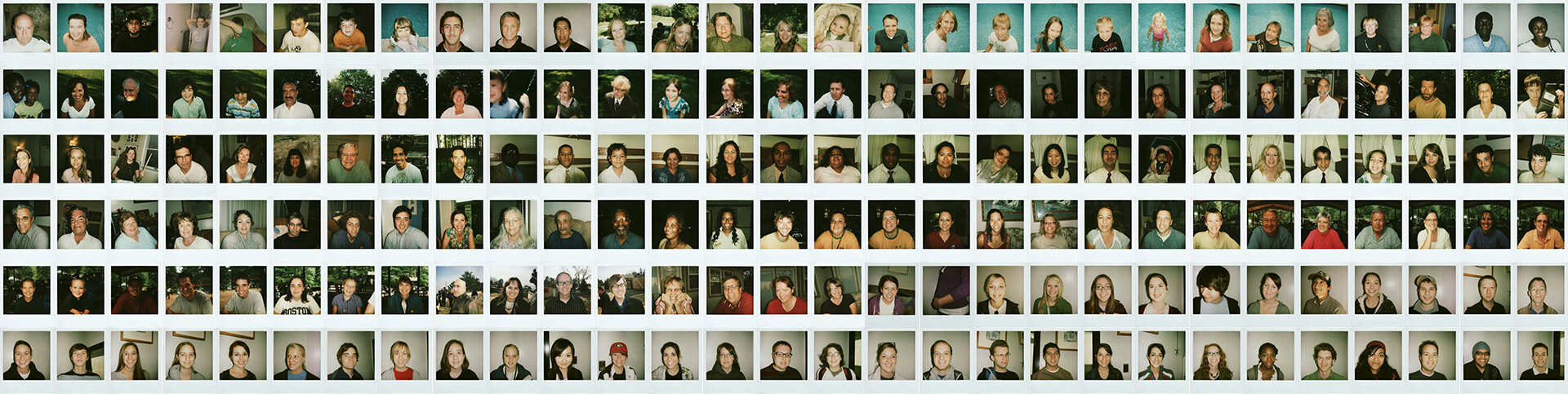
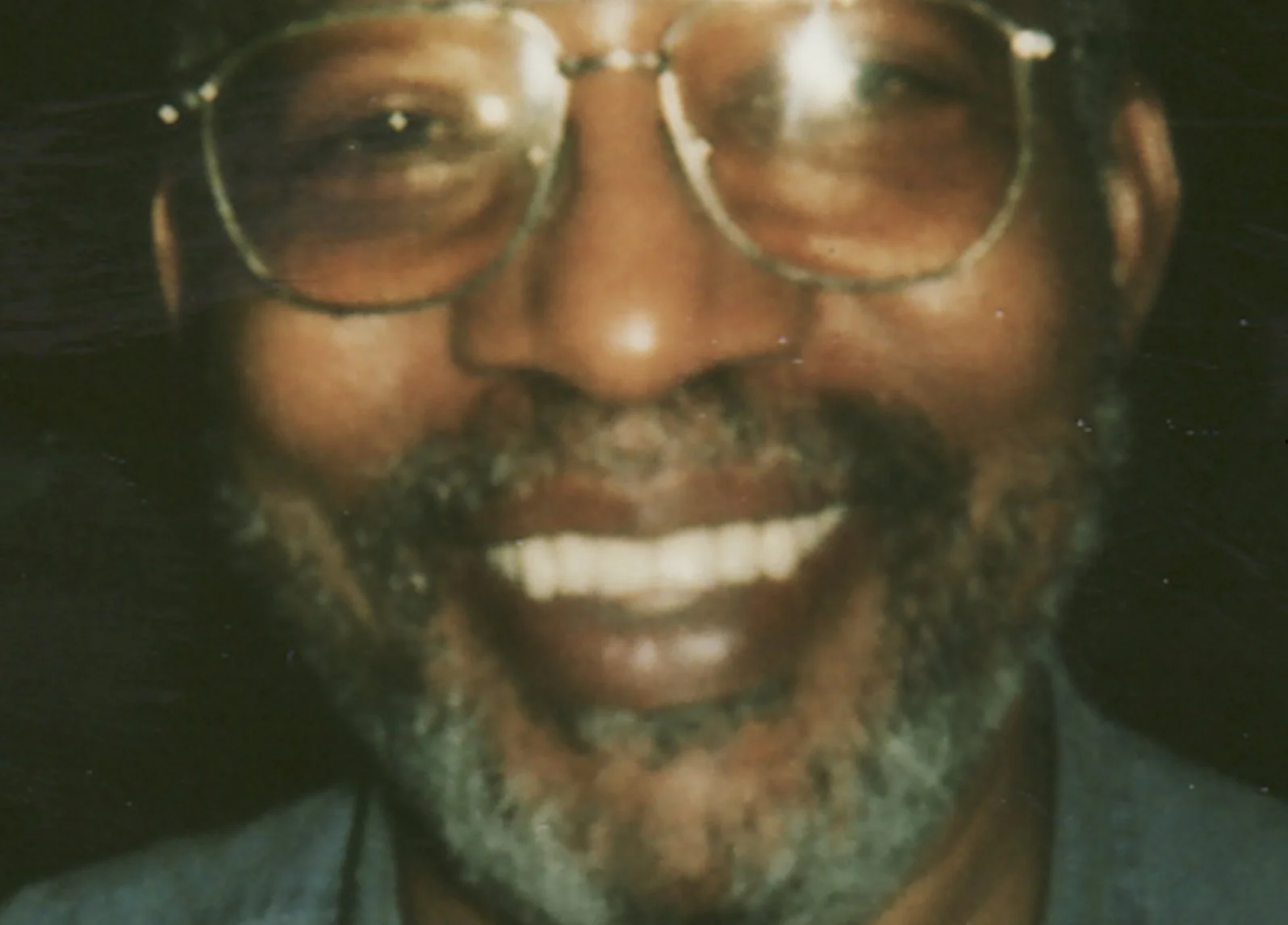
At its core, this project addresses contemporary challenges to civility and human interaction. In an era marked by societal divisions, it seeks to reintroduce respect and civility through the act of personal introduction. Participants were invited to share the origin, significance, and meaning behind their names in recorded video introductions. These narratives were gathered through mutual acquaintances, creating a web of personal connections that span diverse demographics including age, gender, ethnicity, belief, and economic status.
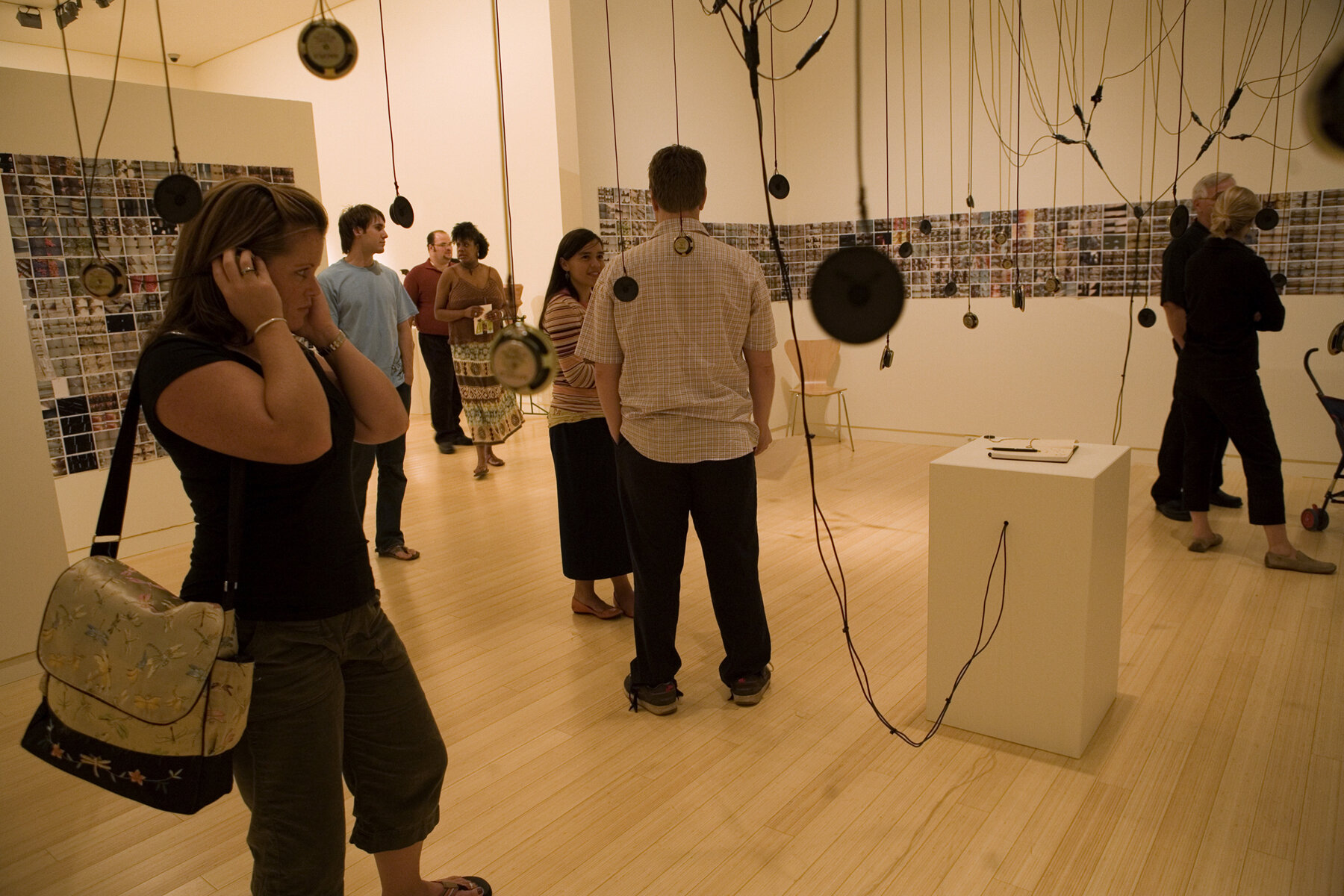
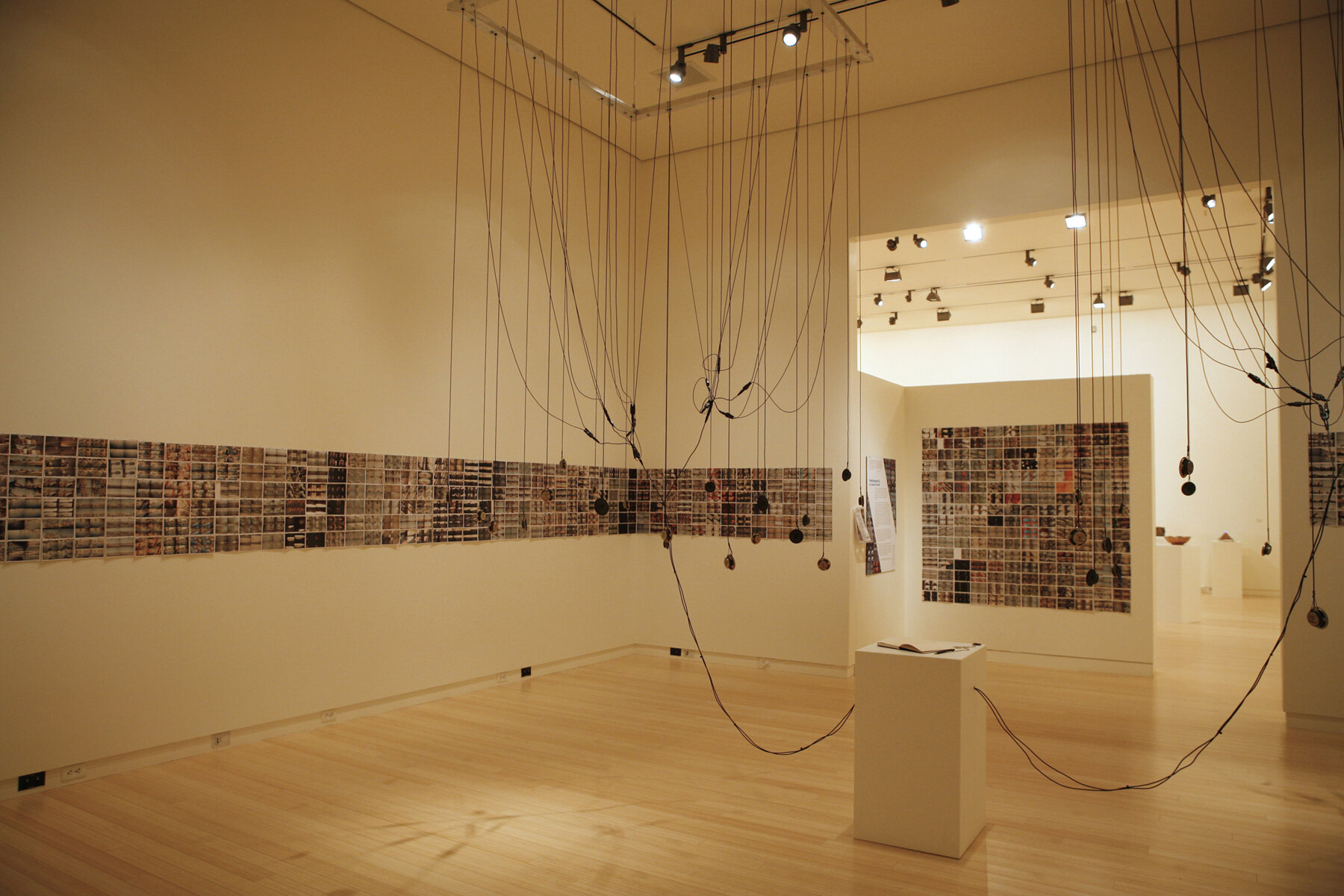
The physical installation centered around audio sound bites from each participant and over 1000 polaroid images, presented in a format designed to honor each participant’s unique story. The polaroid images are installed in numerical sequence on the walls with the audio playing quietly, filling the room with only one voice audible at any given moment—a deliberate reflection of the respect accorded to each speaker. This setup invites viewers to appreciate the diversity of individual identities while recognizing shared human experiences.
Fundamentally, this project posits that sharing one’s name is an act of transformation—from anonymity to familiarity, from isolation to community. By acknowledging each person’s history and belonging within a broader social fabric, we aim to inspire greater mutual respect and understanding among participants and viewers alike.
“My father is loosing his hearing. Many of the sounds that I hear are no longer a part of his daily experience. Many of these lost bites are sounds of comfort and familiarity. Other sounds are designed to give warning or instruction. All of these sounds are becoming lost to him and he is left more often to his own thoughts, as even basic conversation is a challenge. This situation has sensitized me to the daily sounds of my life and the larger community in which I live”. Joseph Ostraff
Publicspace(s)
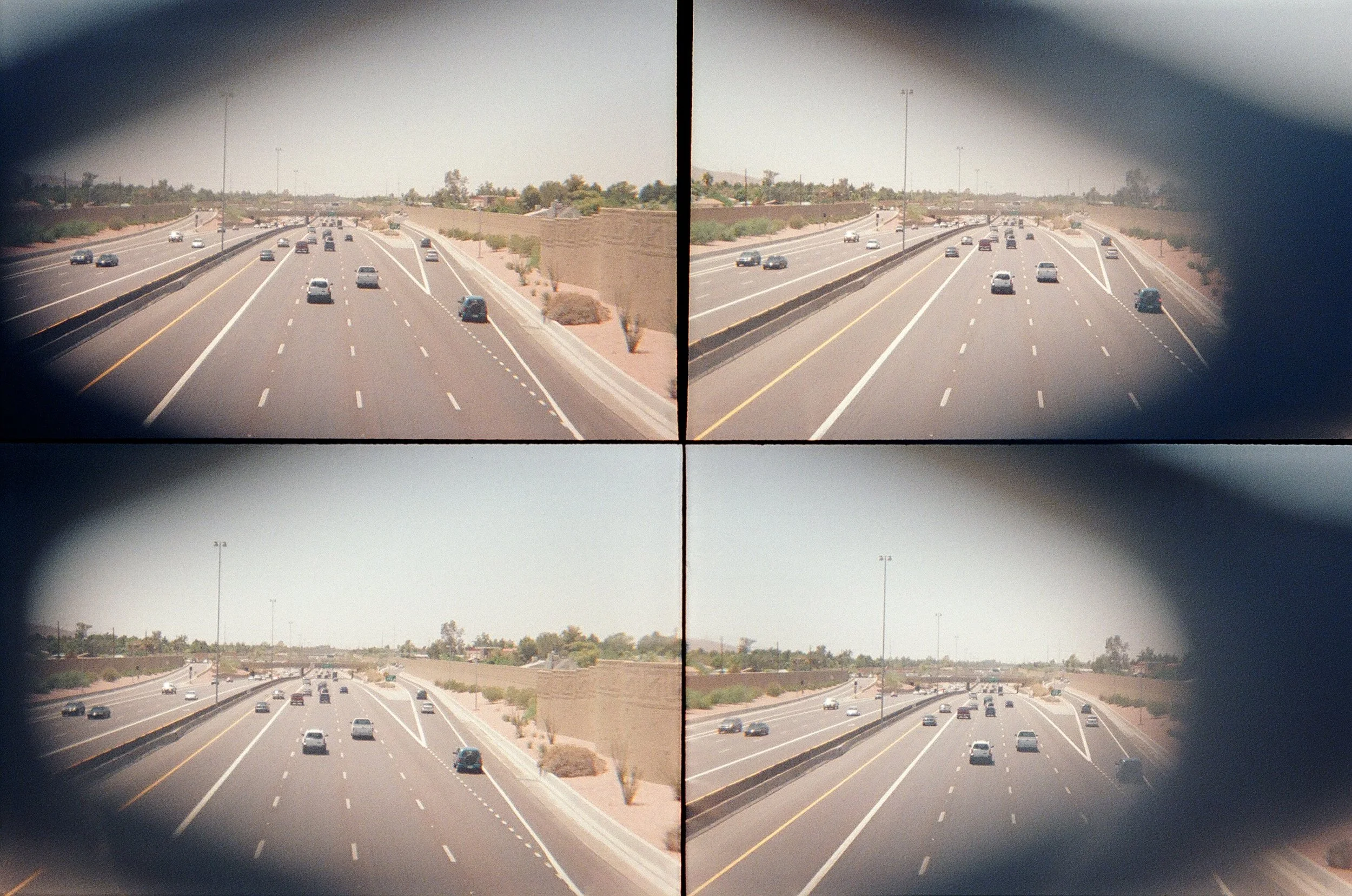
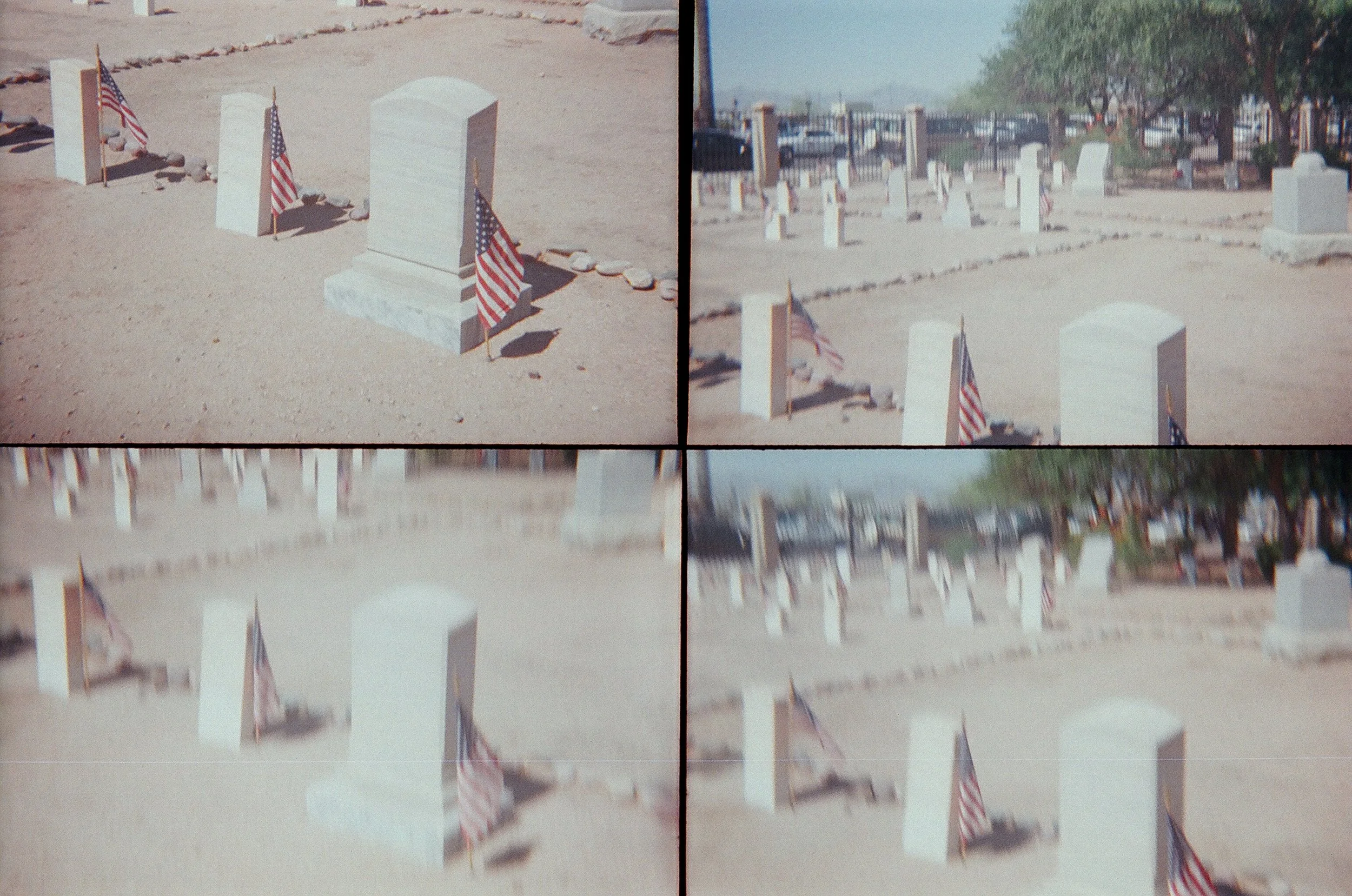
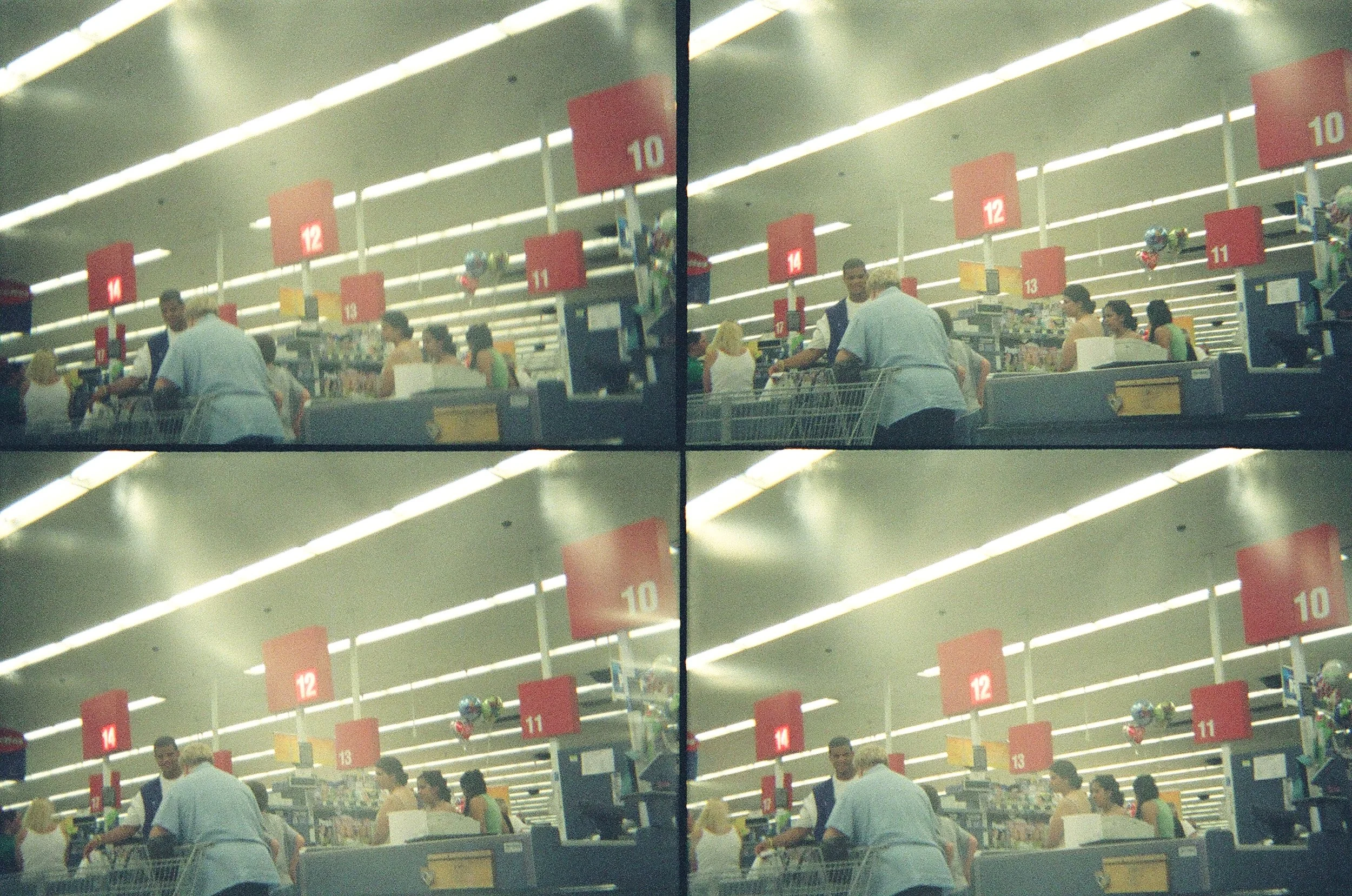
This installation is comprised of sound bites collected from public places located in the greater Phoenix area. These sounds were collected from a variety of public situations including commerce, transportation, play, work, worship, organized activity, and random chaos. Photo images have been collected that document locations corresponding with the sound bites.
A creative team of artists, friends, and family has worked together to contribute to the collection of over 1000 sounds and images that make up this installation. Midway through the project, we were finding it difficult to grasp the significance of the materials being collected in public places. As we continued to work and to compare experiences it became clearer that no single sound or image would be all that significant, but the larger whole made up of all the parts could do something altogether more revealing. Some things seemed to repeat such as; airplanes that could be heard from all over the basin, the rumble of commuter traffic, and a myriad of different types of fountains creating an elusion of an oasis. We became aware of hums, clicks, buzzes, and the grind that originated from the infrastructure of society. Going to the same places at different times of the 24-hour clock revealed sounds of the user and sounds of the laborer and caretaker. Sounds have an economic value.
From certain vistas such as Hole in the Rock, near the zoo, we became aware of a hum. It was the hum that millions of people living together make as a by-product of all of their doings. This phenomenon is repeated in smaller degrees all over the valley and can be found in the inside-outside effect of a busy restaurant or nightclub or in the roar of a crowd in the sports arena in juxtaposition to the individual cheers and jeers of the people that make up the audience.
It also became clear that sounds of place confirm our position and status, both physically and emotionally, on an on-going daily basis. These sounds become so familiar, that most are sensed on a subconscious level. They are the sounds that confirm that we are in the right place at the right time. It is the unfamiliar sound, or the absences of a familiar sound that may be most unsettling—telling us that we are on foreign ground of sorts.
Participants: Joseph Ostraff, Melinda Ostraff, Ethan Ostraff, Hannah Ostraff, Peter Everett, Sam Everett, Jacob Everett, John Telford, Linda Sullivan, Ian Sullivan, Jason Metcalf, Denise Metcalf, Wayne Madsen, Rebecca Madsen, Jeff Larsen, Tom Spindle, Christopher Krause, Olivia Juarez, Jane Egan
Thousands of sound bites and correlating images collected around the Mesa/Phoenix area. Installed at the Mesa Art Center.
A Collaborative, Community-Based Installation
Ballinglen Arts Foundation Art Gallery, Ballycastle, County Mayo, Ireland
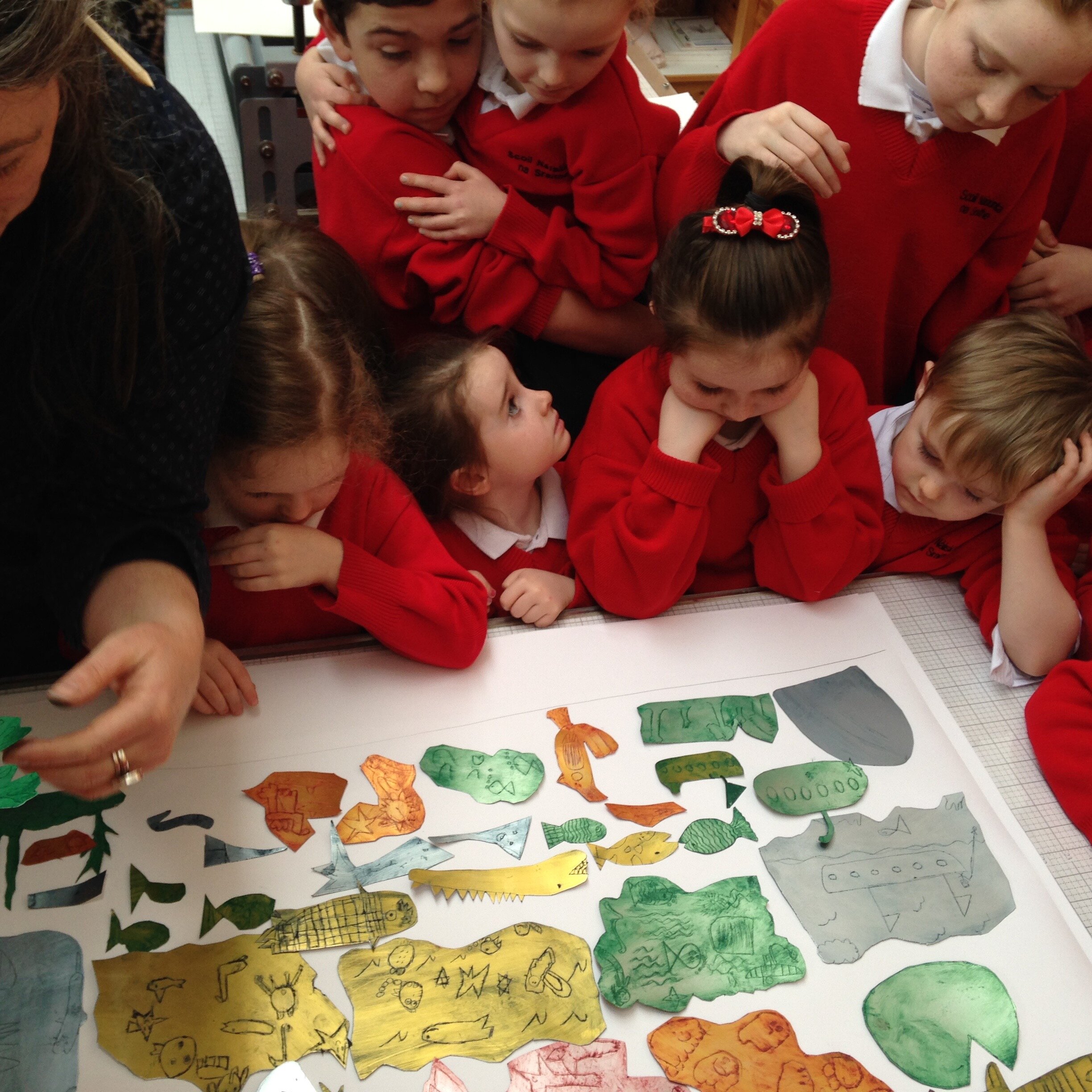
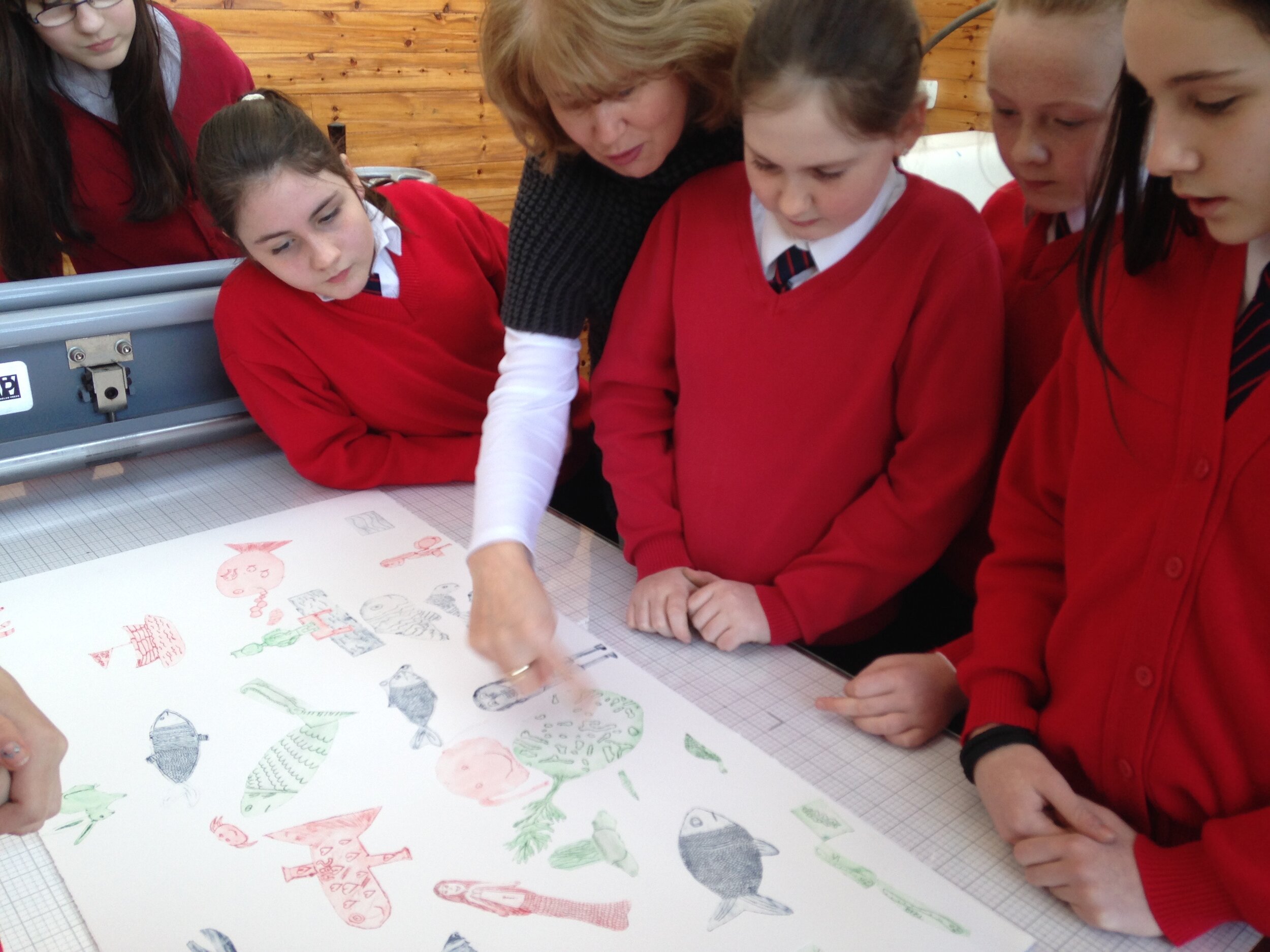
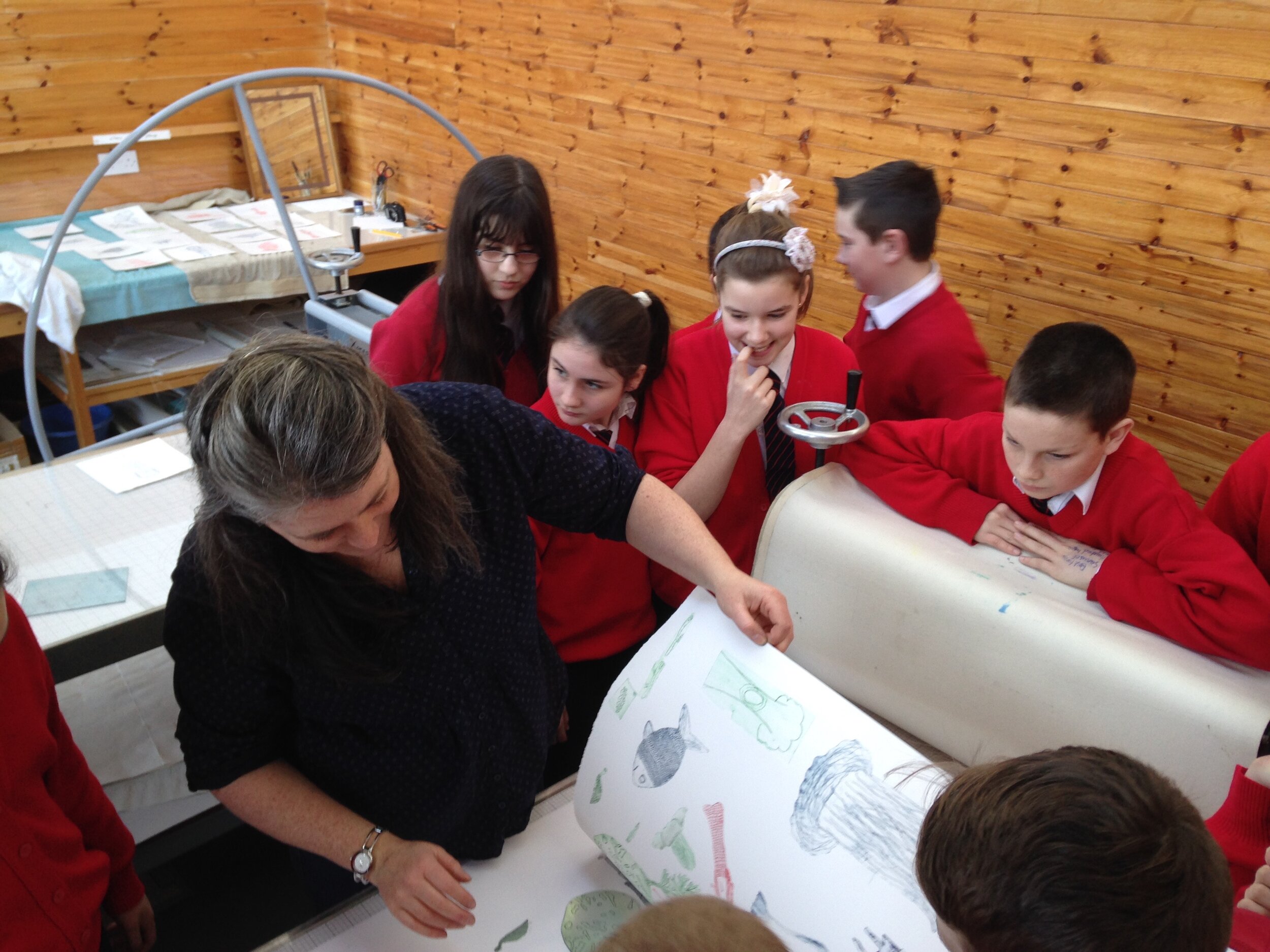
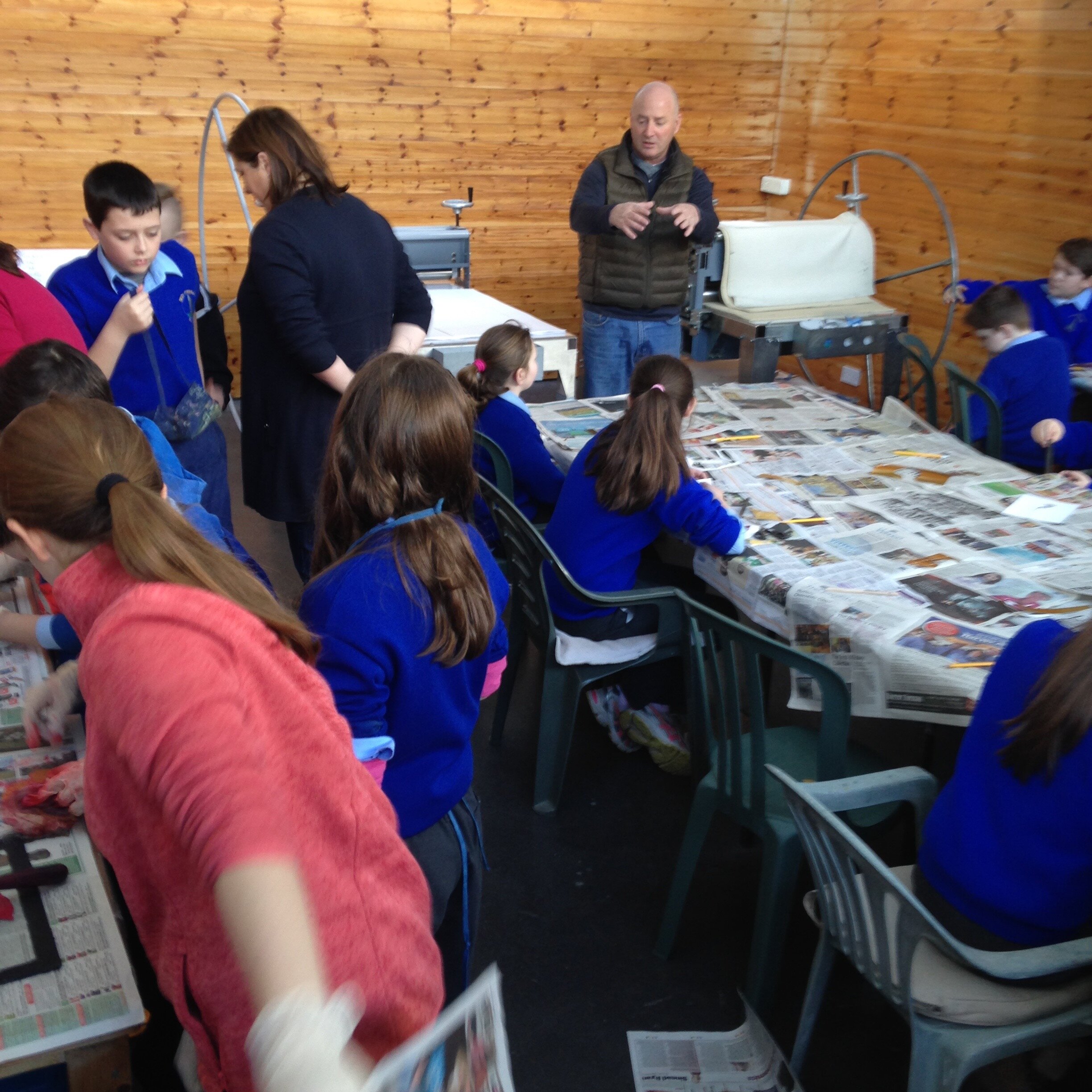
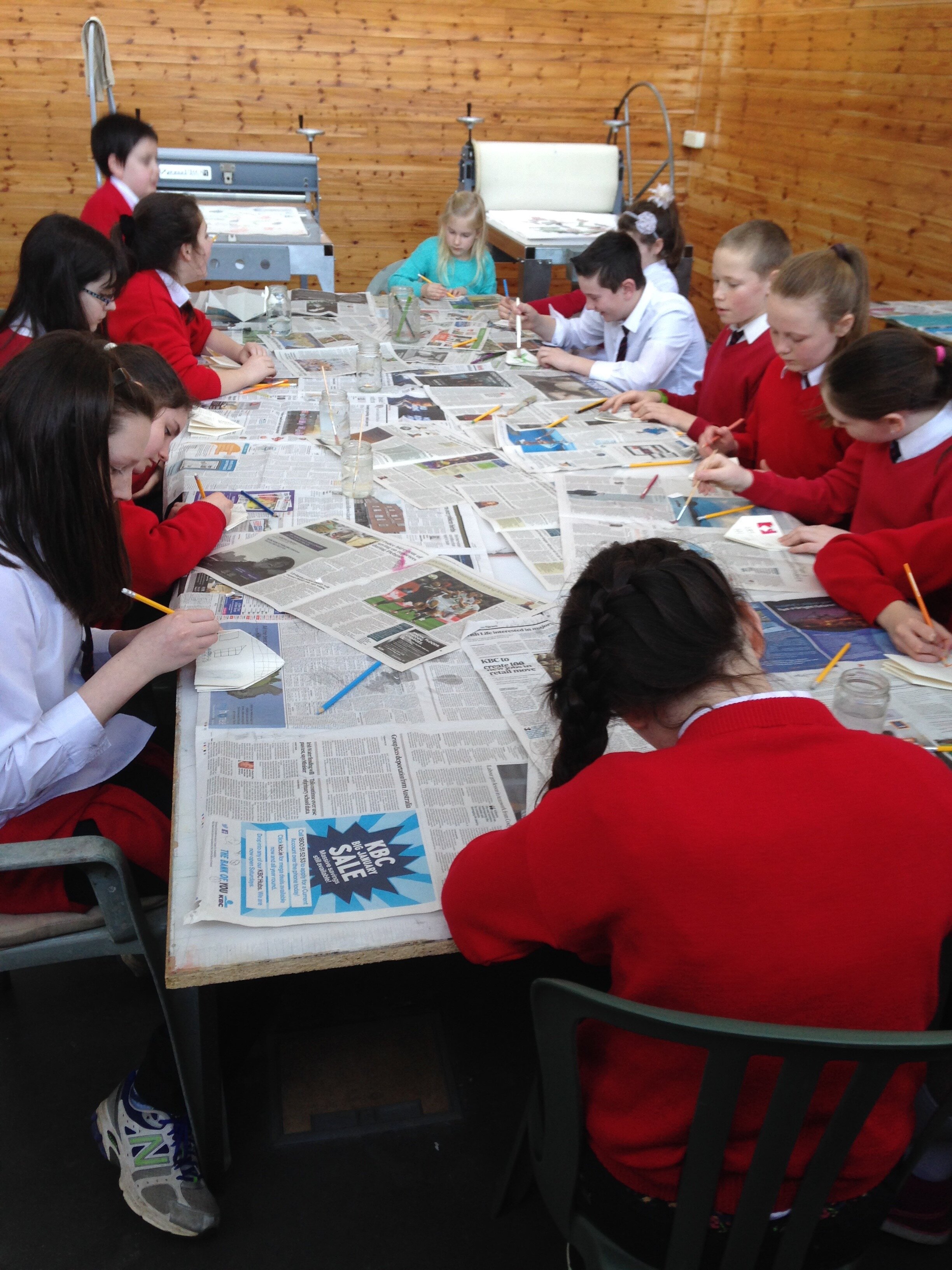
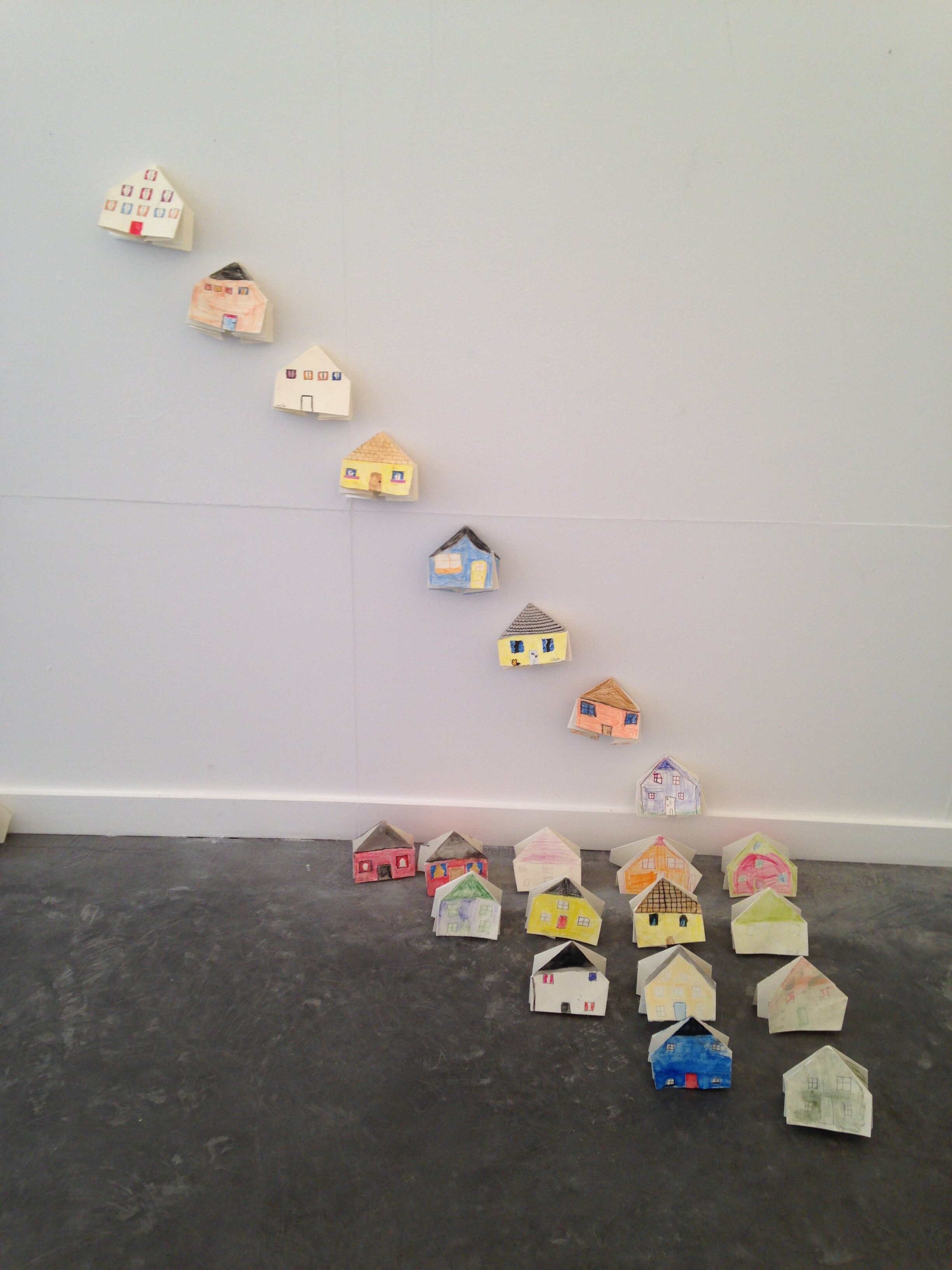
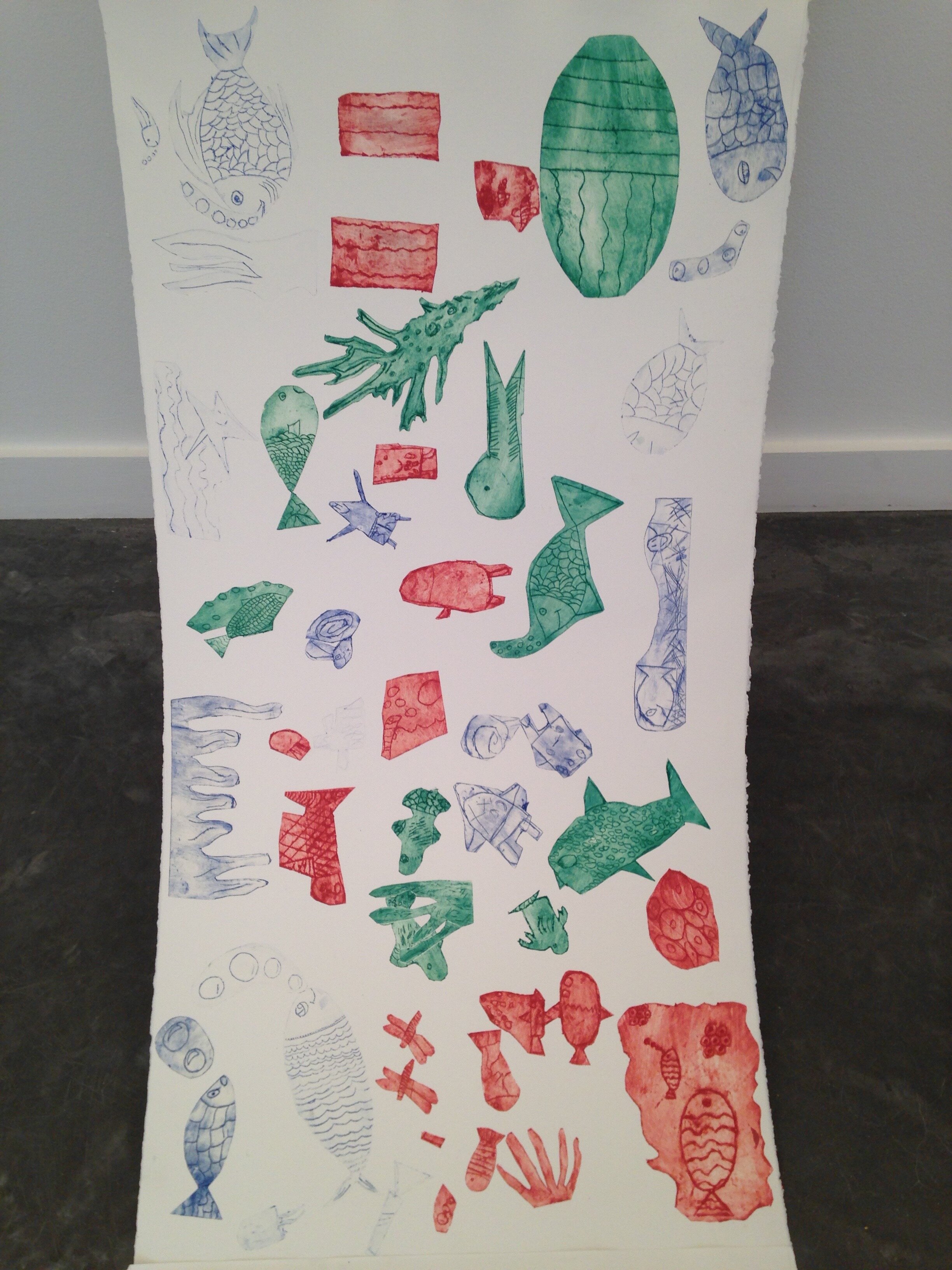
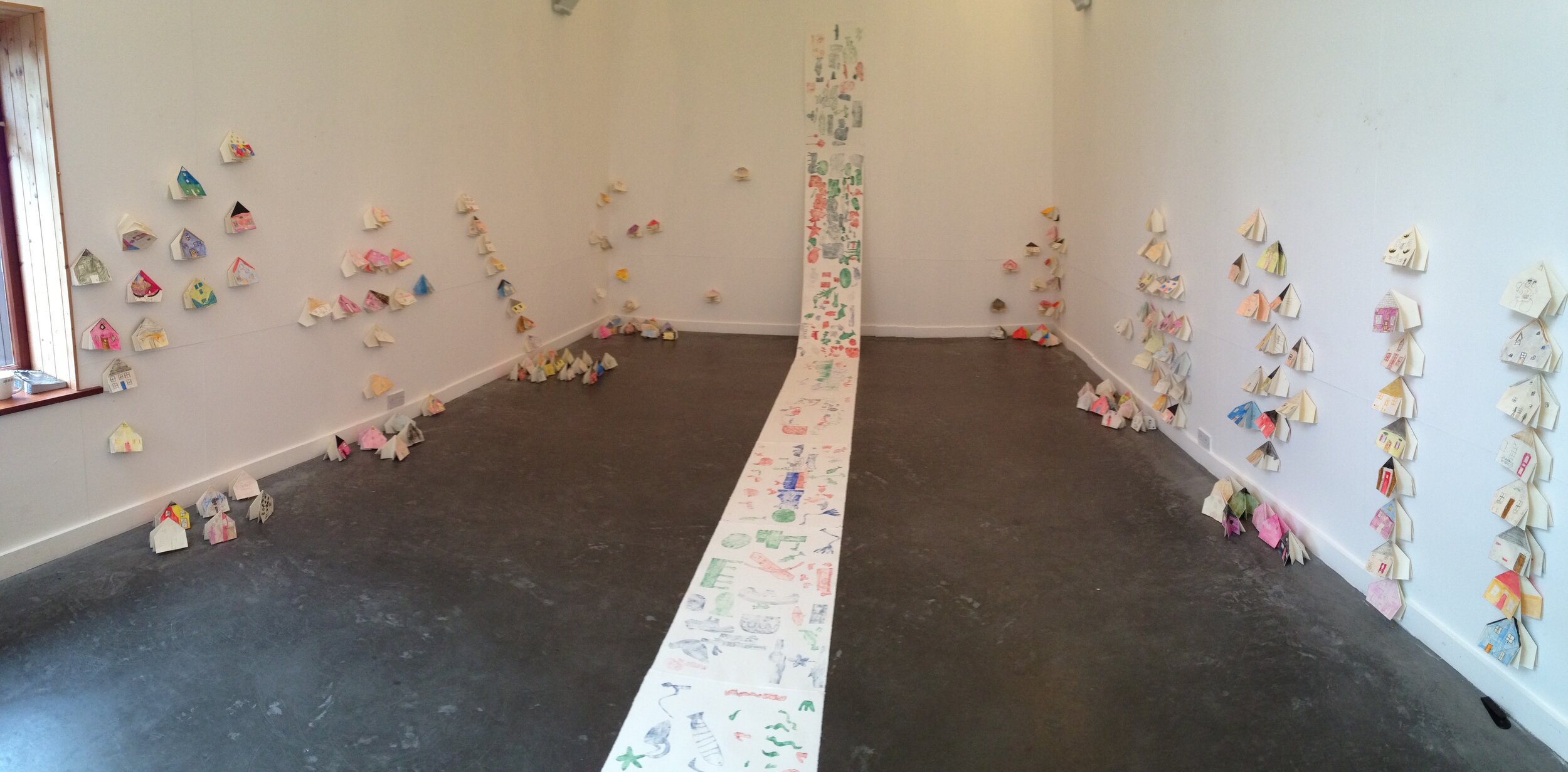
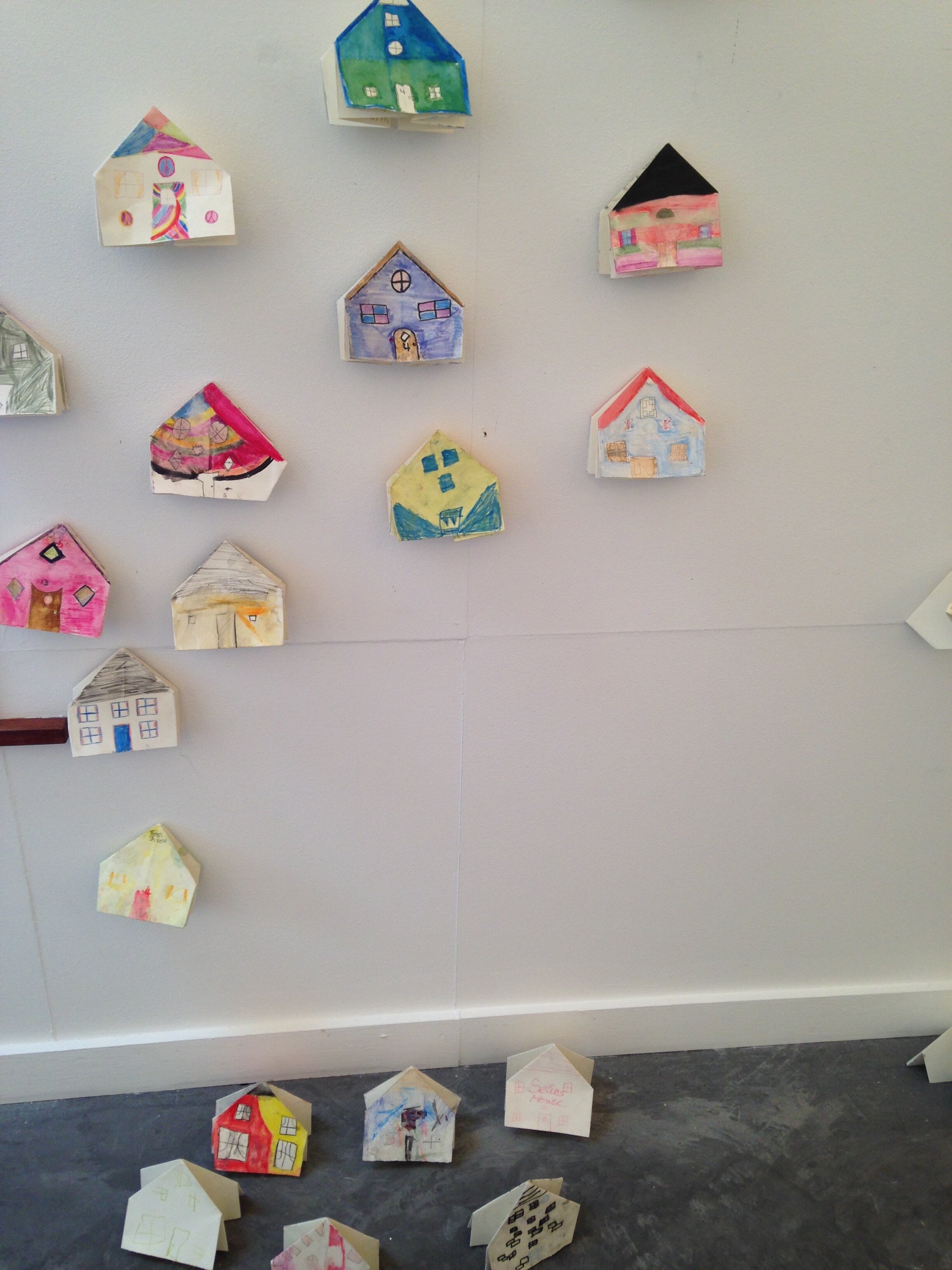
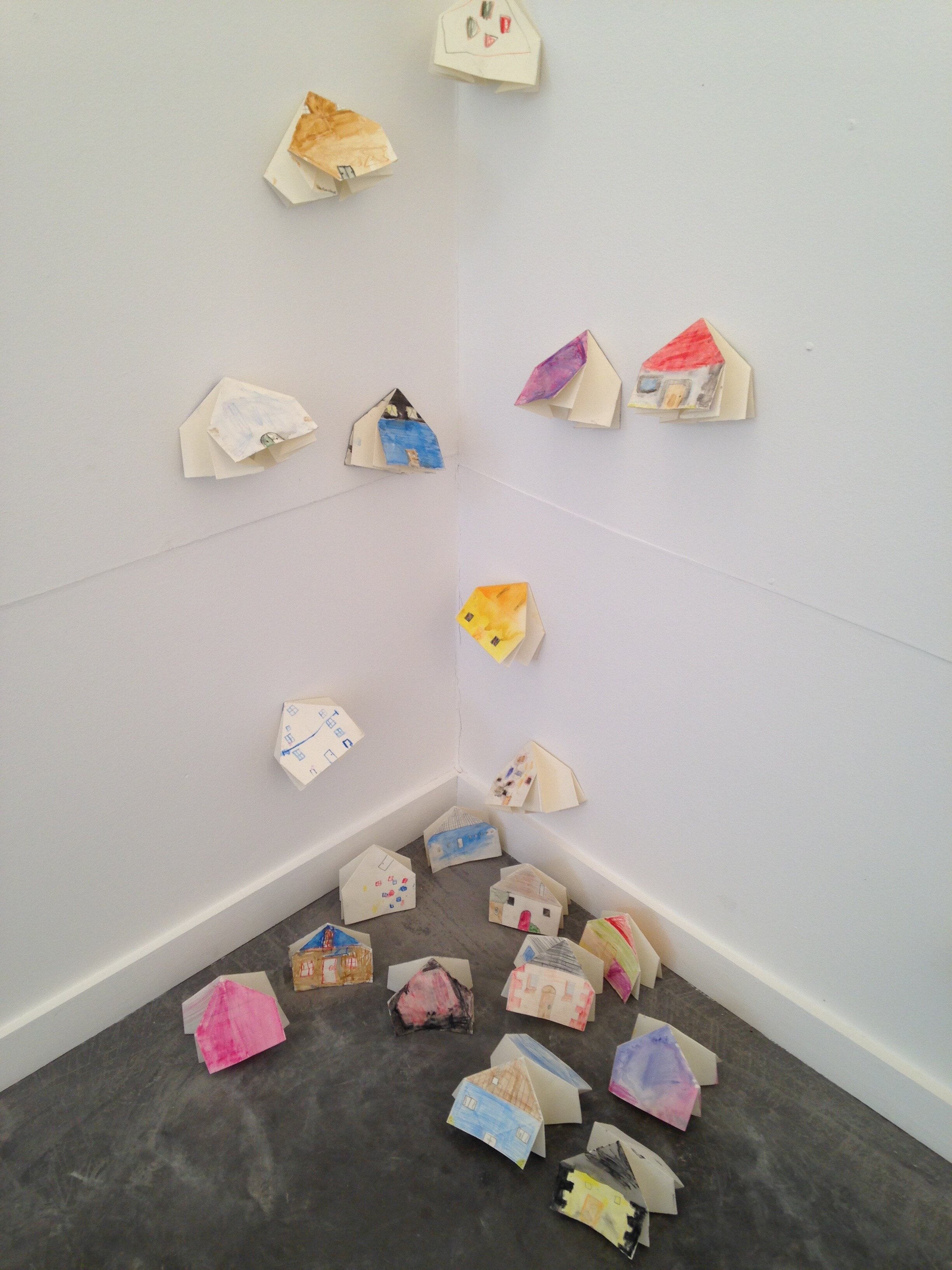
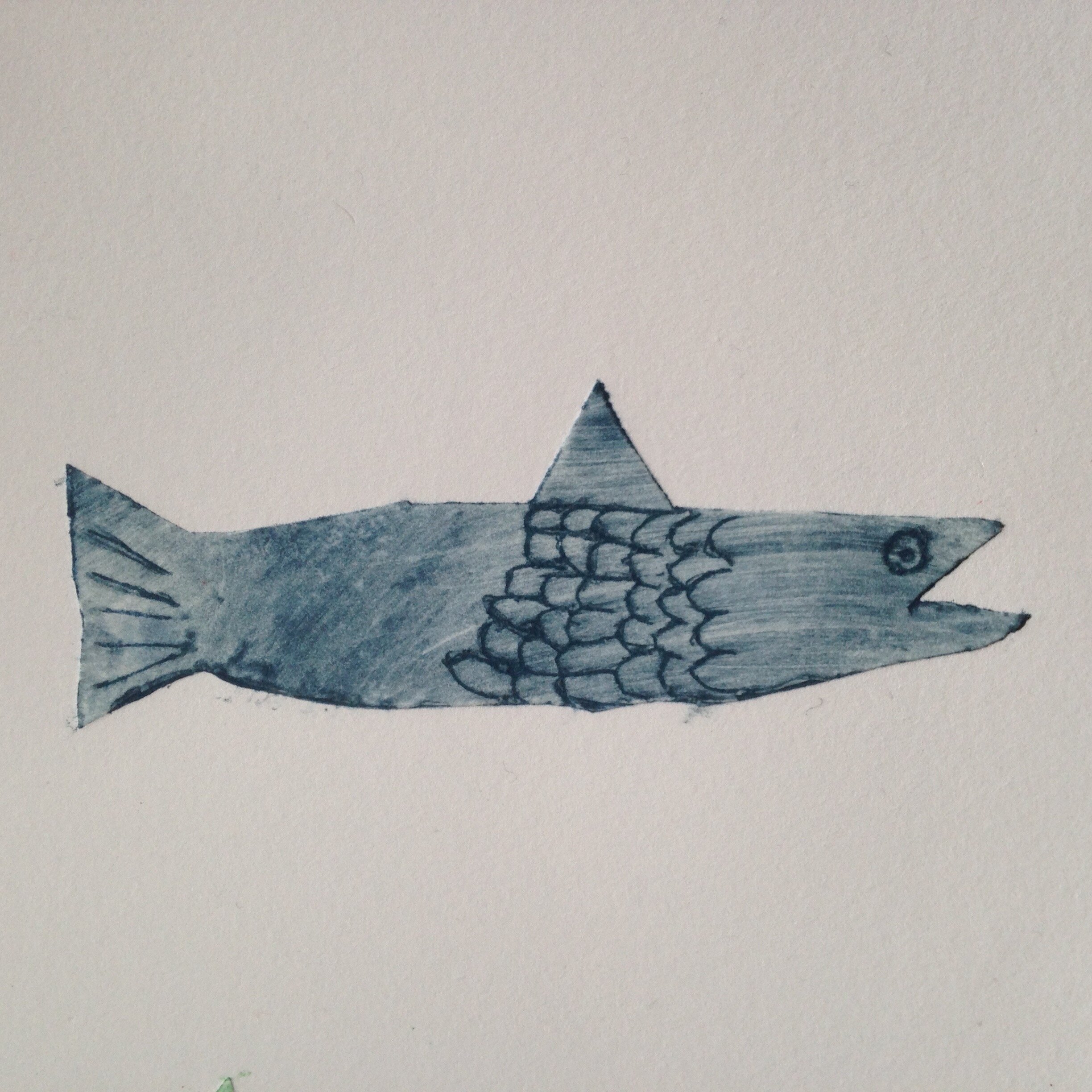
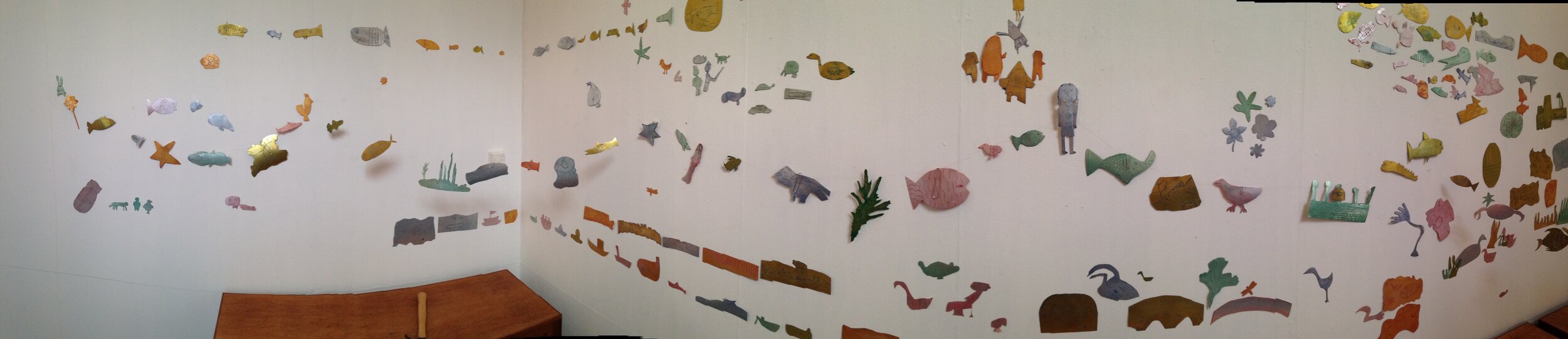
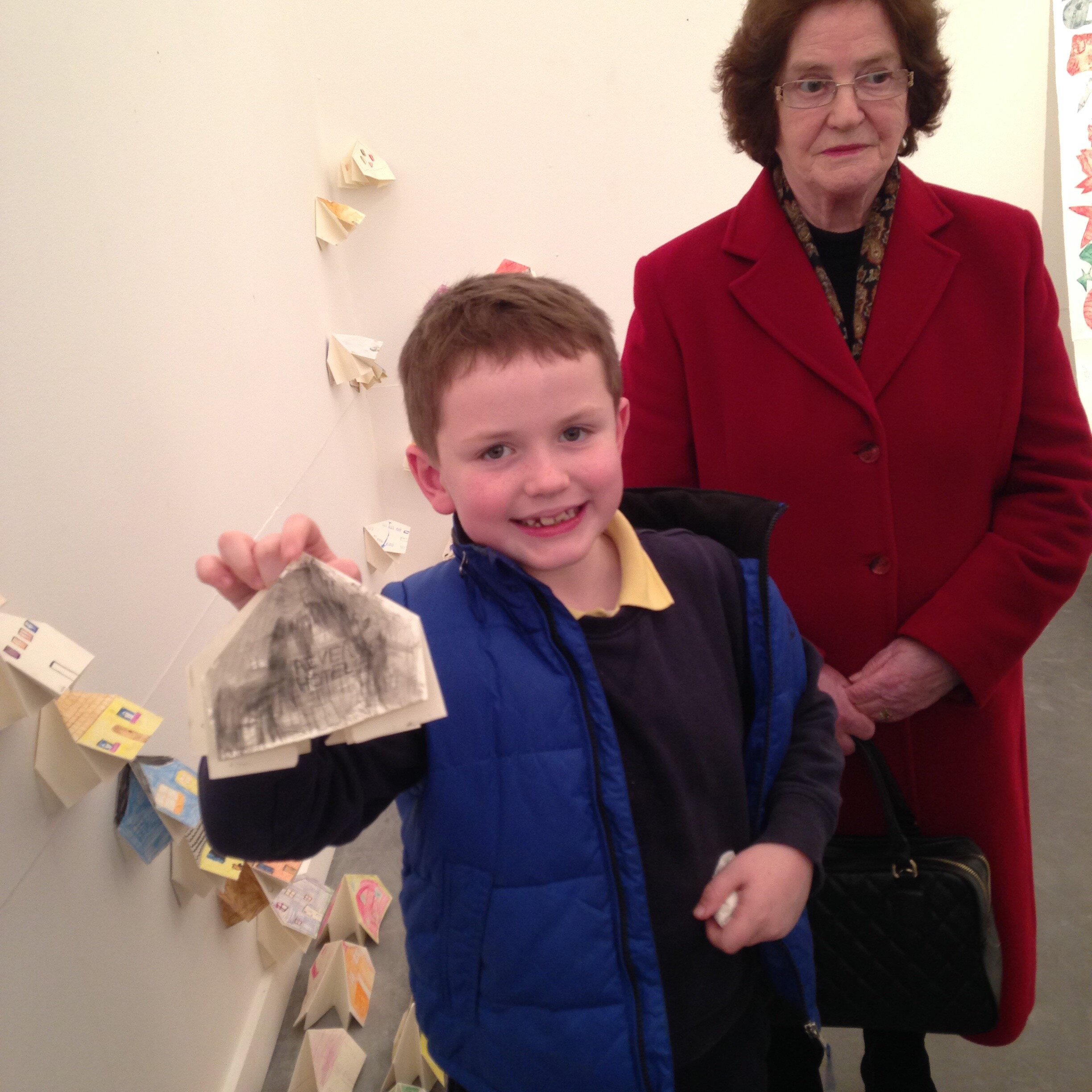
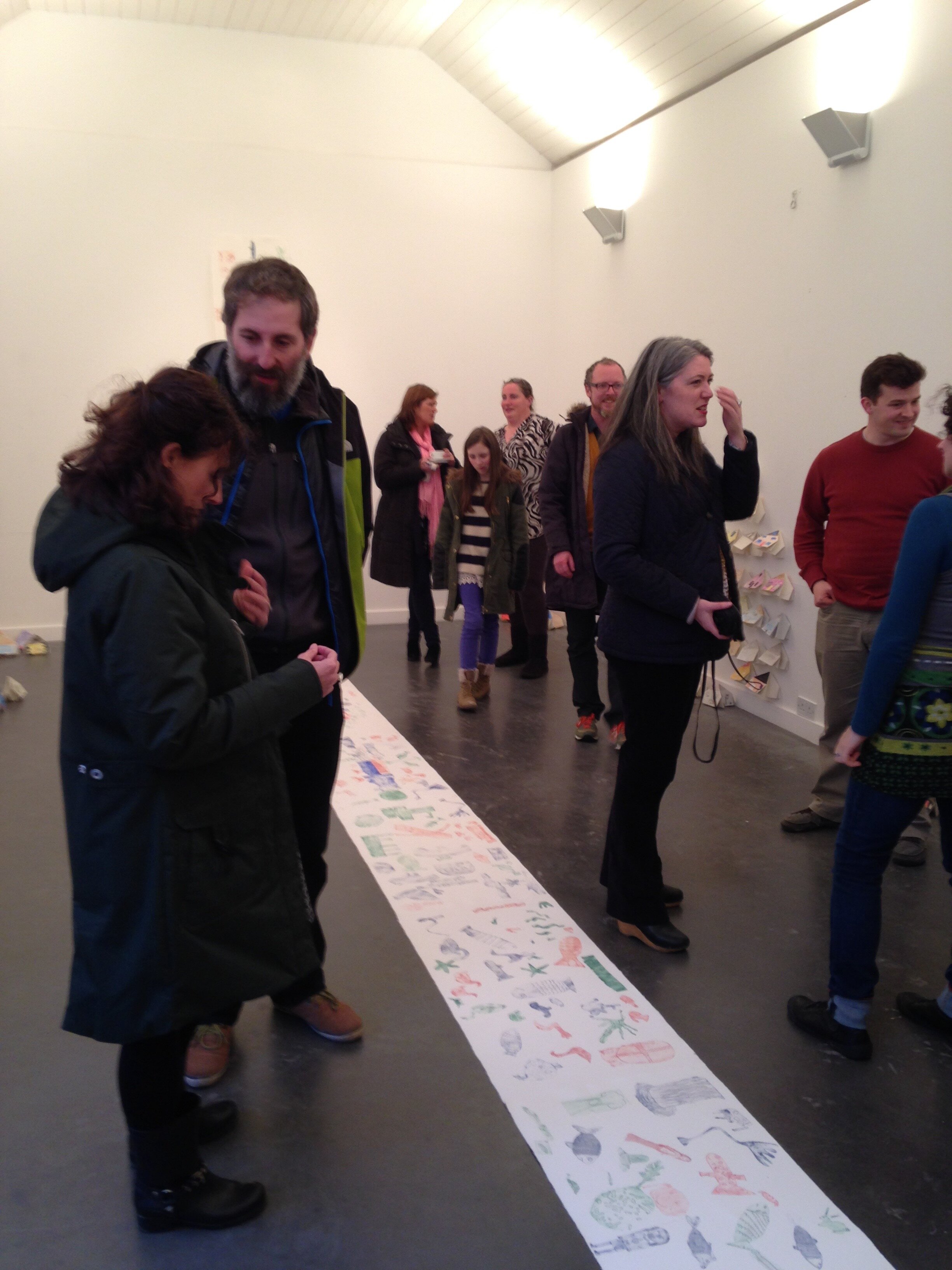
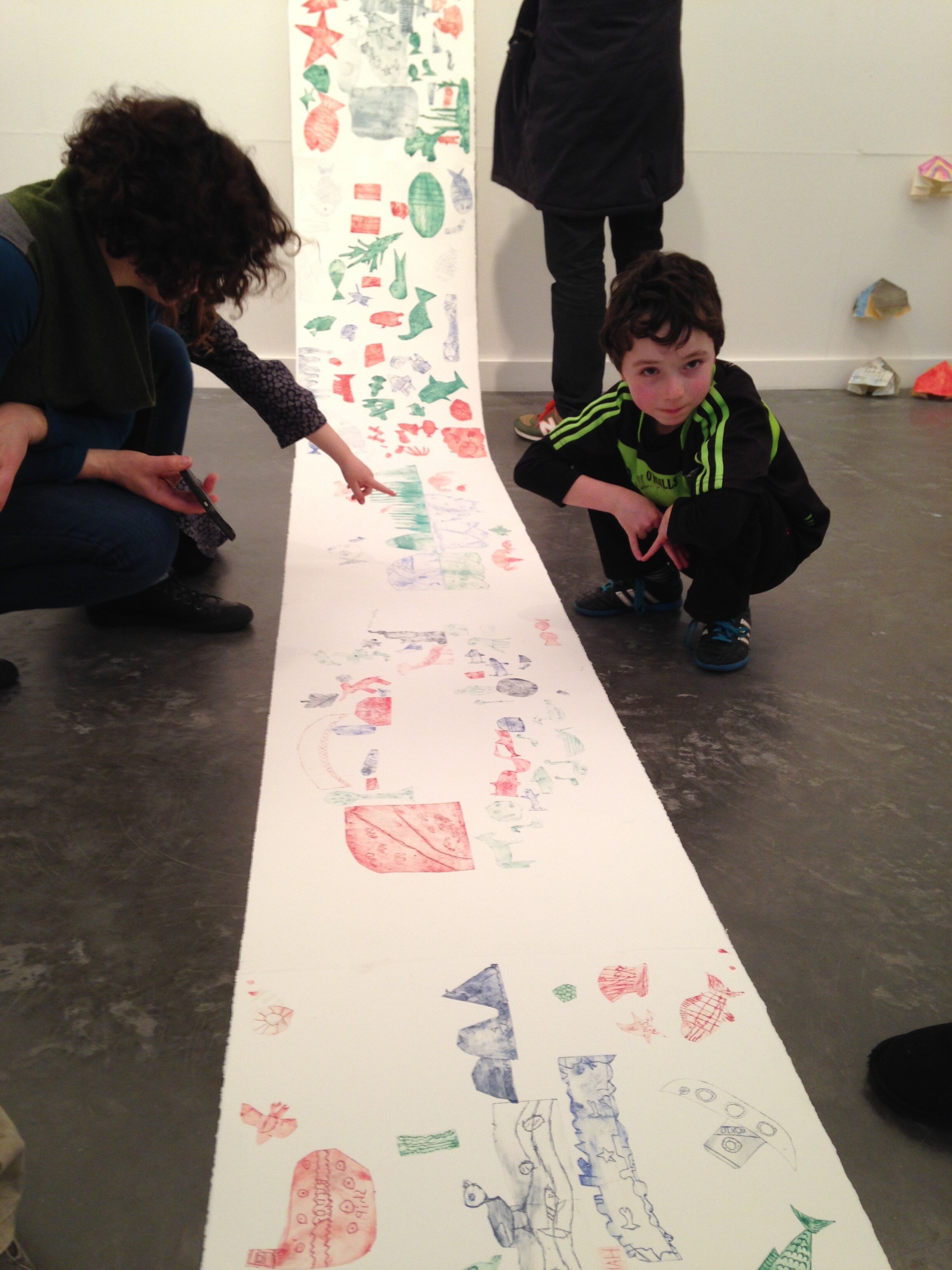
More than 150 students from twenty parish schools across County Mayo worked with a team of visiting artists and Nuala Clark, resident artist at the Ballinglen Arts Foundation, to produce a large-scale print and a series of handmade books.
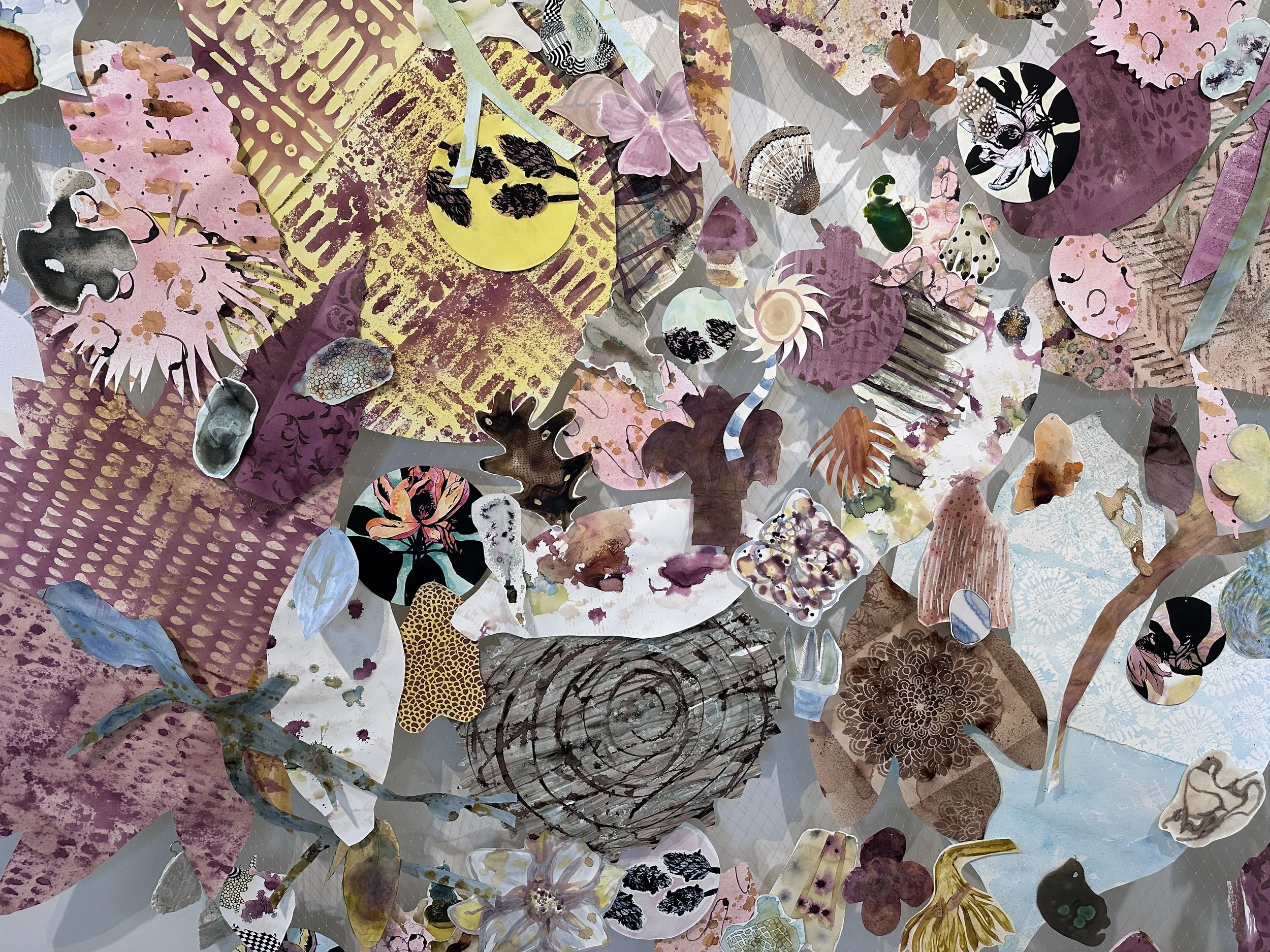
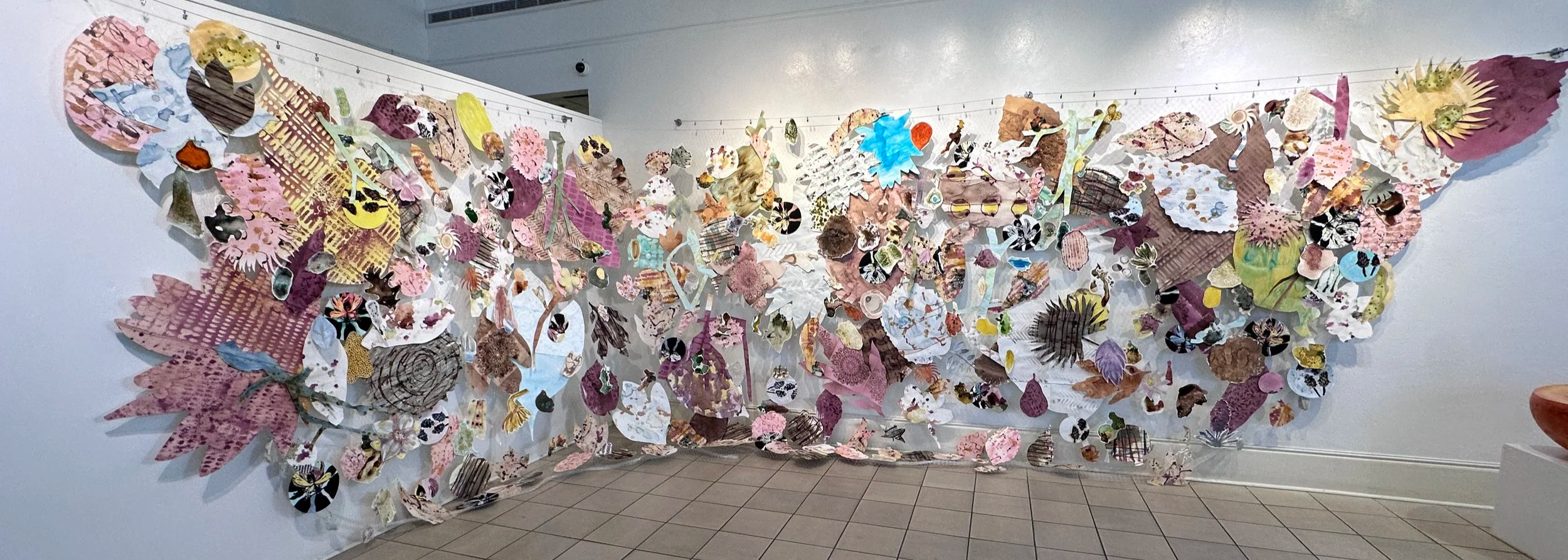
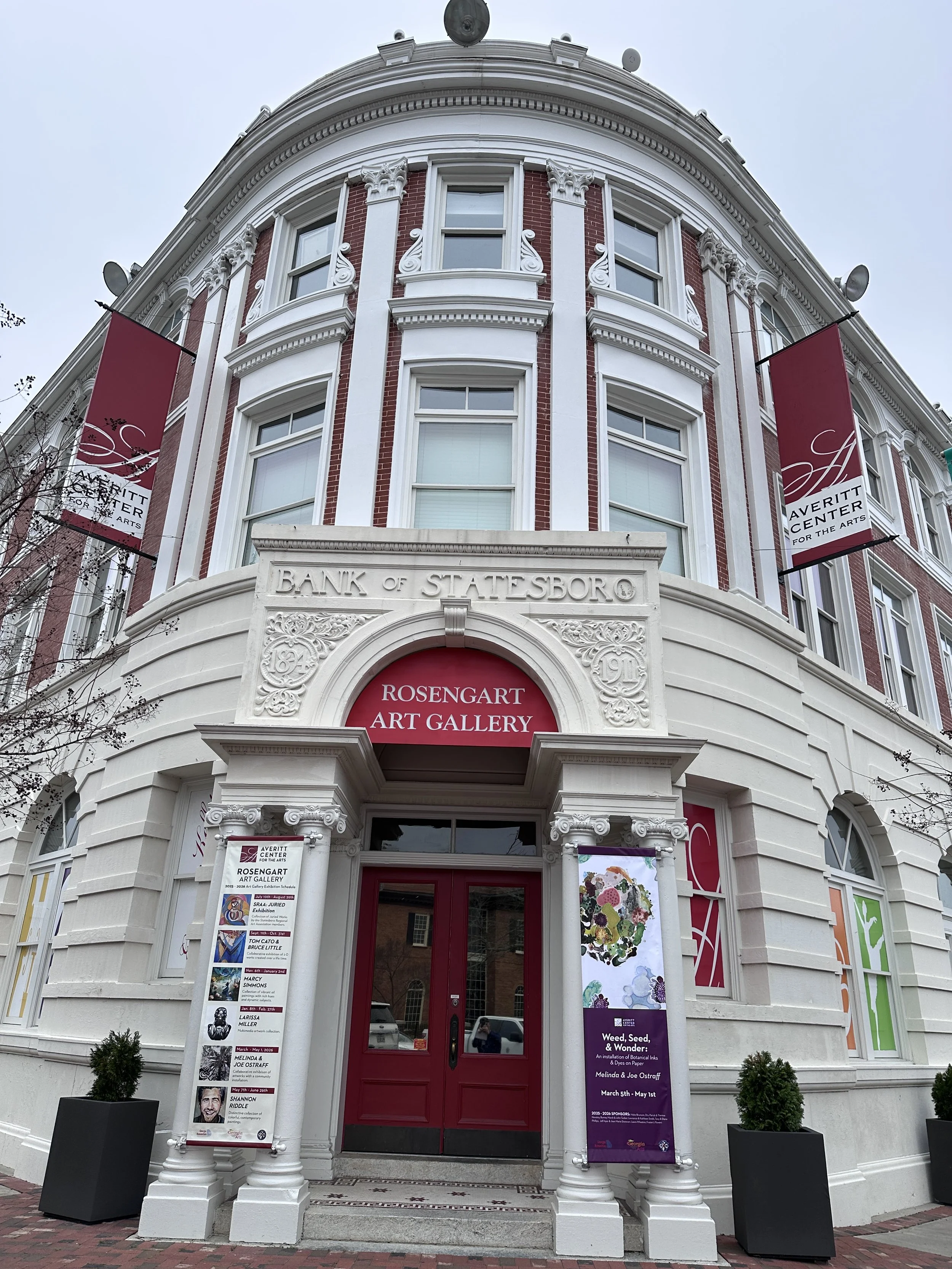
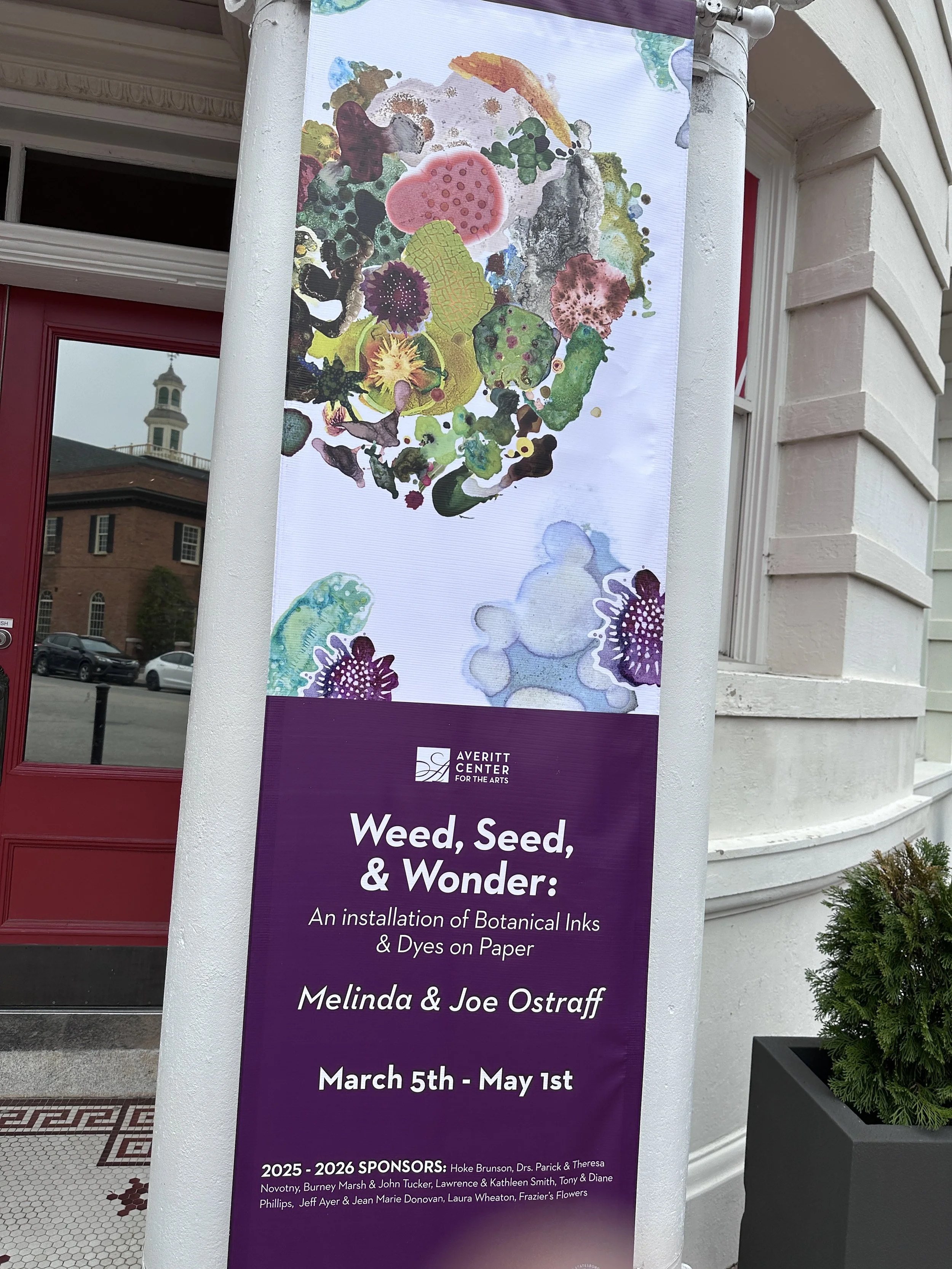
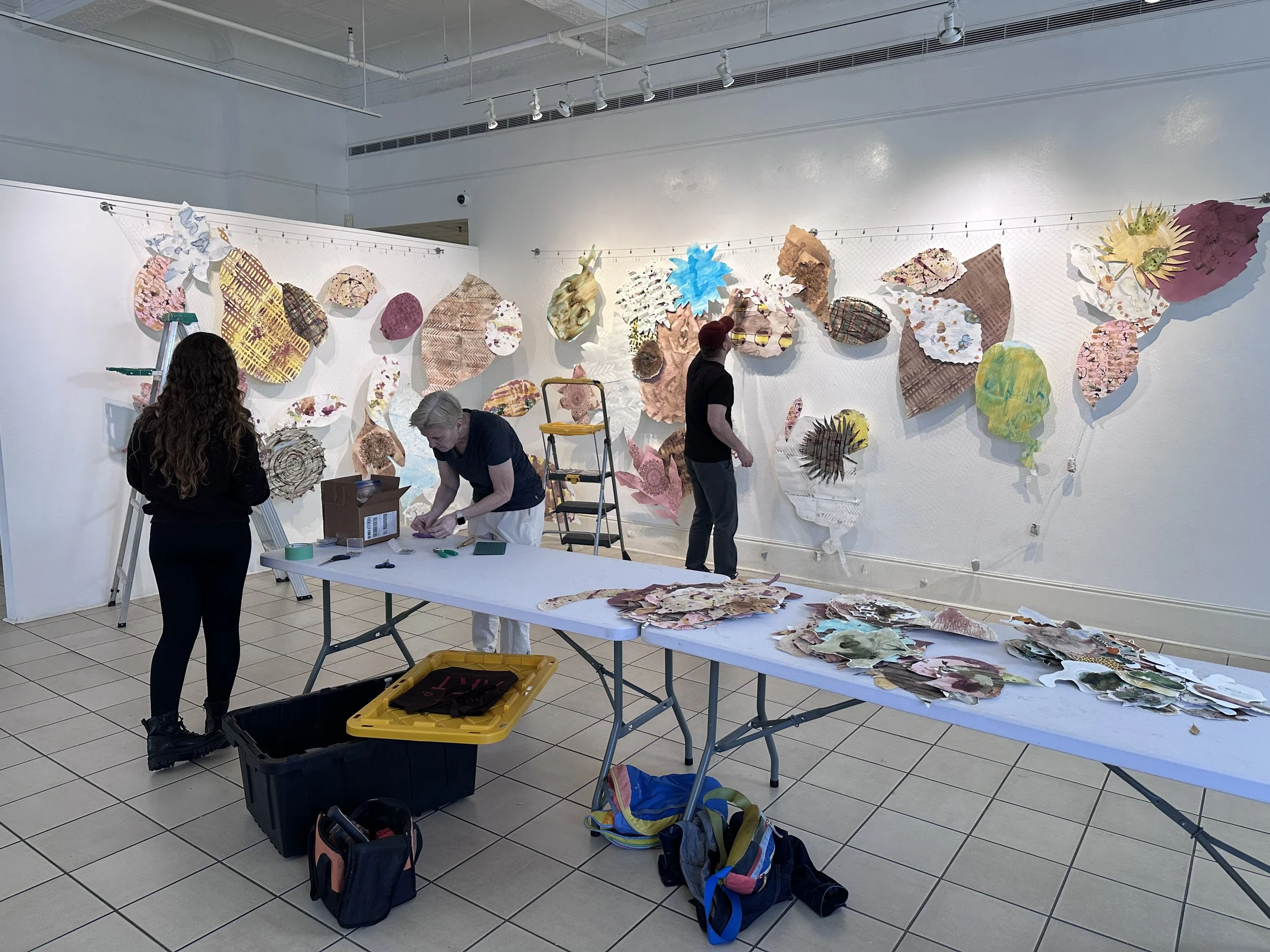
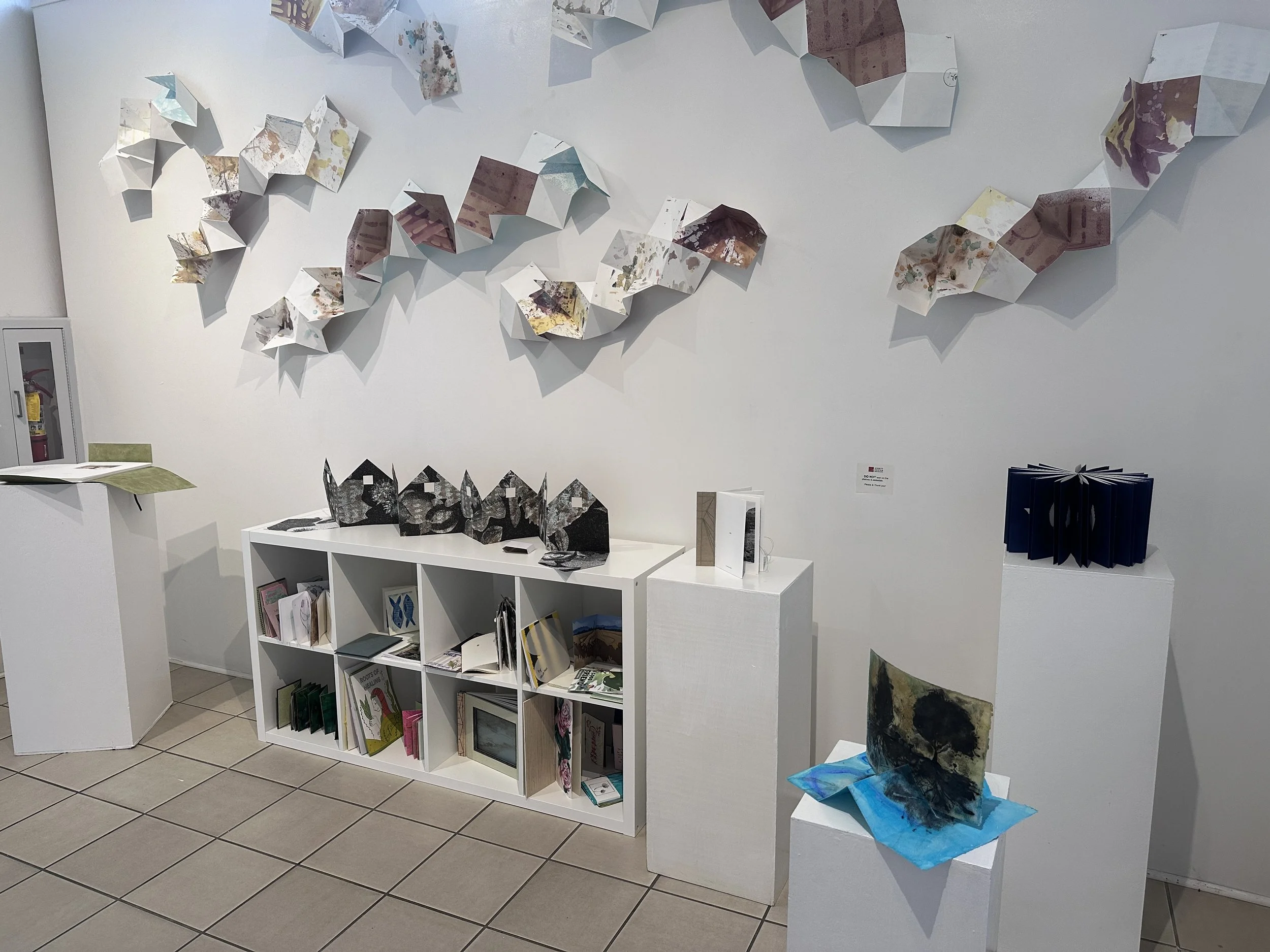
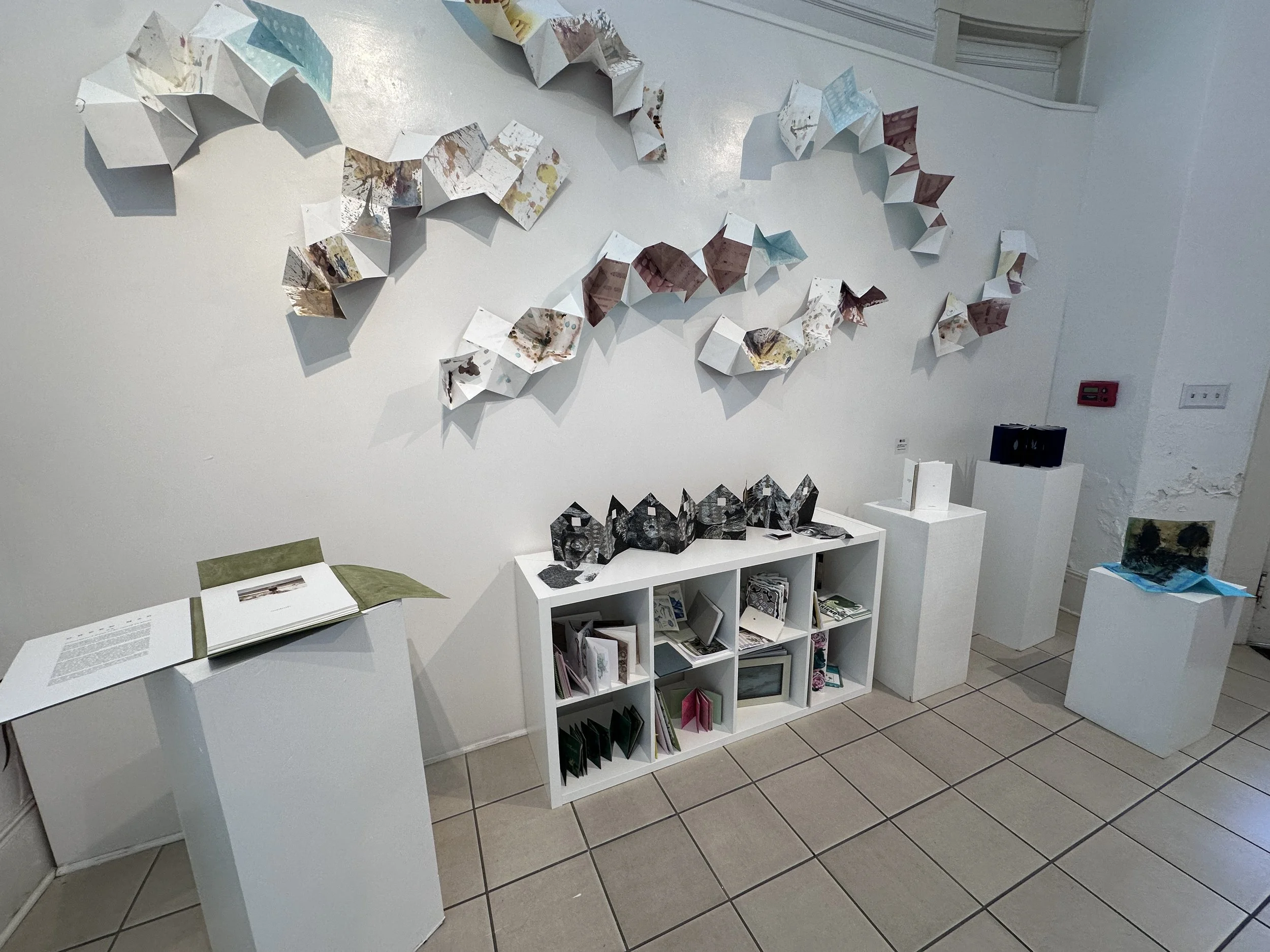
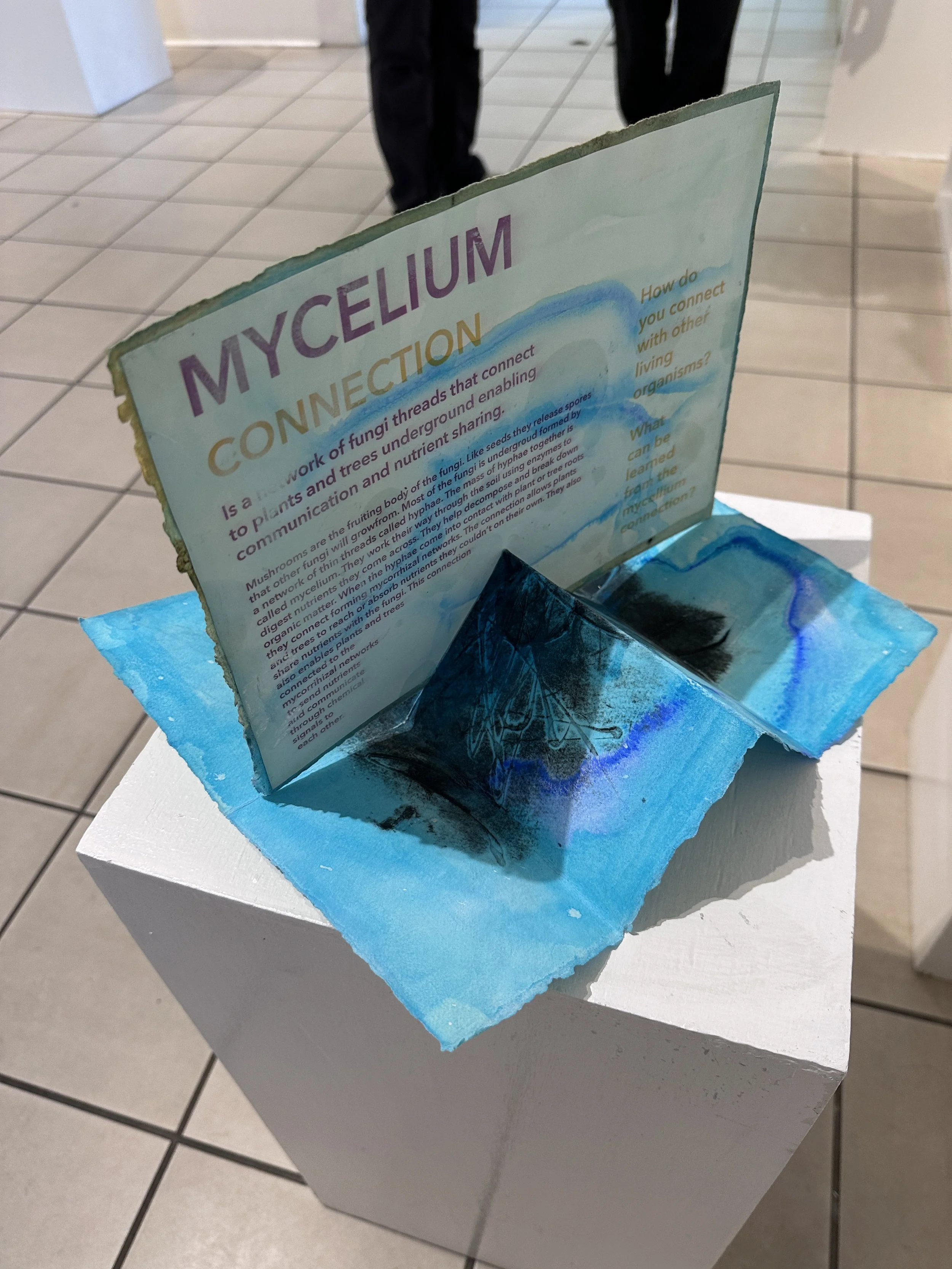
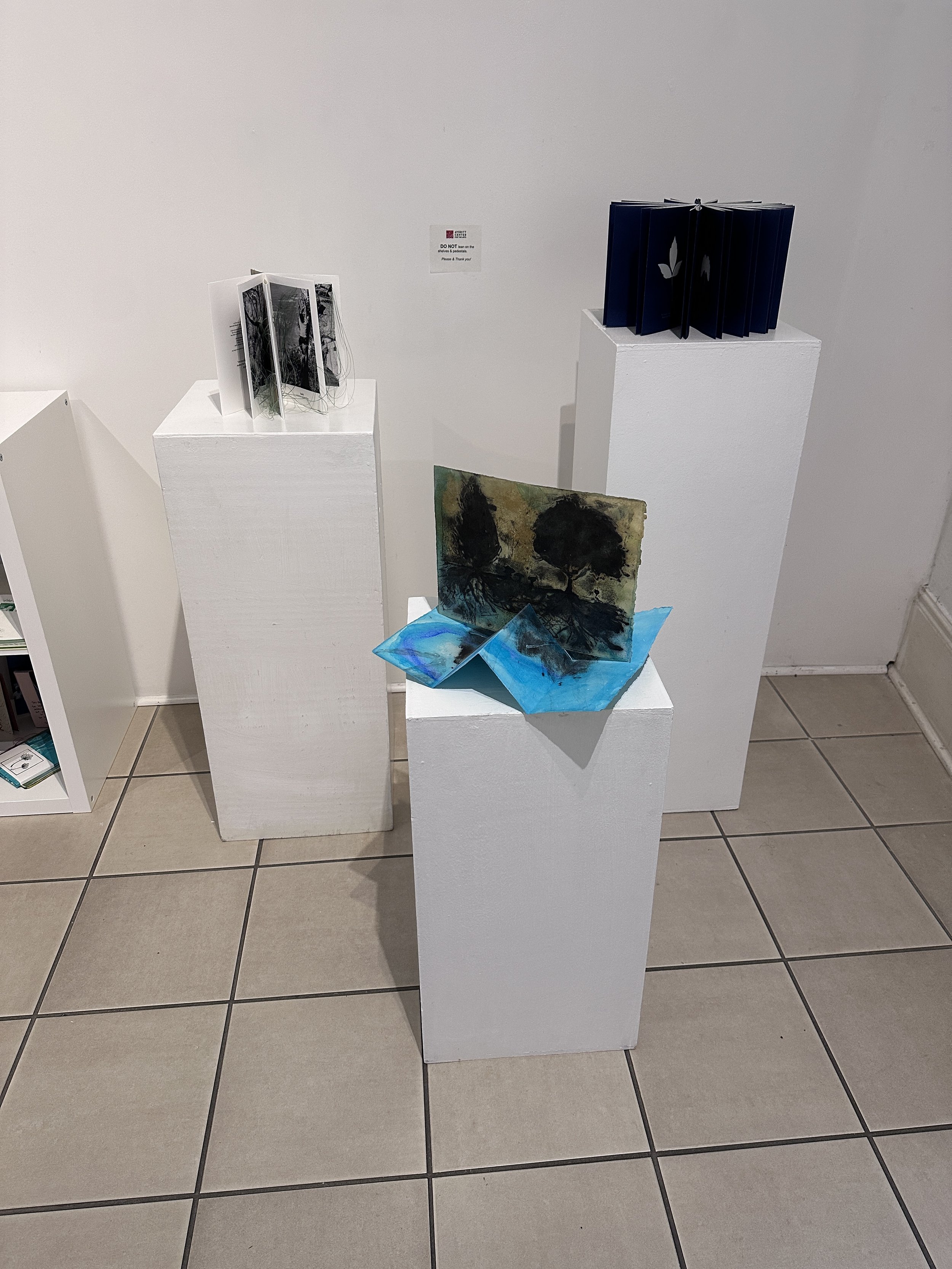
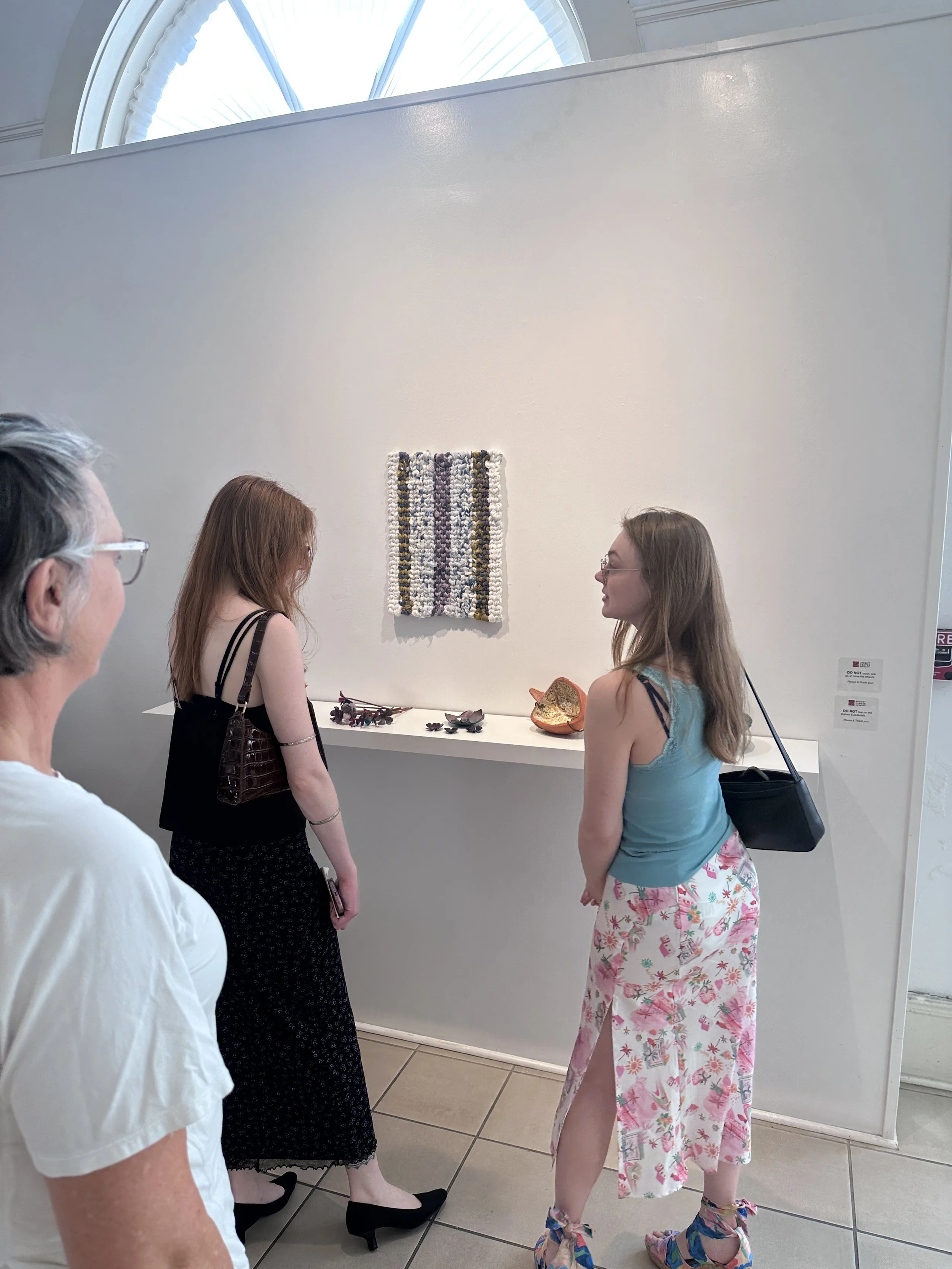
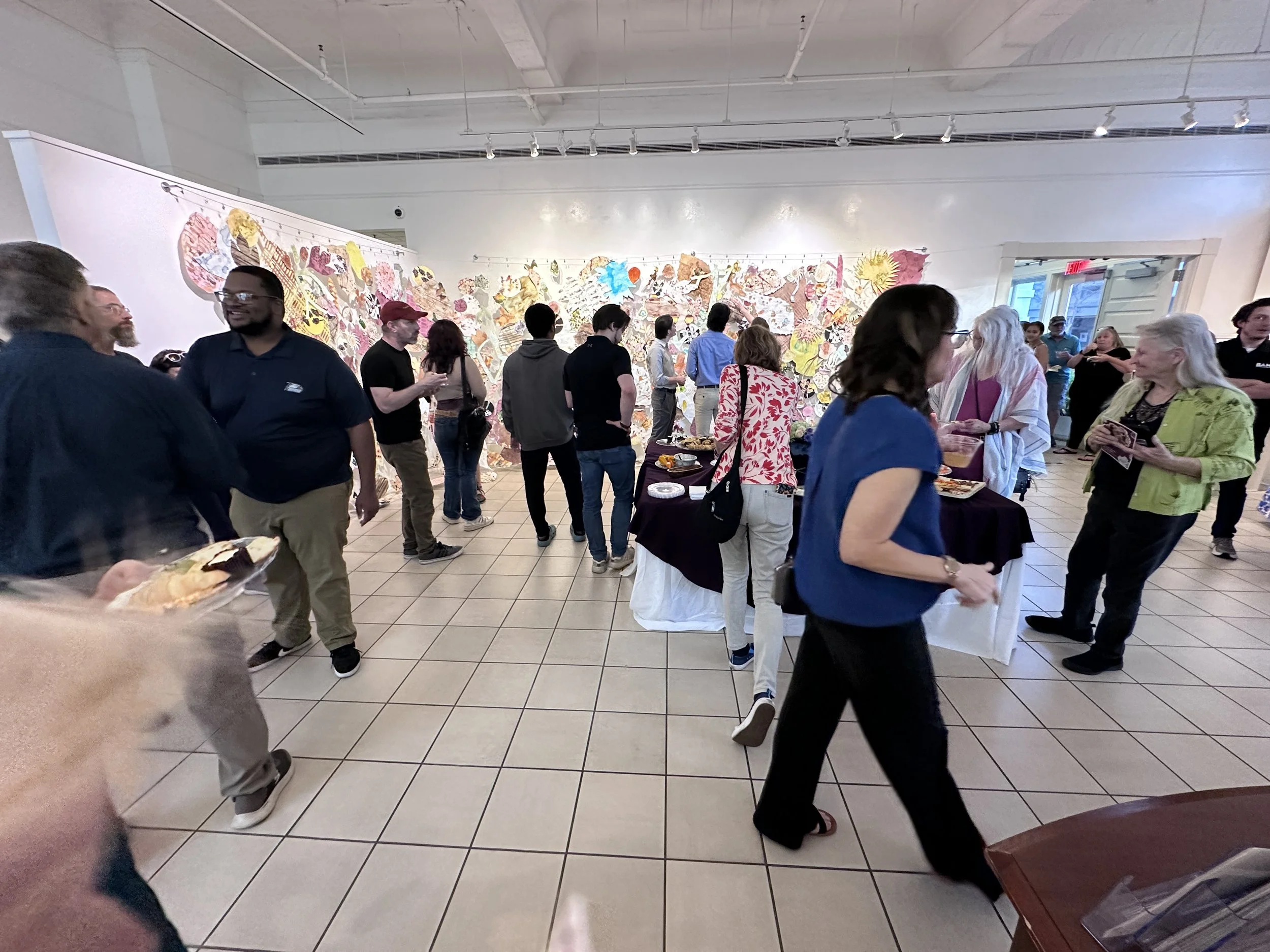
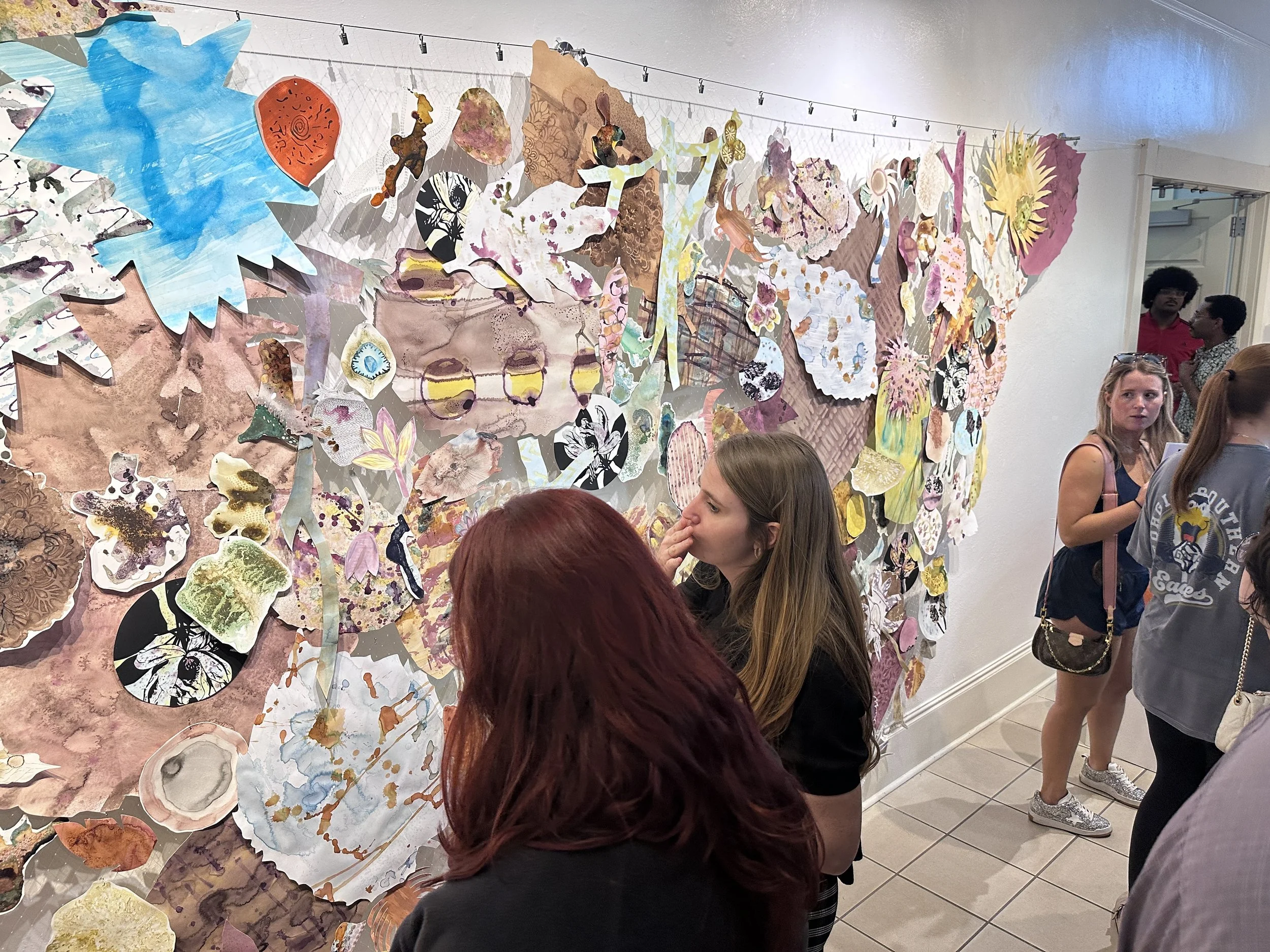
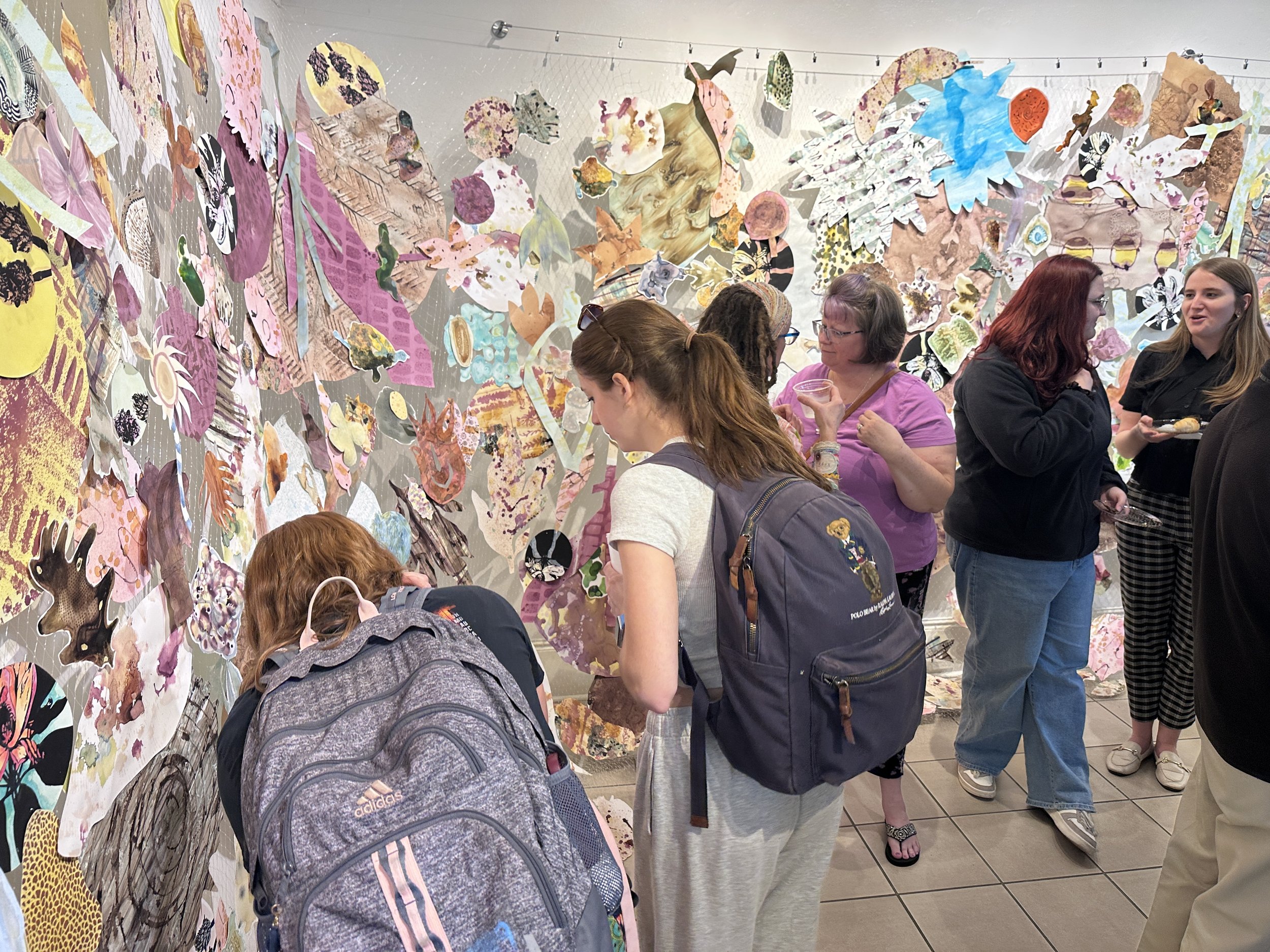
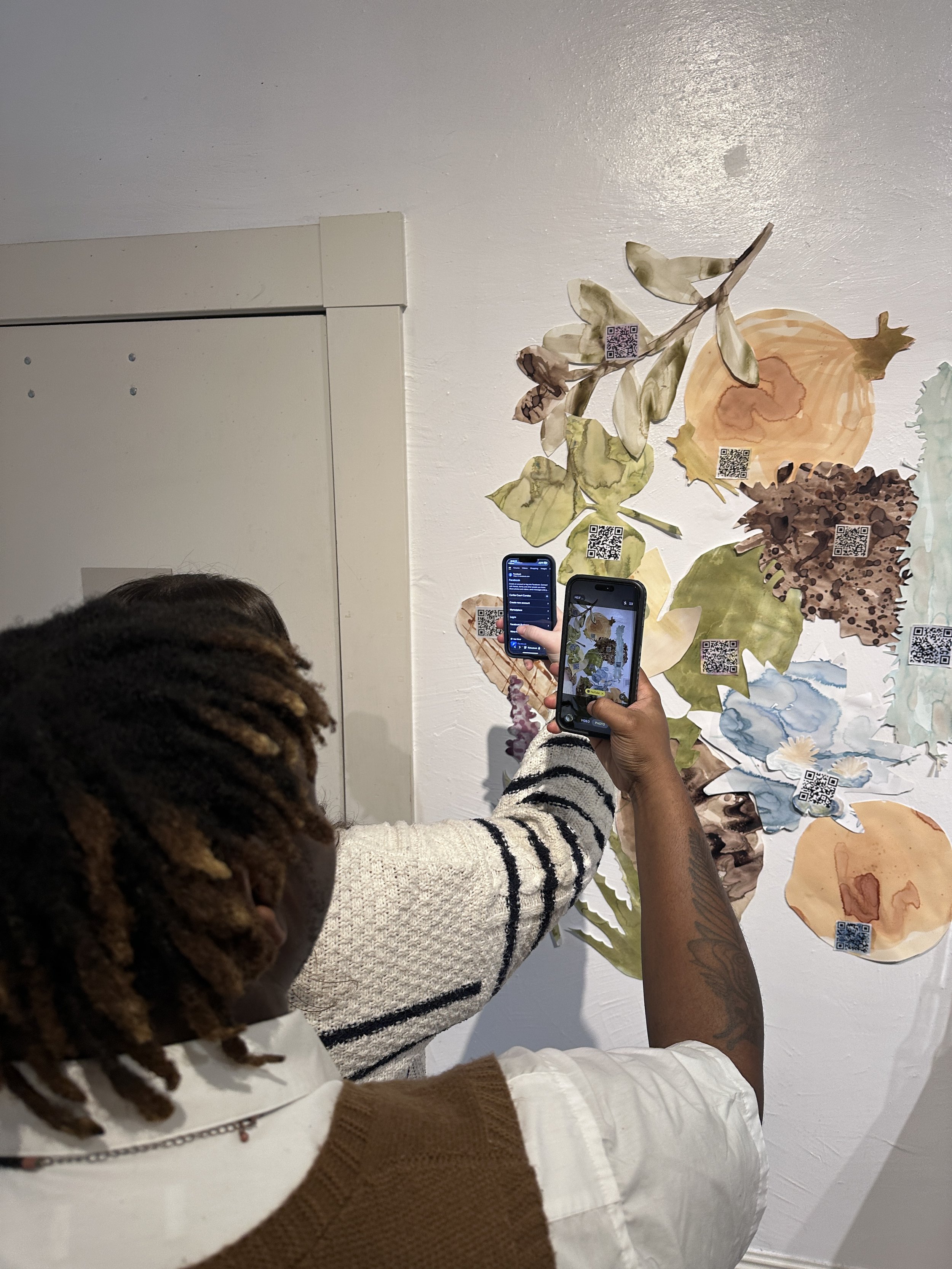
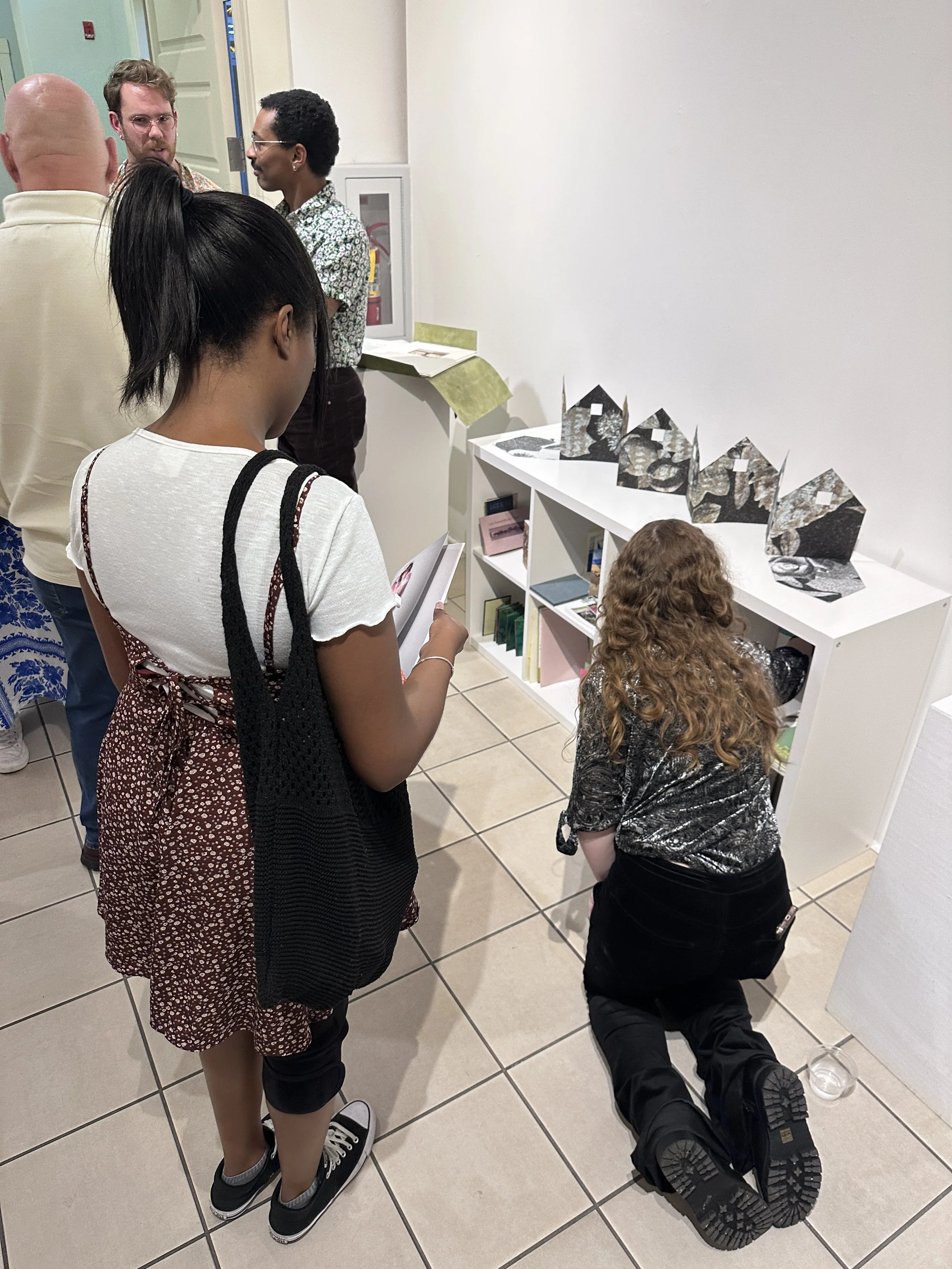
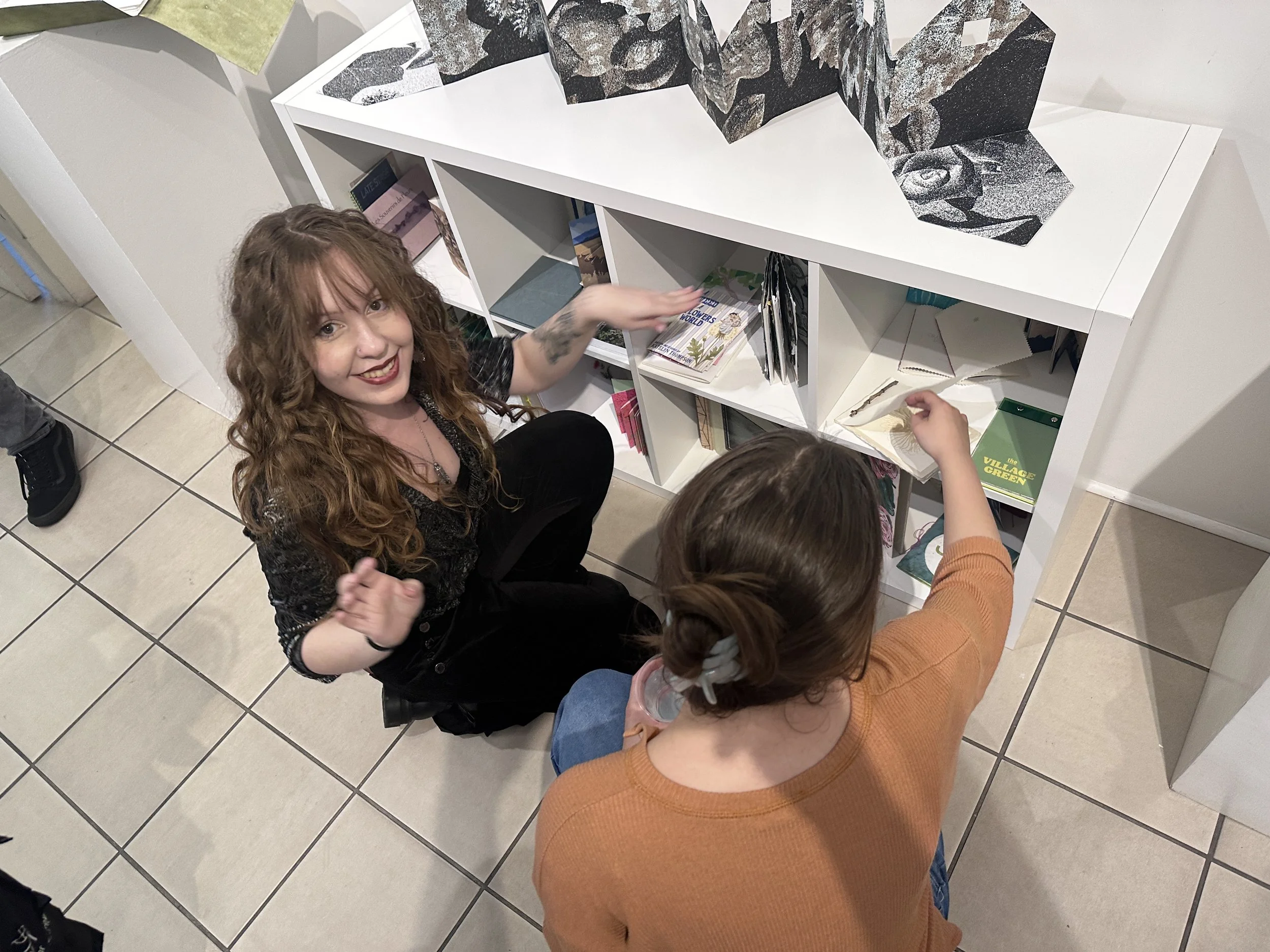
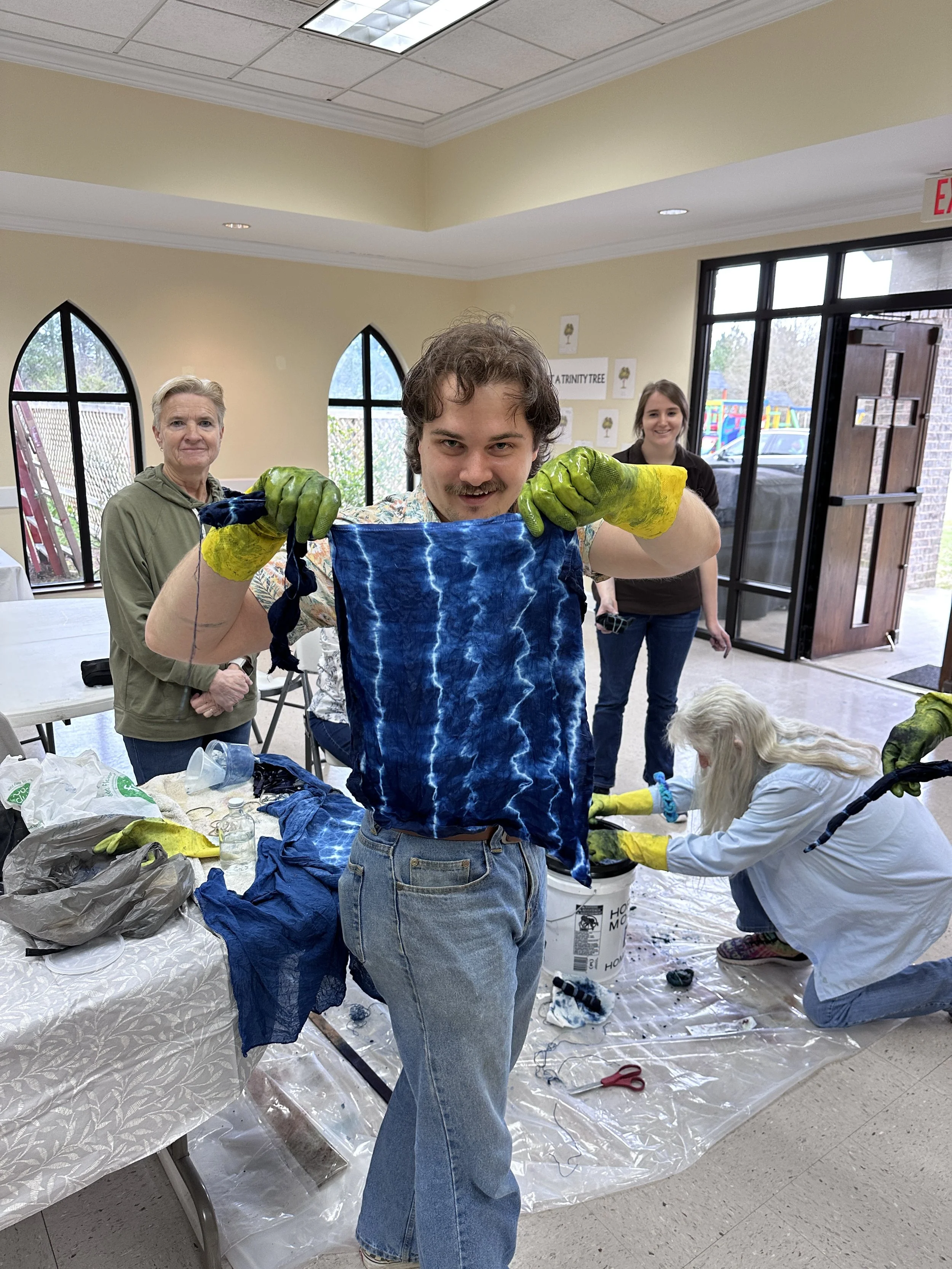
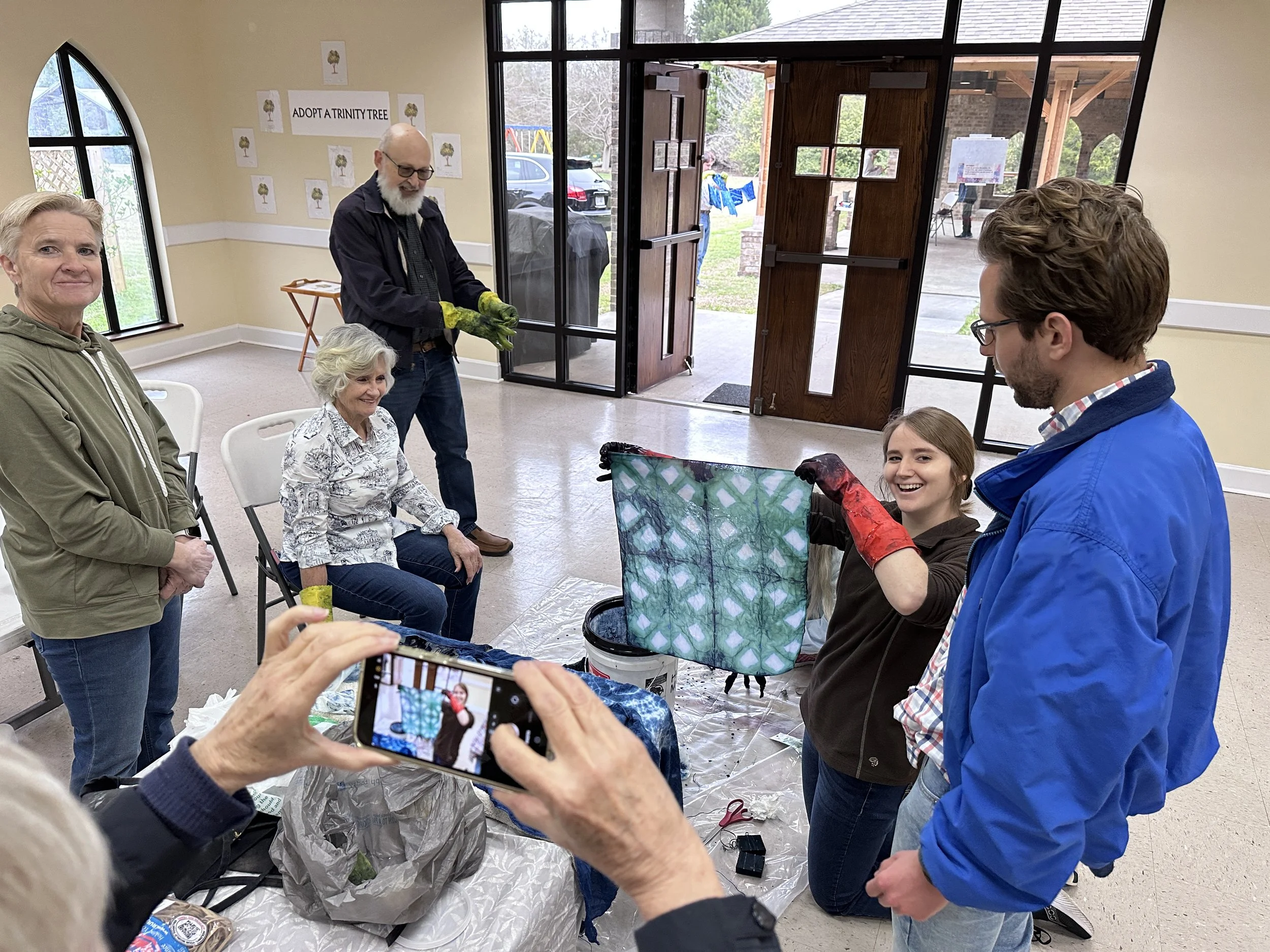
Weed, Seeds, and Wonder was a collaborative project developed at the Averitt Center for the Arts that brought together artists, students, and community members in a shared exploration of plants, place, and stewardship. Created by Melinda and Joseph Ostraff in partnership with the Averitt Center for the Arts and faculty and students from Brigham Young University and Georgia Southern University, the project engaged the broader Statesboro community through workshops, plant walks, ink-making demonstrations, and hands-on studio participation.
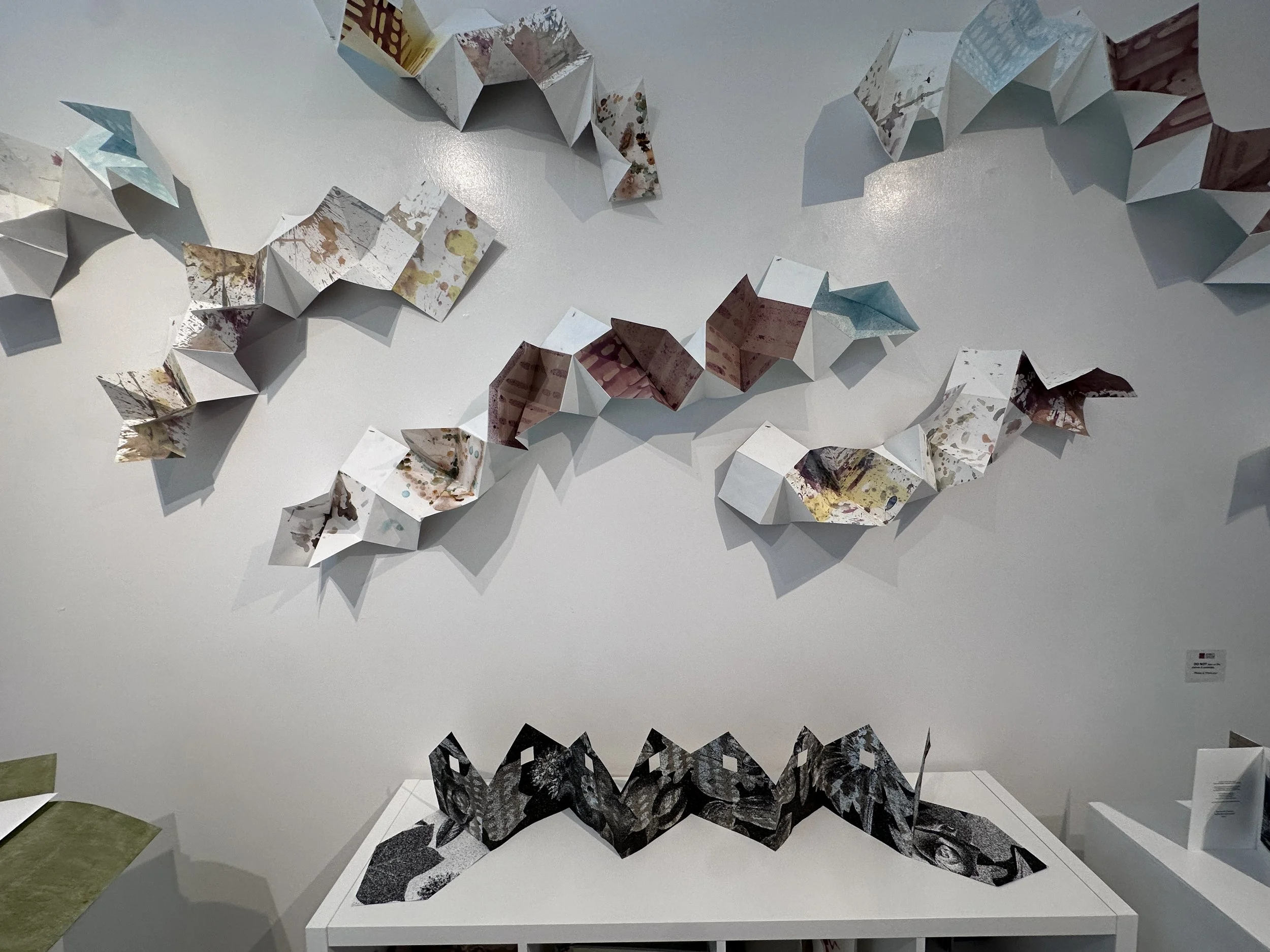
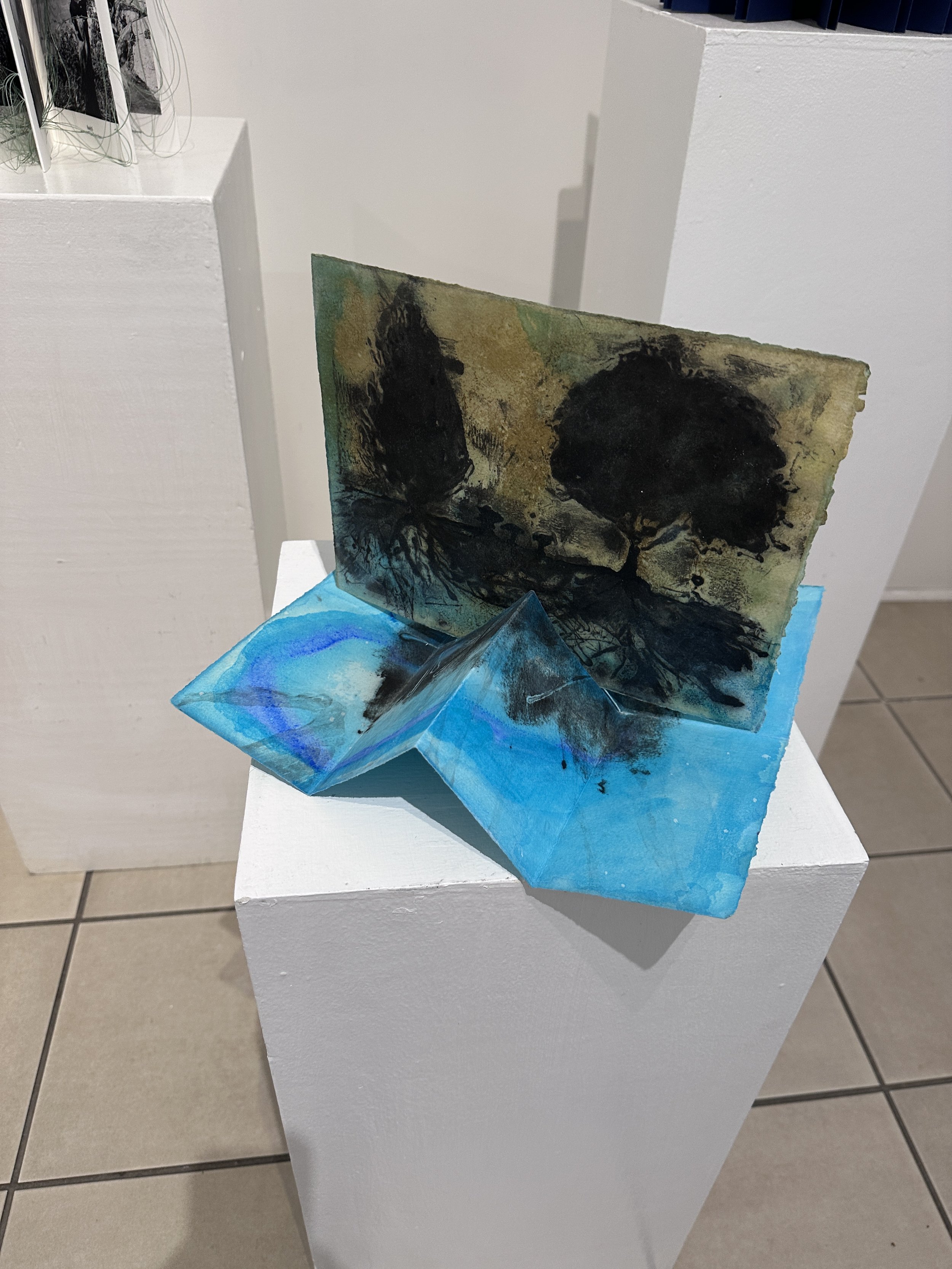
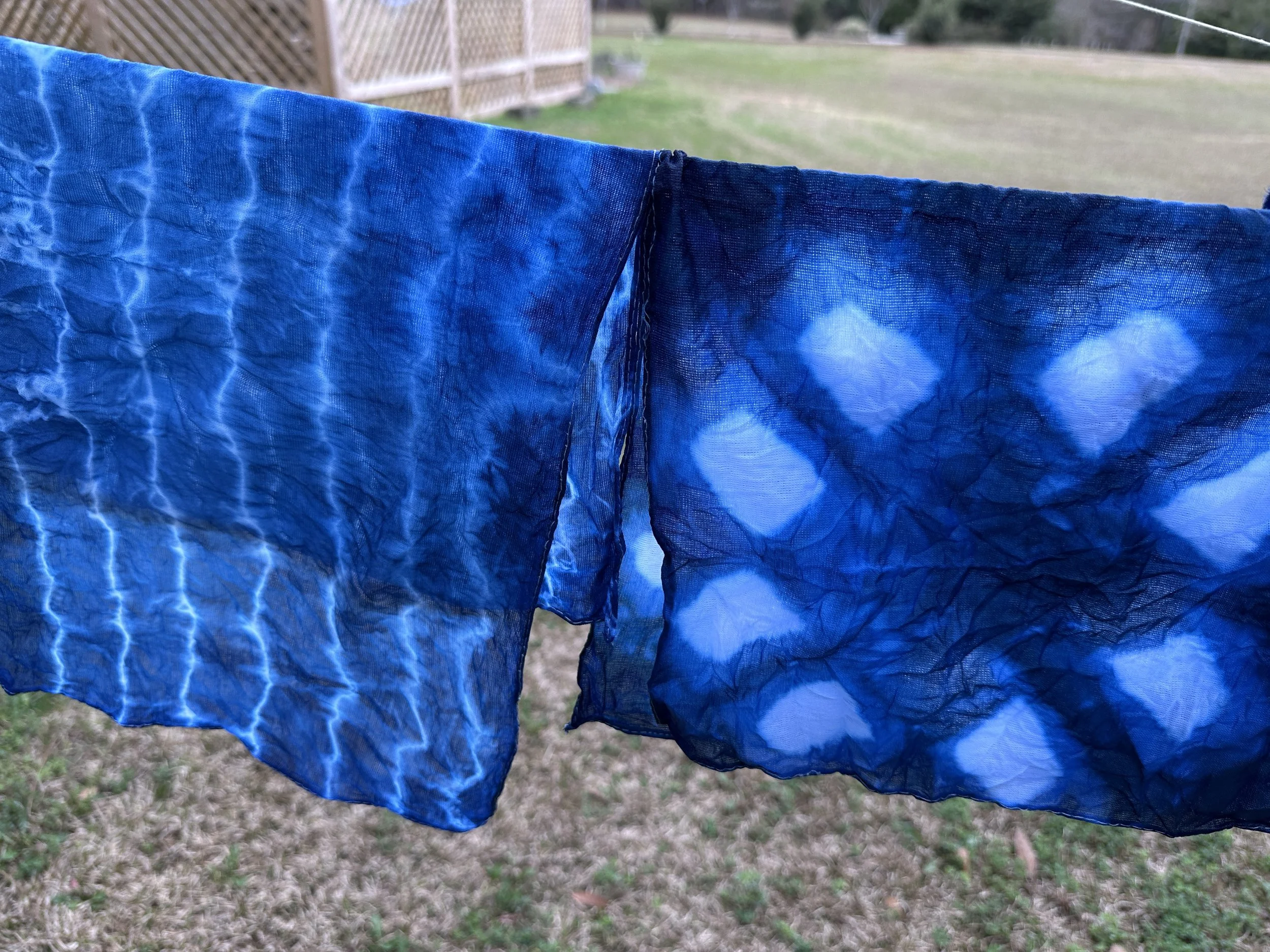
The primary component involved the use of botanical inks and dyes to build an evolving installation. Through shared activities—exchanging stories, gathering plant knowledge, harvesting materials, and contributing marks and textures—the work grew into a layered visual landscape reflecting both the region’s ecological diversity and the people who inhabit it.
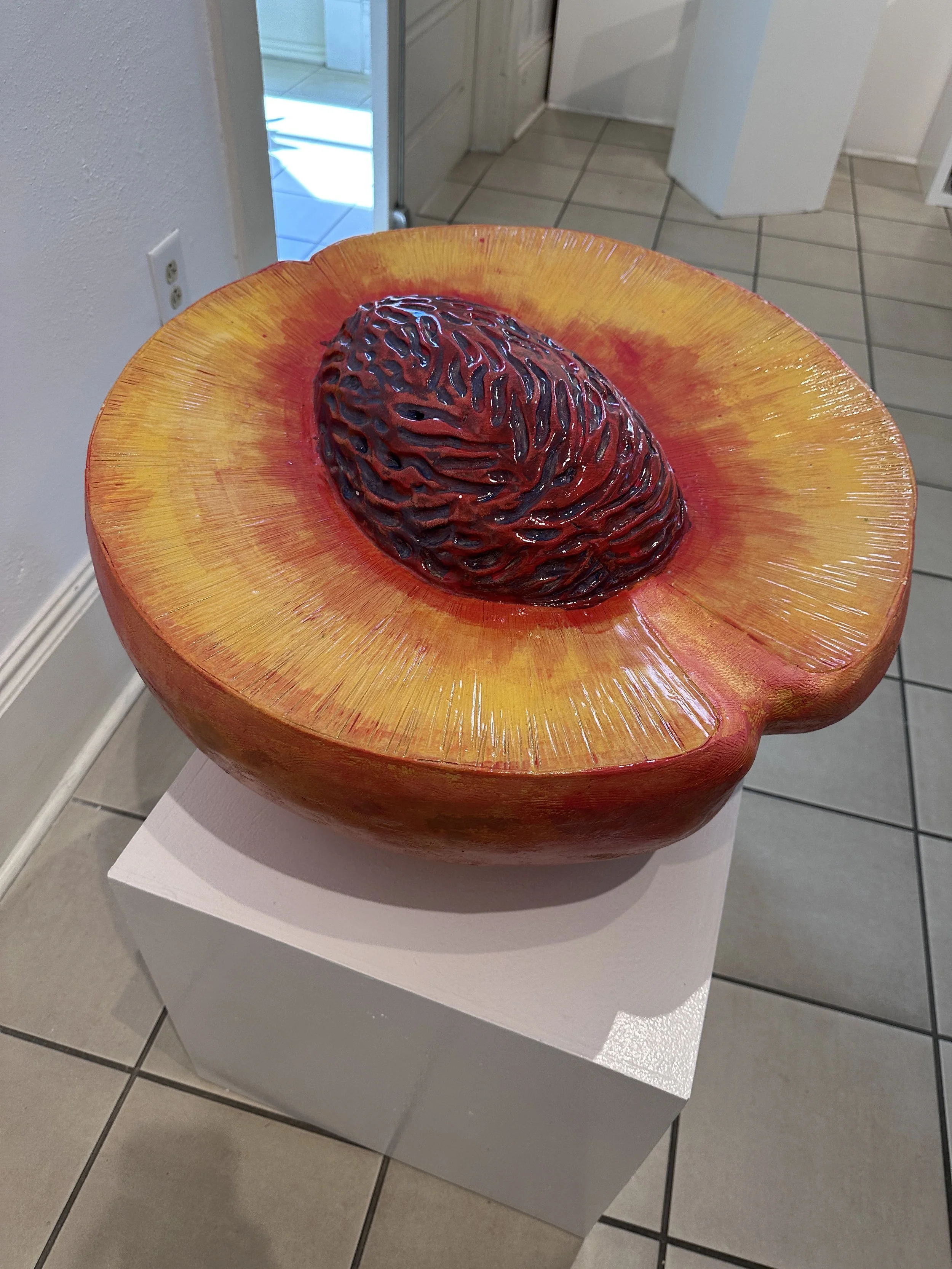
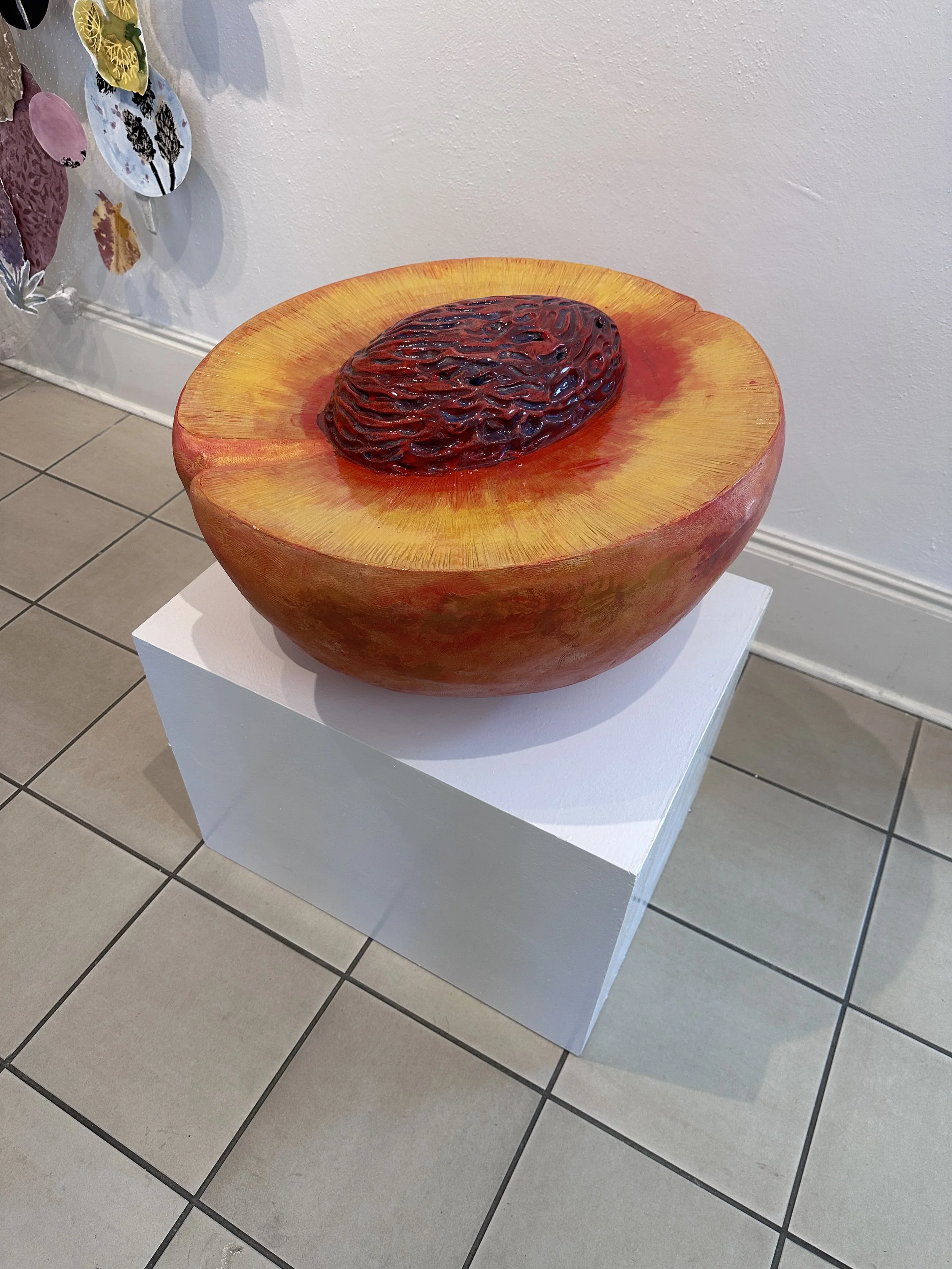
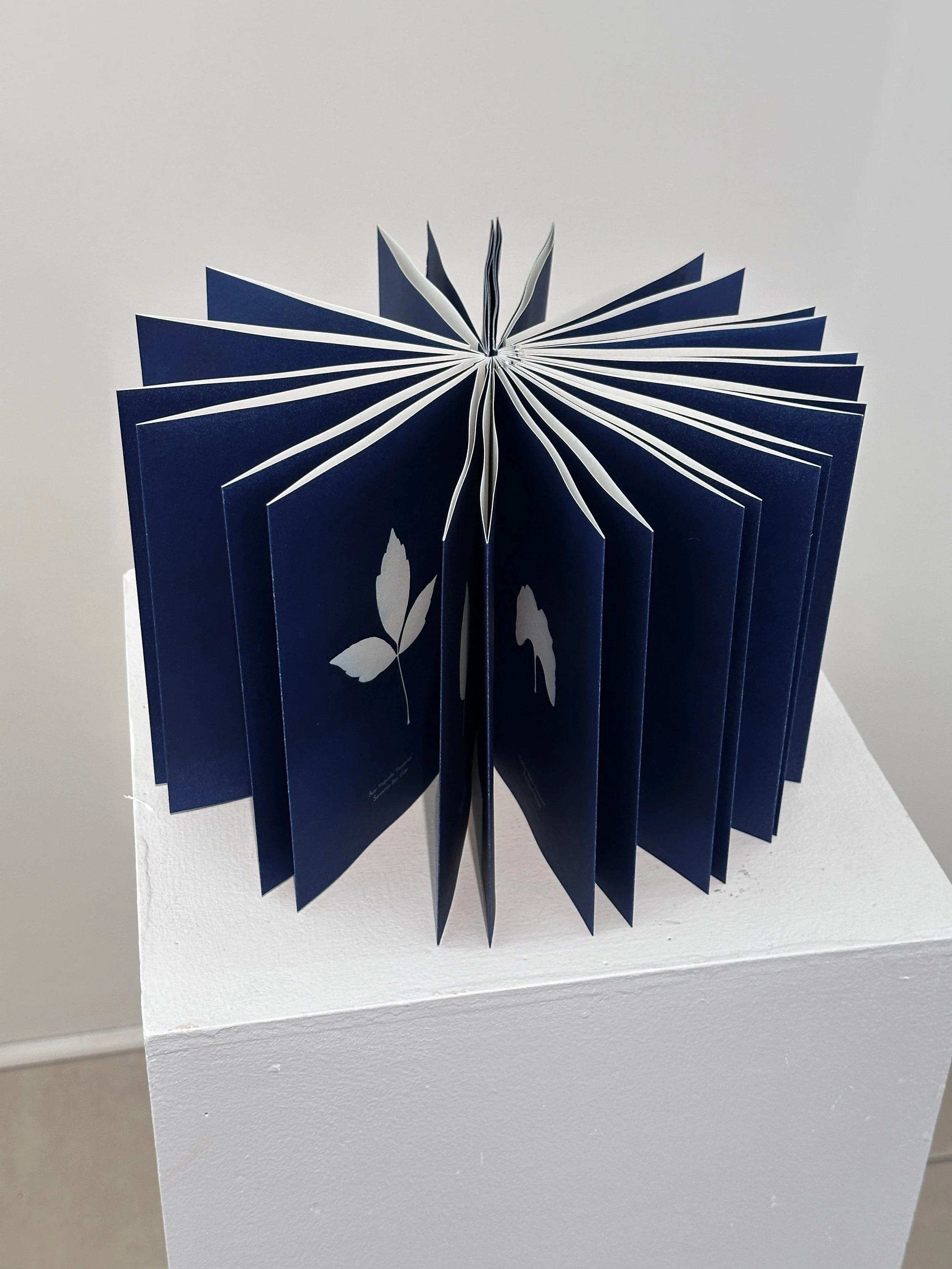
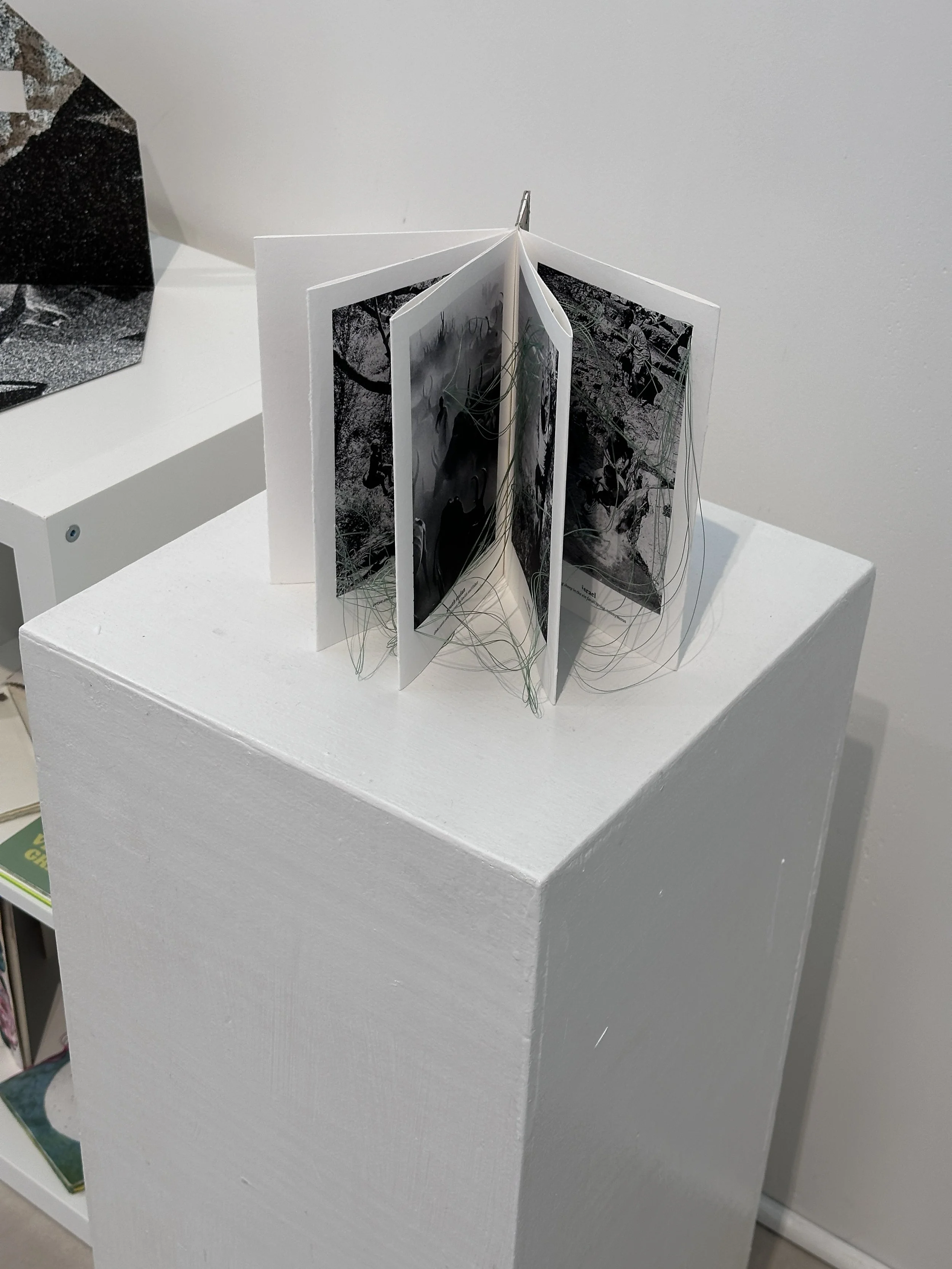
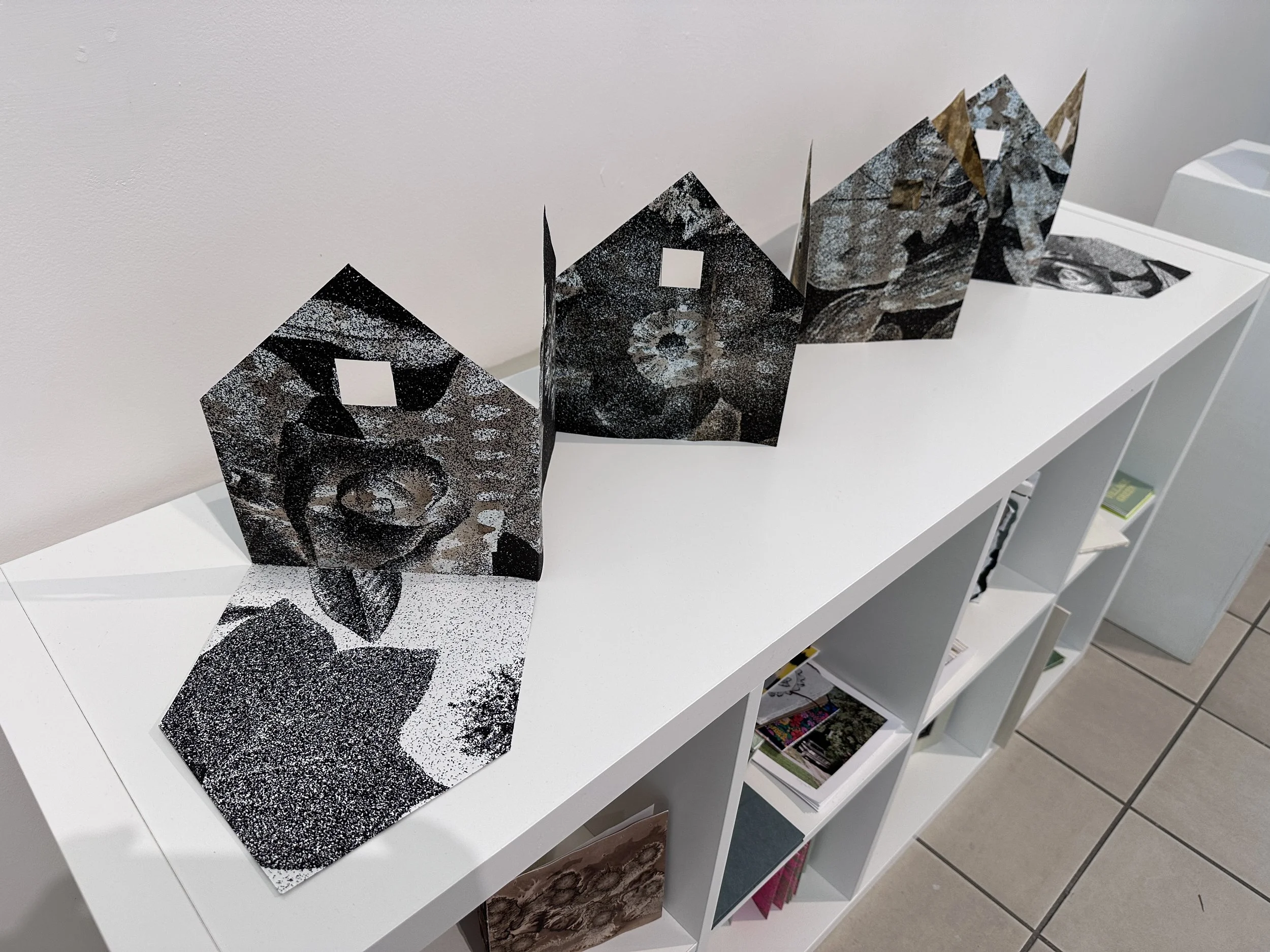
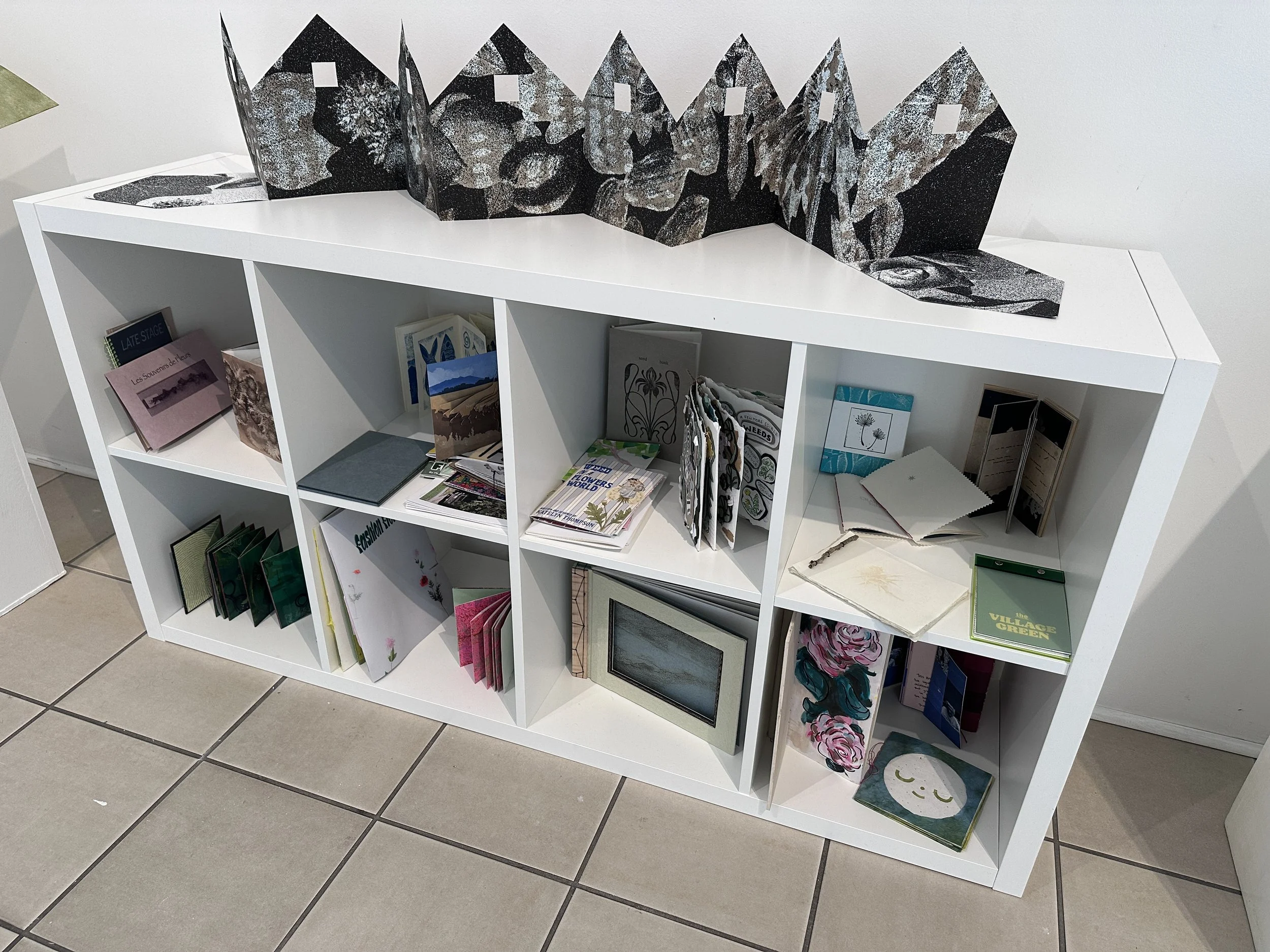
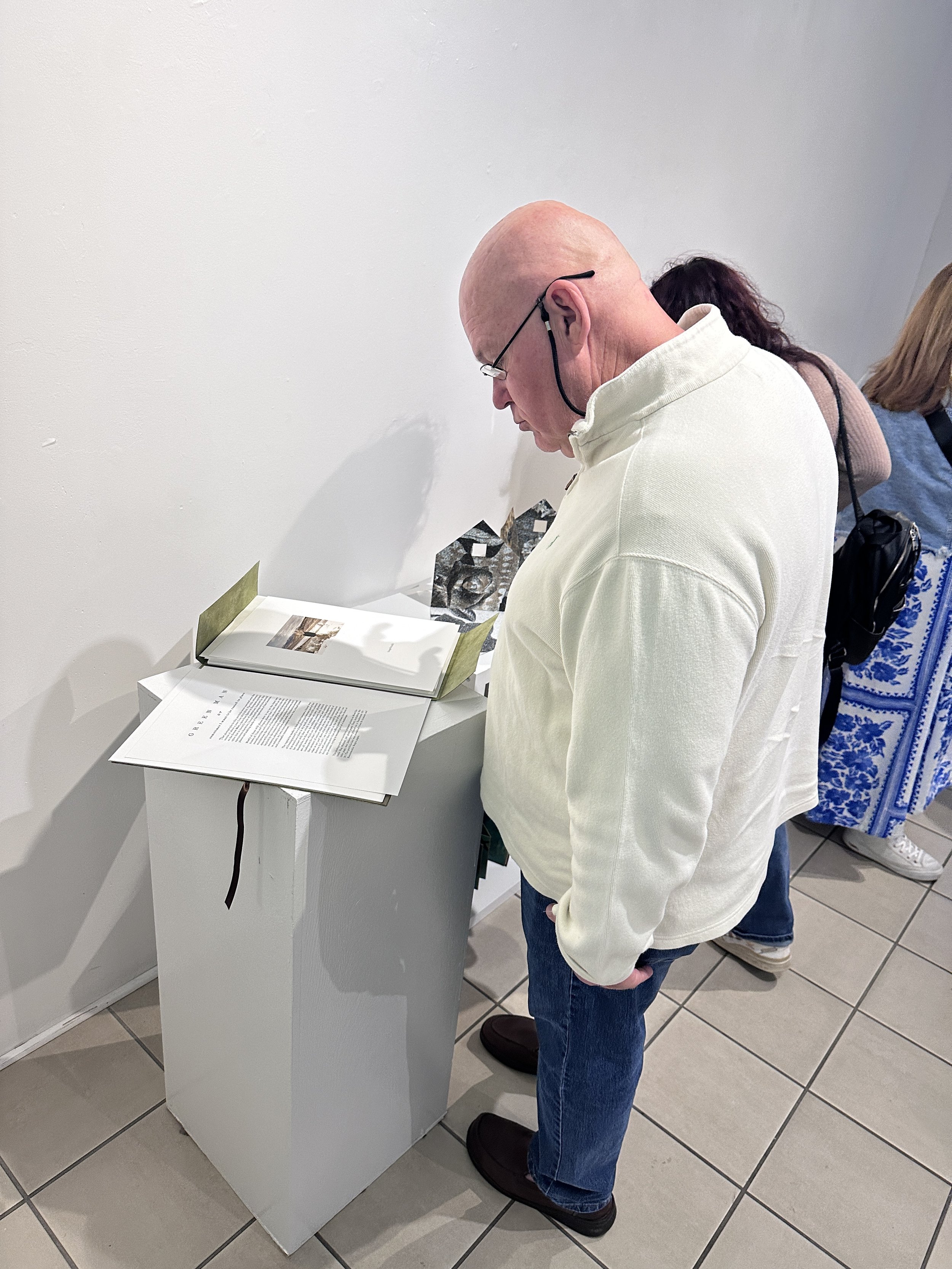
Book structures and 3D objects were integrated within the installation as portable archives. Unlike the expansive sweep of the wall works, these objects compress time into sequences of pages and forms—indexes, fragments, and accumulations that can be held, opened, and reordered—echoing scientific field notebooks and archaeology.
Community participation formed the foundation of the installation. Contributions from residents of the greater Statesboro area were woven directly into the work, making the final piece a record of shared experience and local knowledge. Over time, the installation came to resemble a metaphorical seed bank or living archive—evoking greenhouses, arboretums, and informal gardens—where each story, plant specimen, or gesture of color became part of a collective act of cultivation and care for the region’s biodiversity. More than two hundred people participated directly in the development of the installation.
Common Steps and Variable Journeys
An art practice designed for daily application as part of artist residencies or community-based installation projects. This initial venture serves as a prototype for future, more extensive projects.
Basic Idea
Reinterpreting the familiar phrase "Walk a Mile in Someone Else's Shoes," we invited people to share their journeys, allowing us to step into their experiences for a brief and fleeting moment.
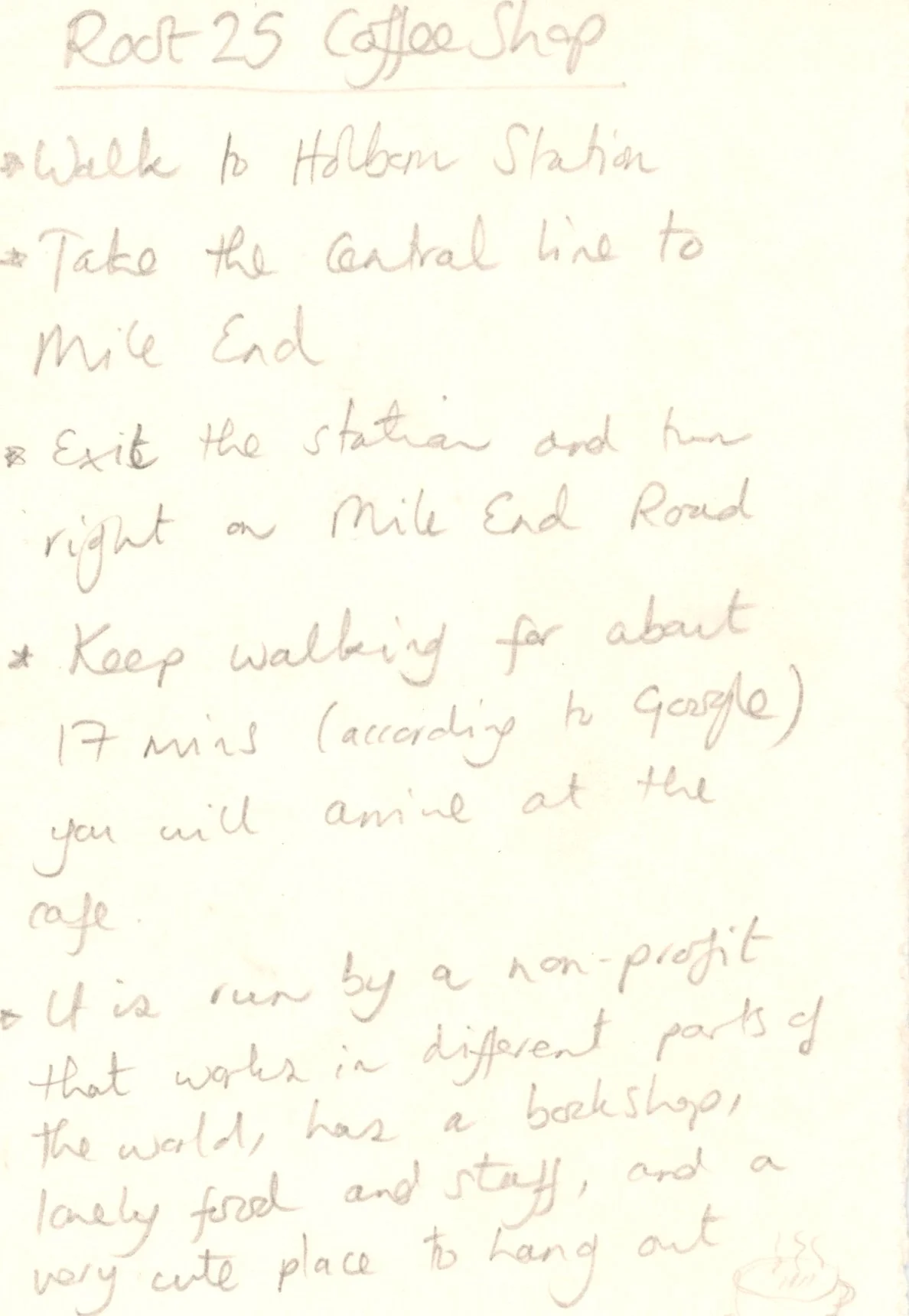
This project focused on mapping and exploring routes provided by others. Participants submitted directions on a 4” x 6” card, and we followed these instructions, documenting the journey and recording the final destination.
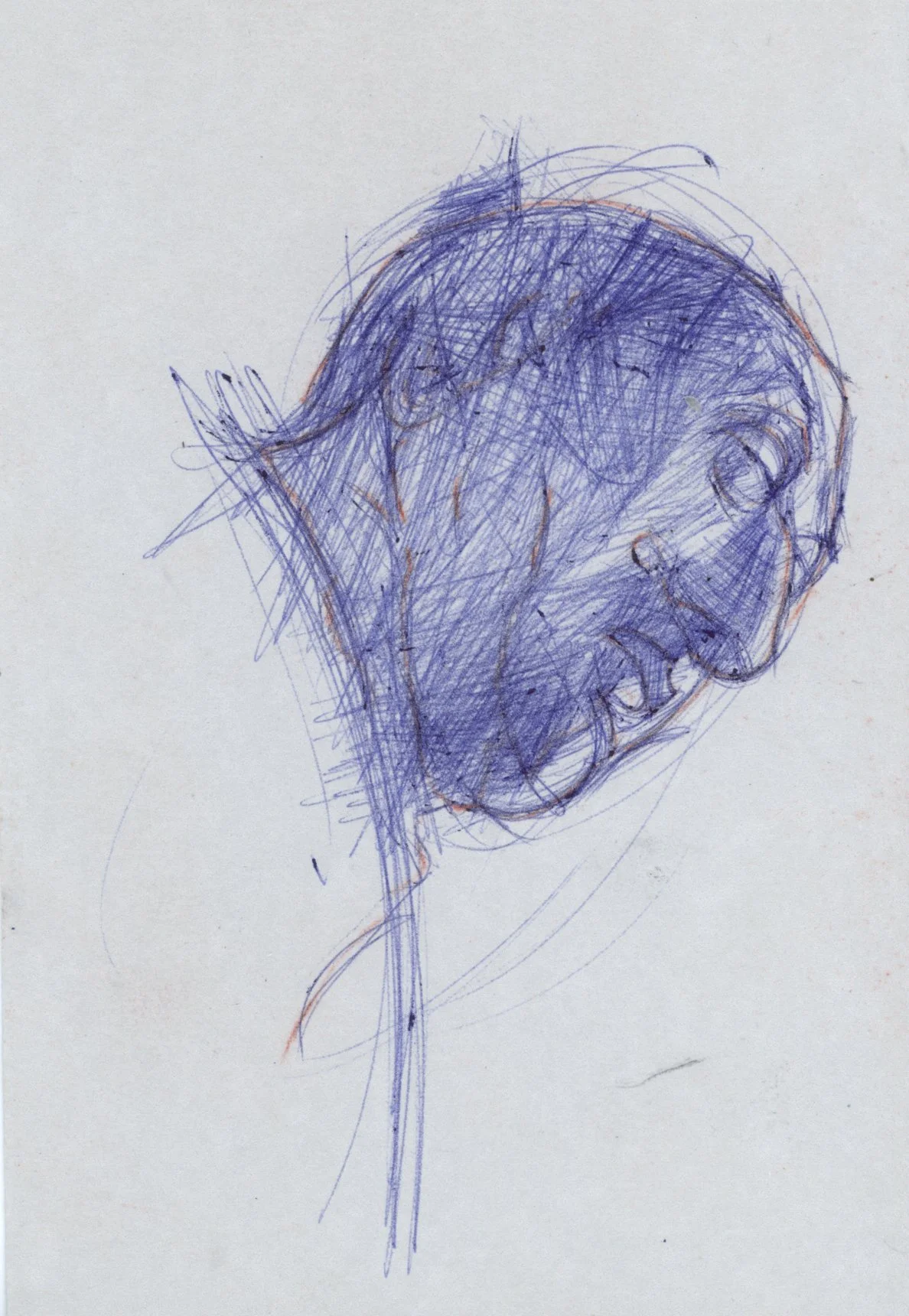
Delving into each journey, we responded to the physical experience and its associated stories through various methods including GPS tracking, text collected from conversations overheard while walking, drawing, collage, painting, etc. Engaging in conversations was central to our approach. A civil conversation—one without contention, marked by respectful exchanges of ideas. However, this brief London encounter revealed a distinction between casual discussions about the weather or asking for directions and requesting someone to share a destination personally significant to them. Such a request became an act of generosity, as it required consideration and emotional investment.
Over ten days, we pursued these leads, documenting and responding to each journey. These initial responses formed a databank of experiences that will serve as the foundation for a deeper, more extended exploration.
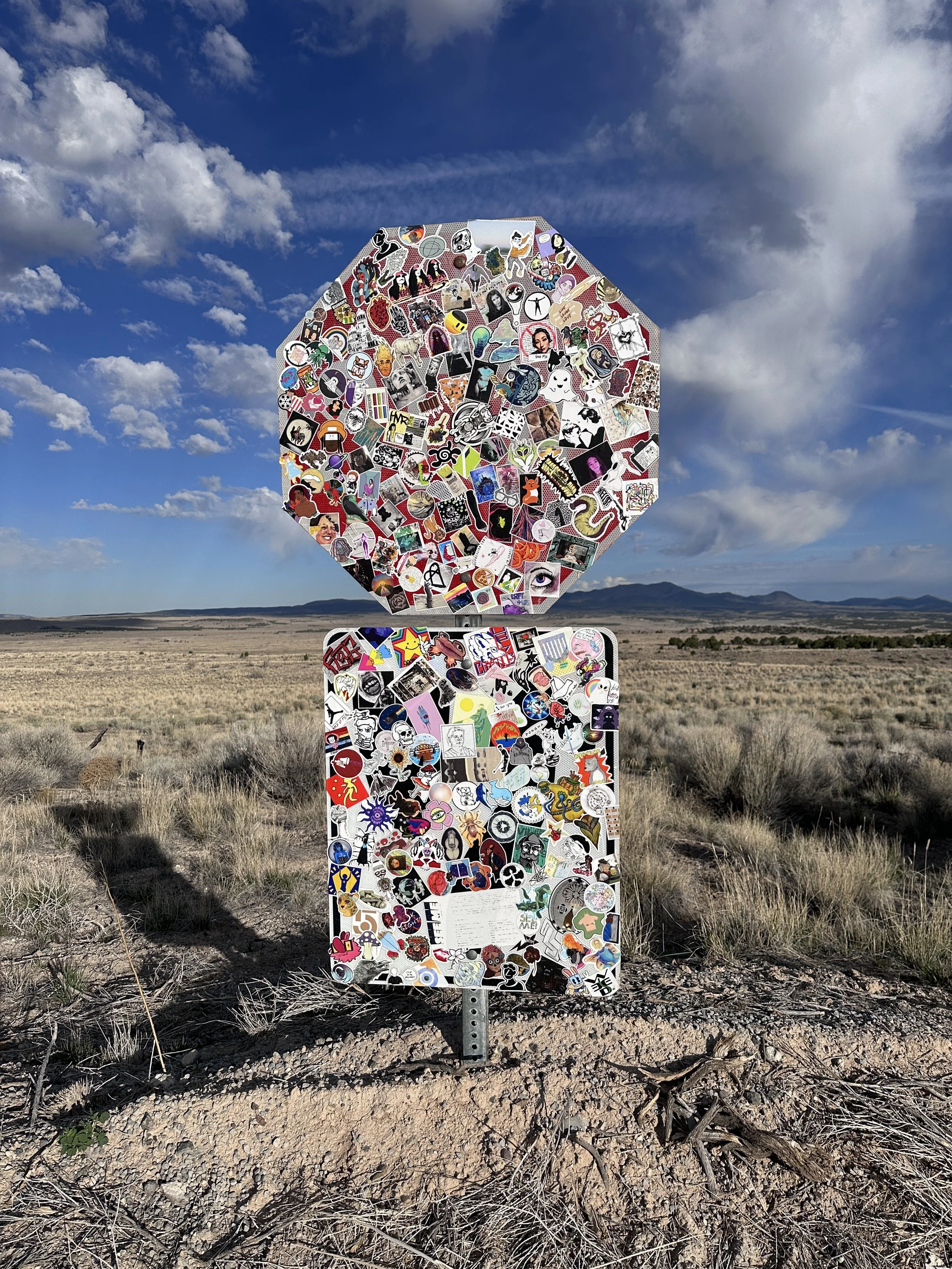
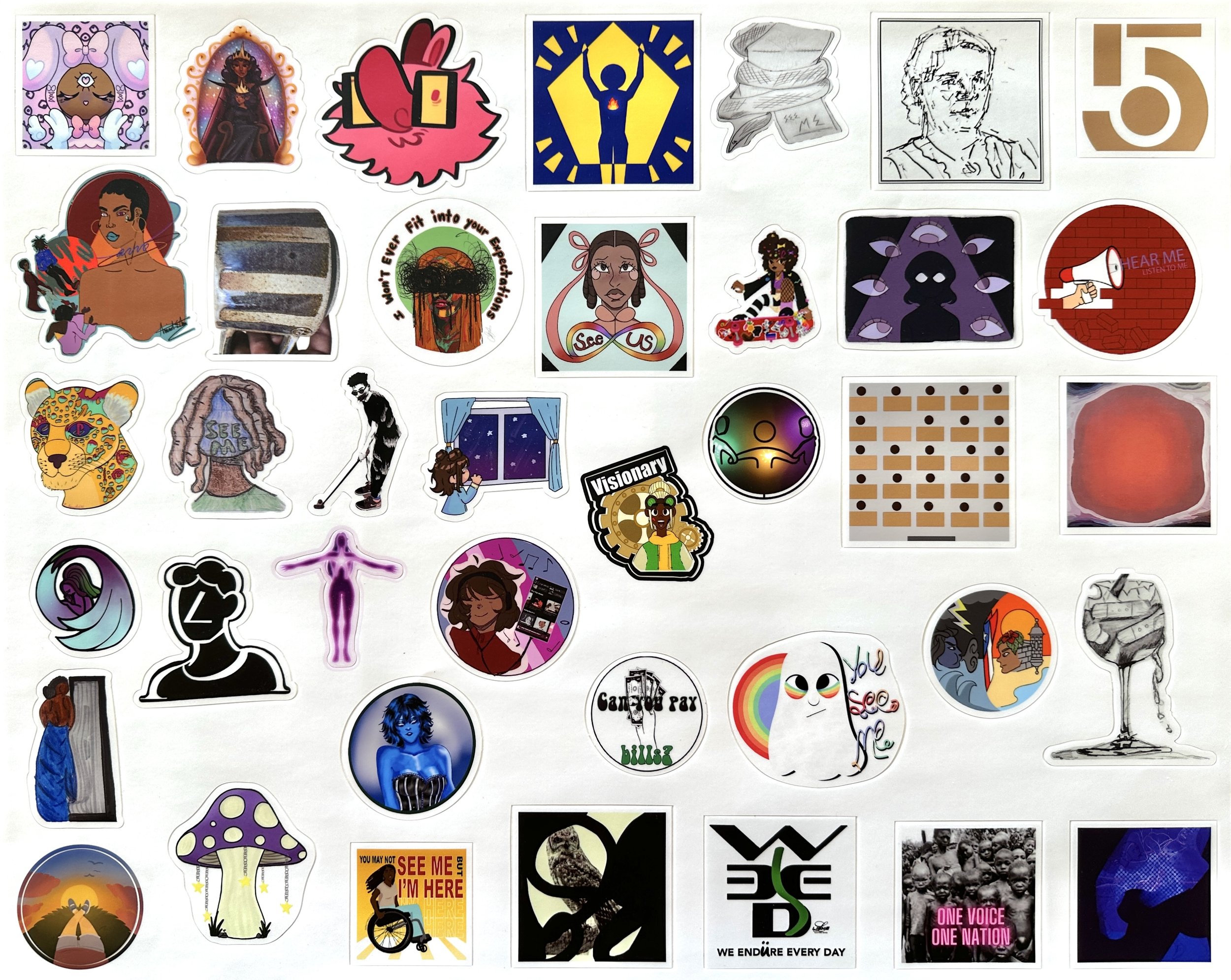
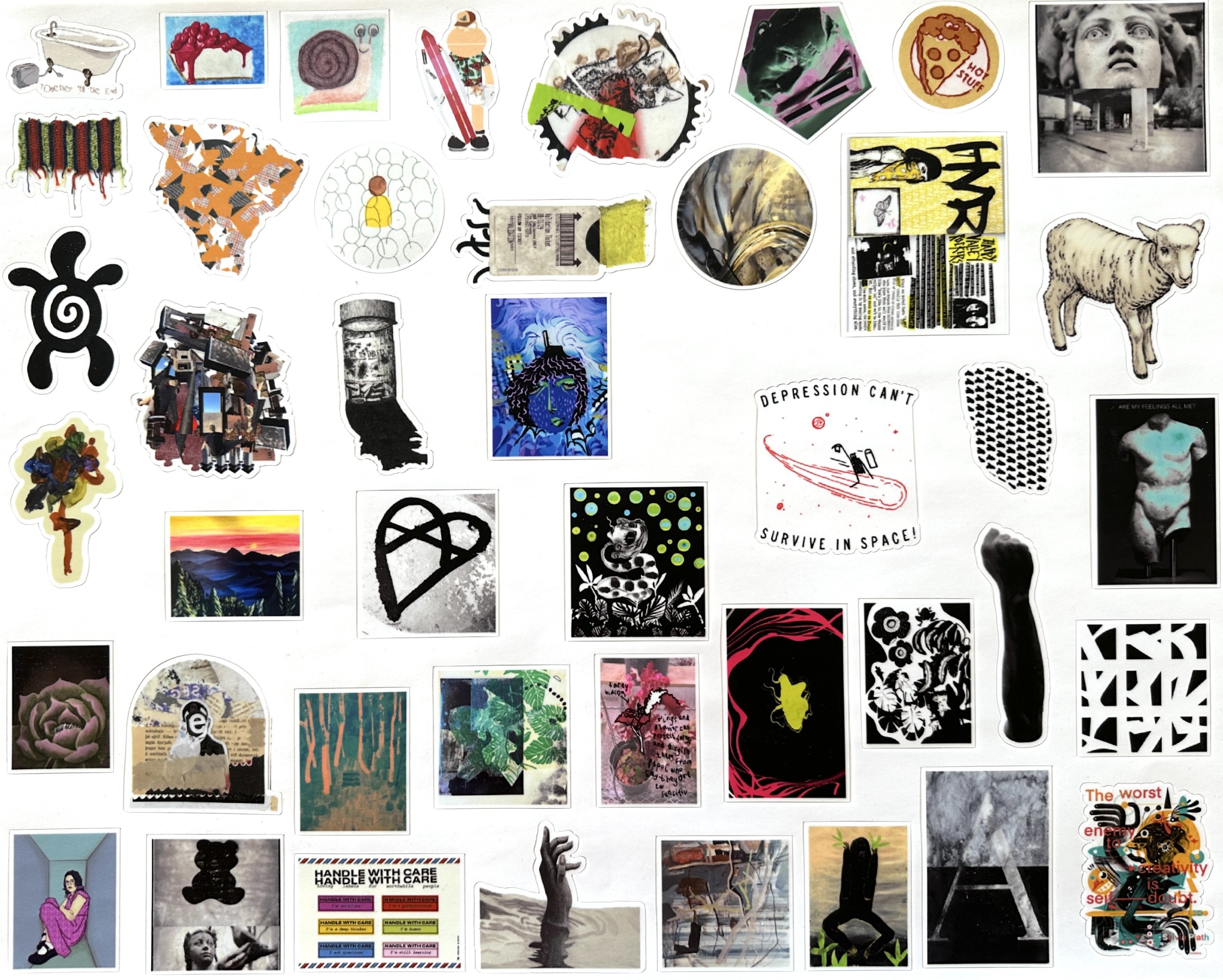
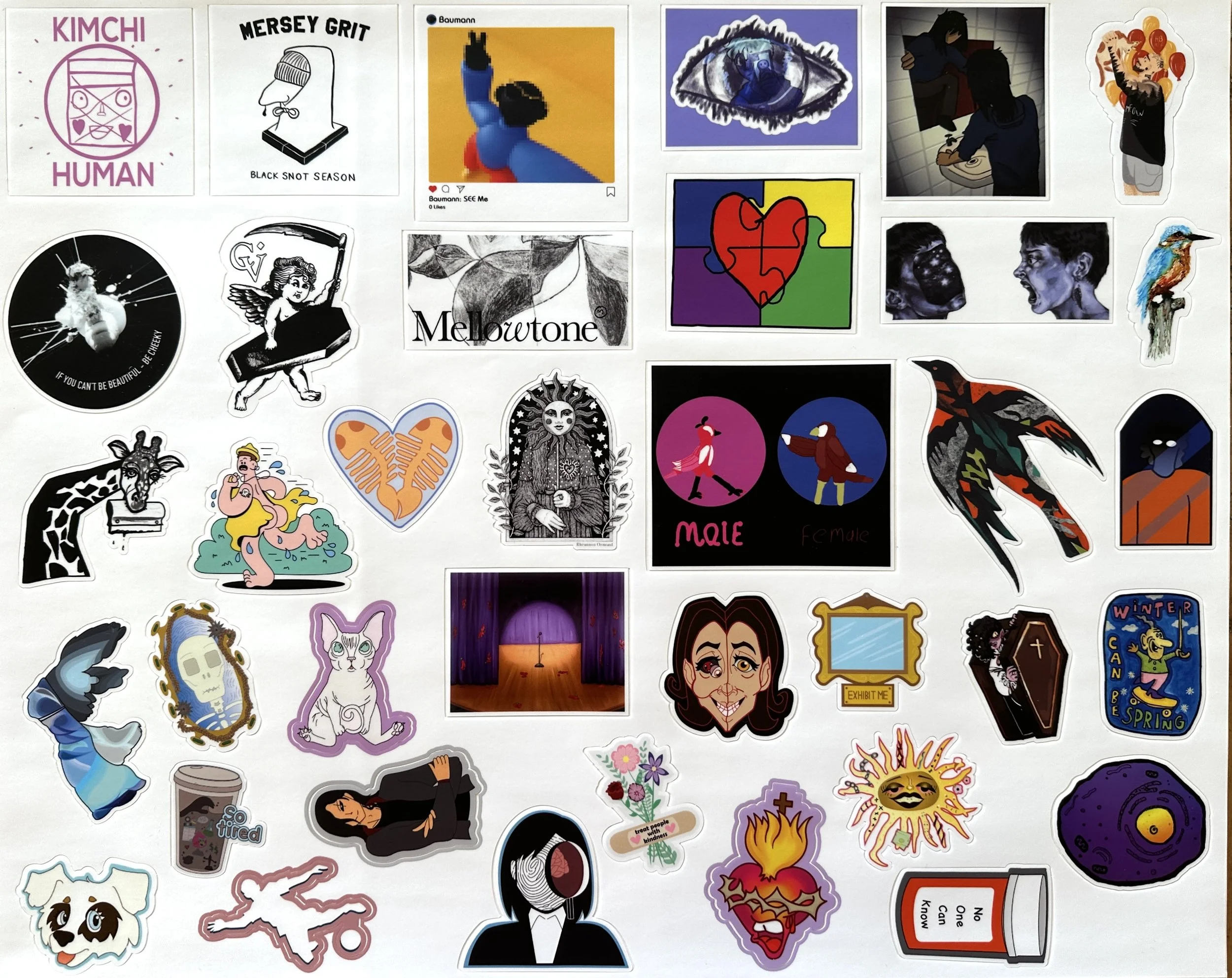
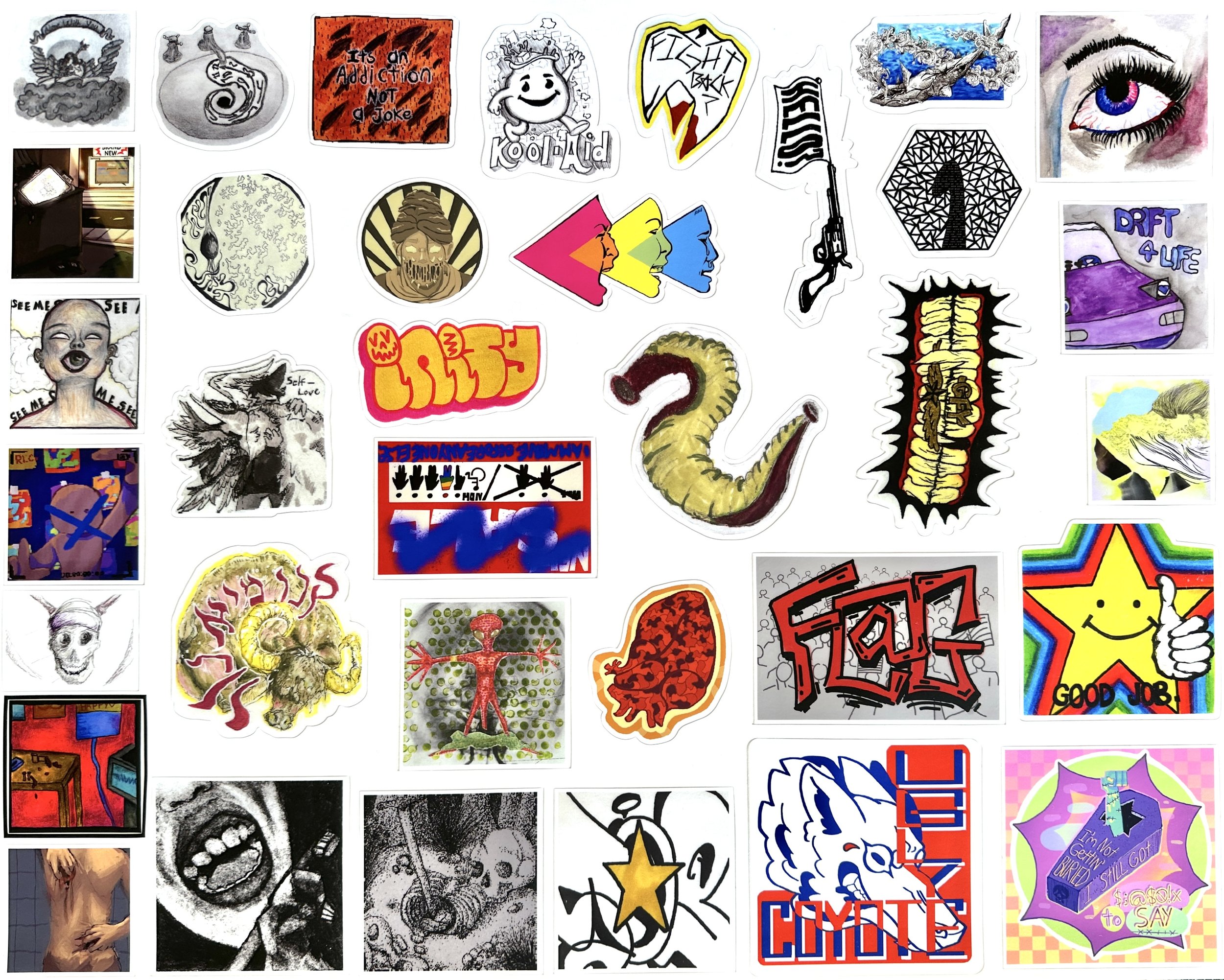
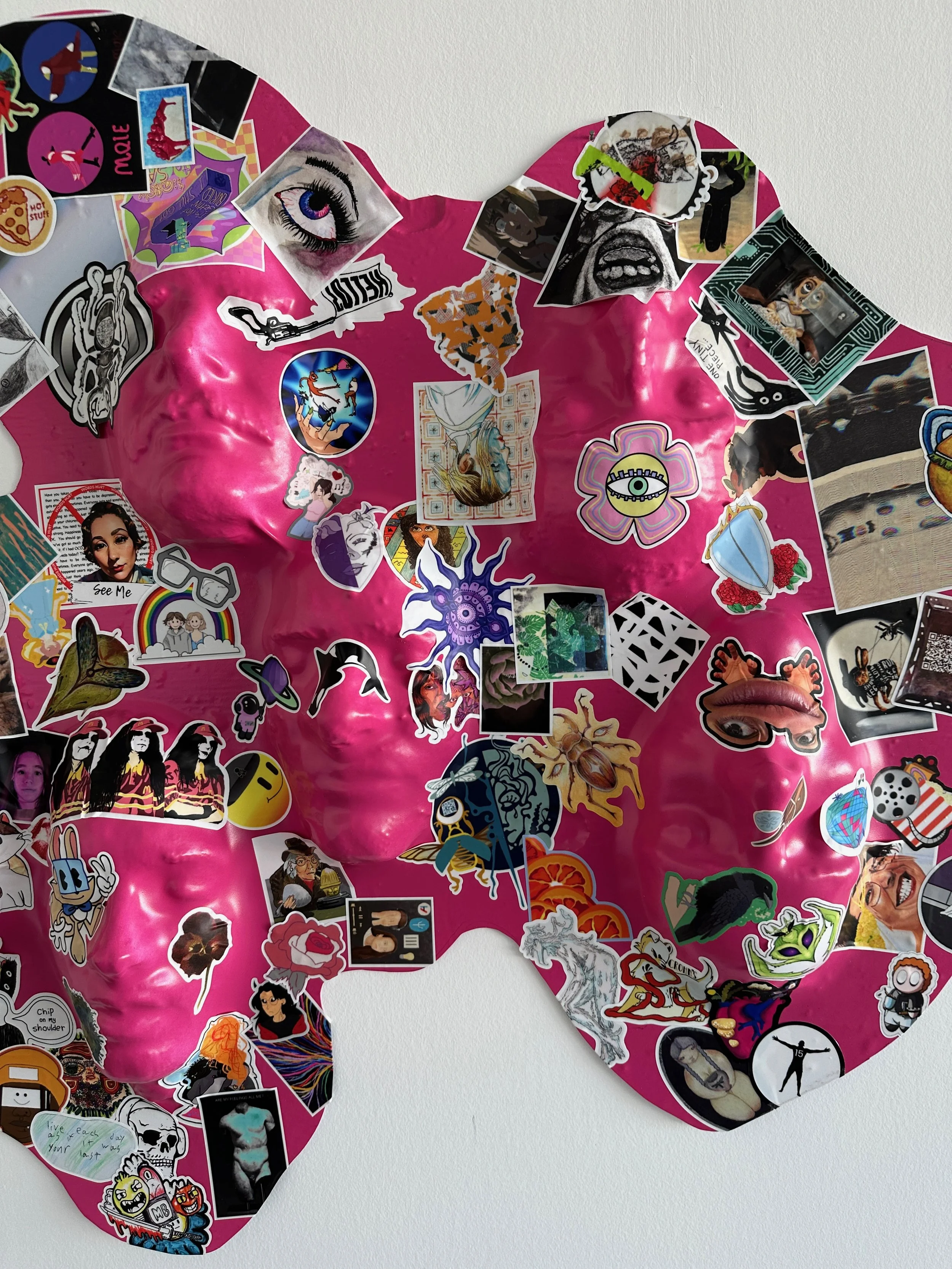
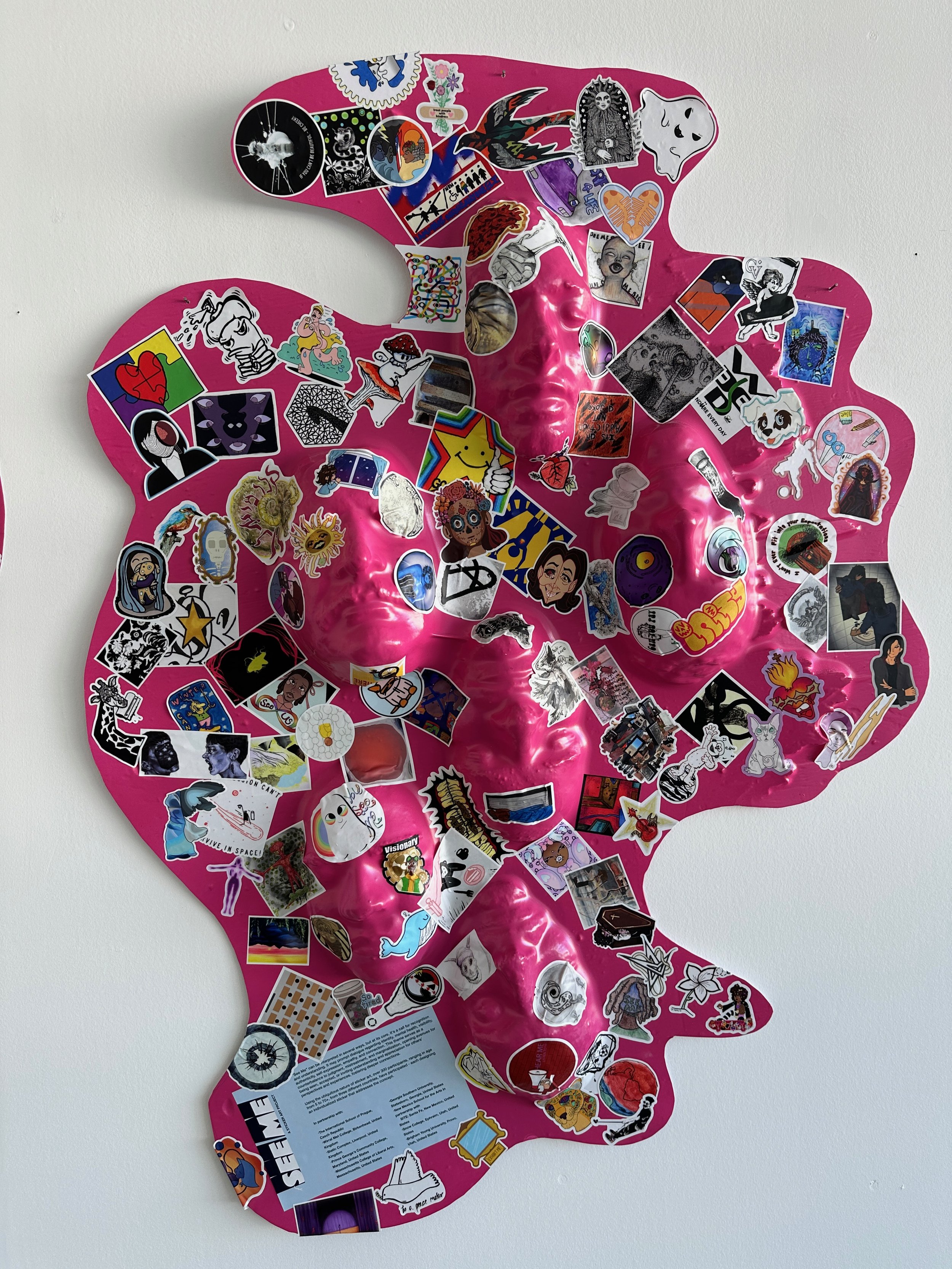
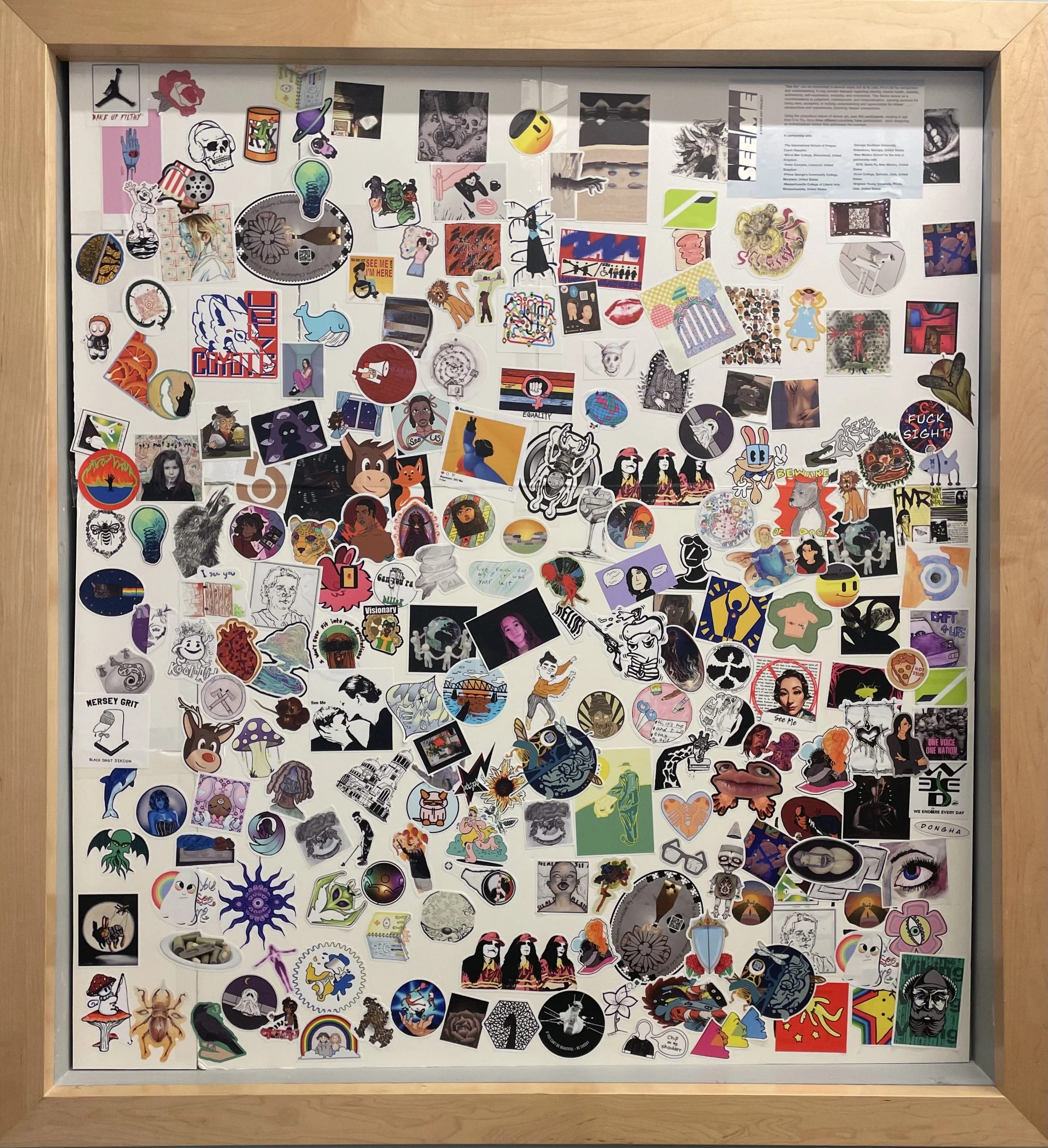
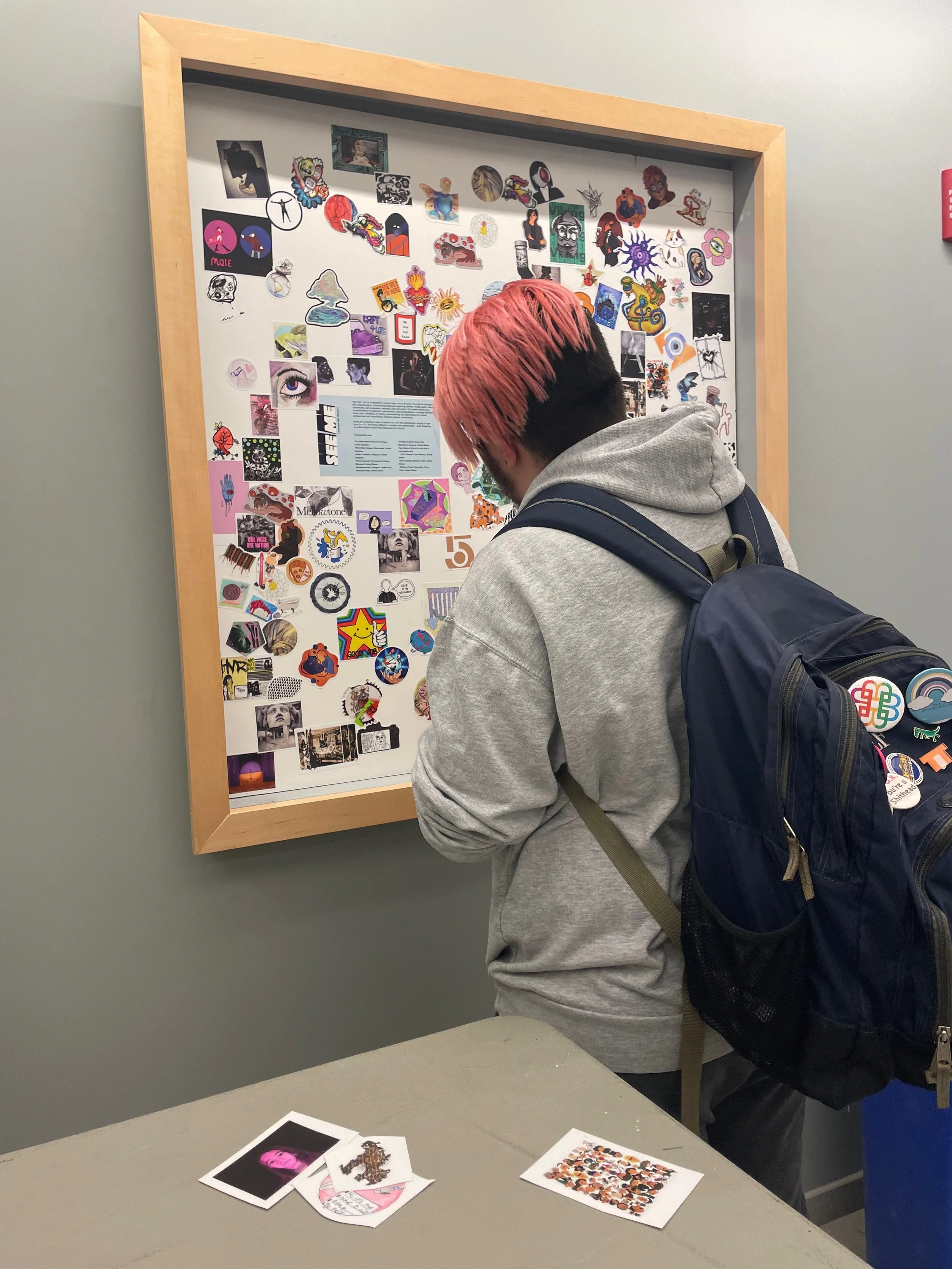
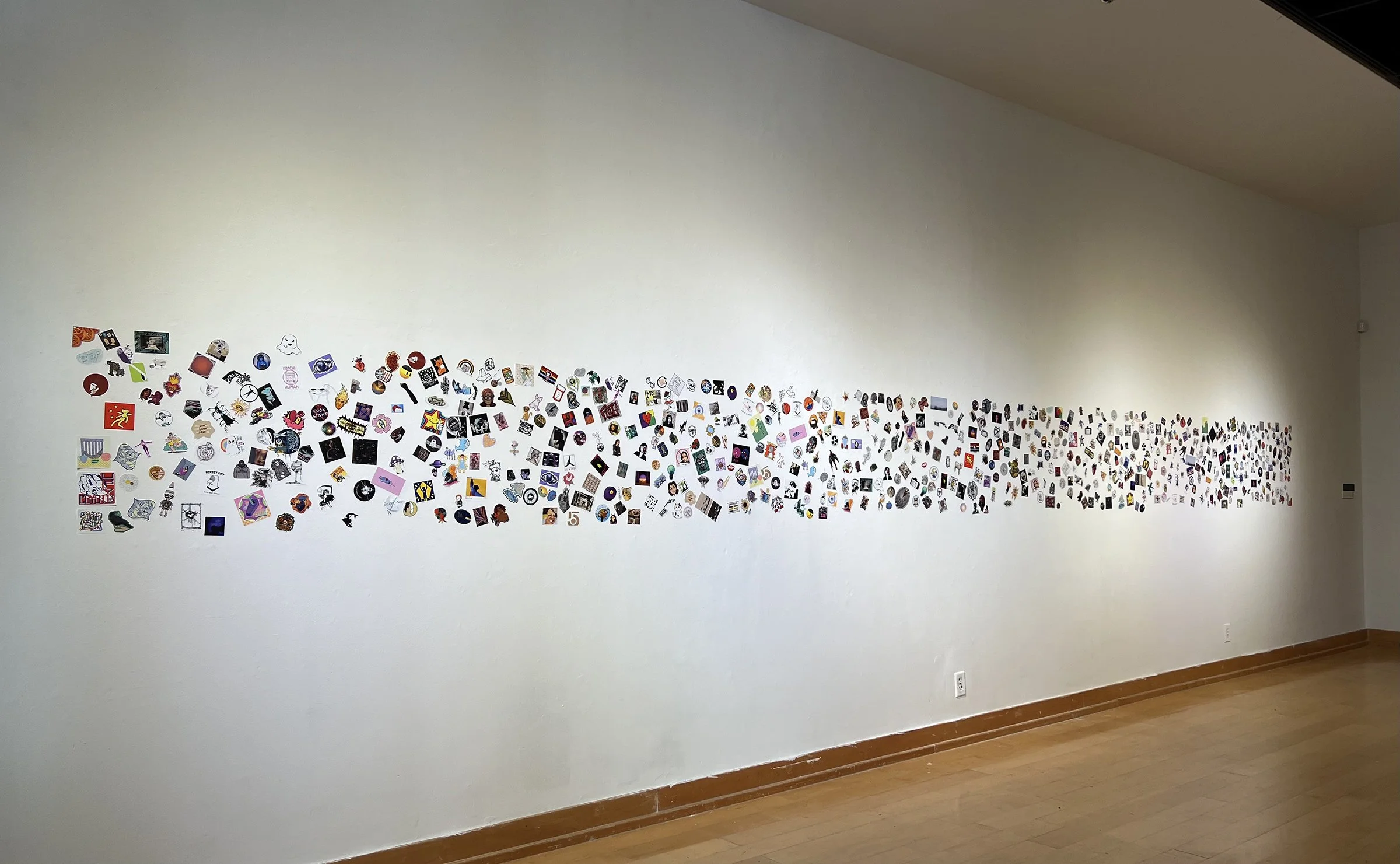
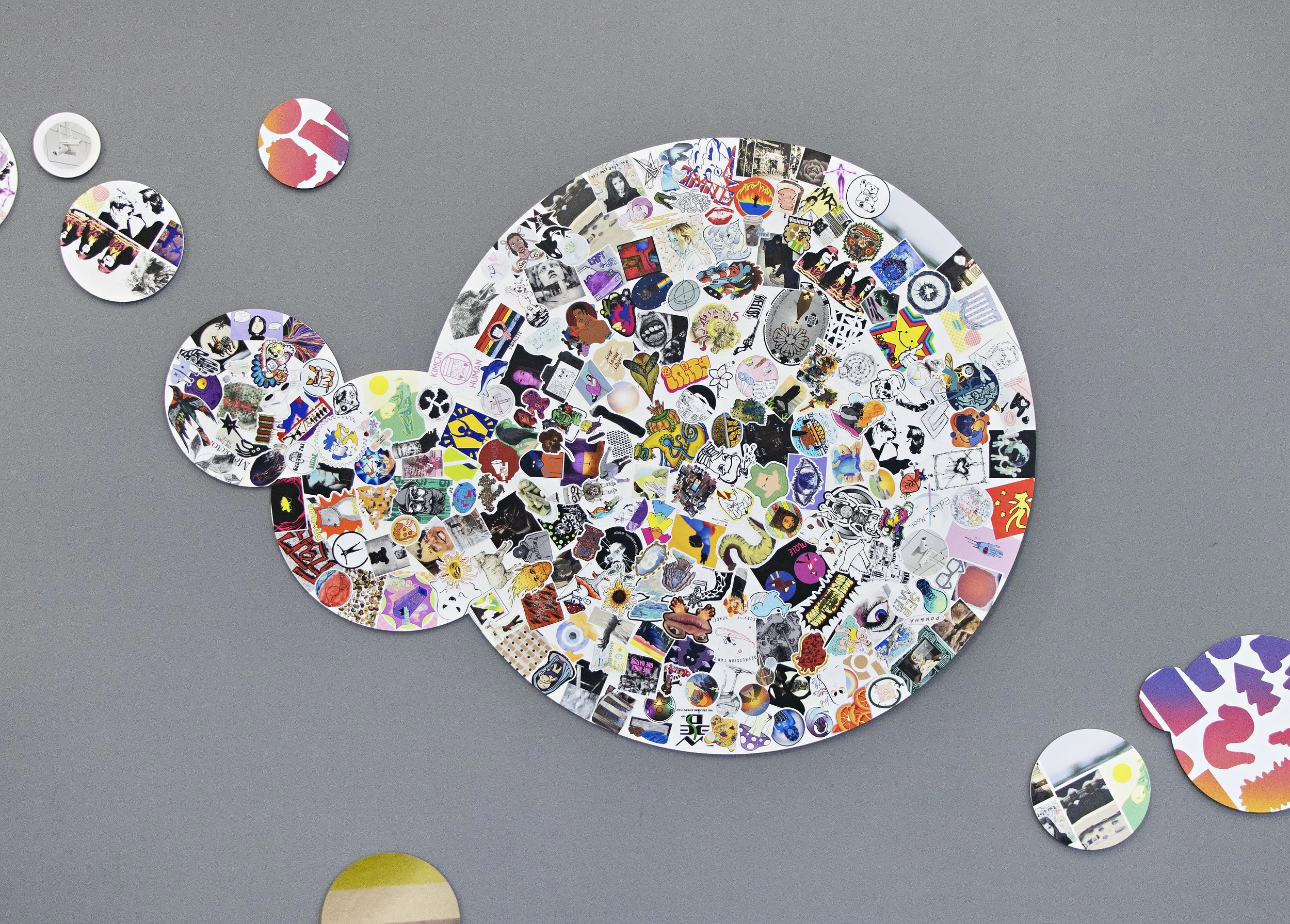
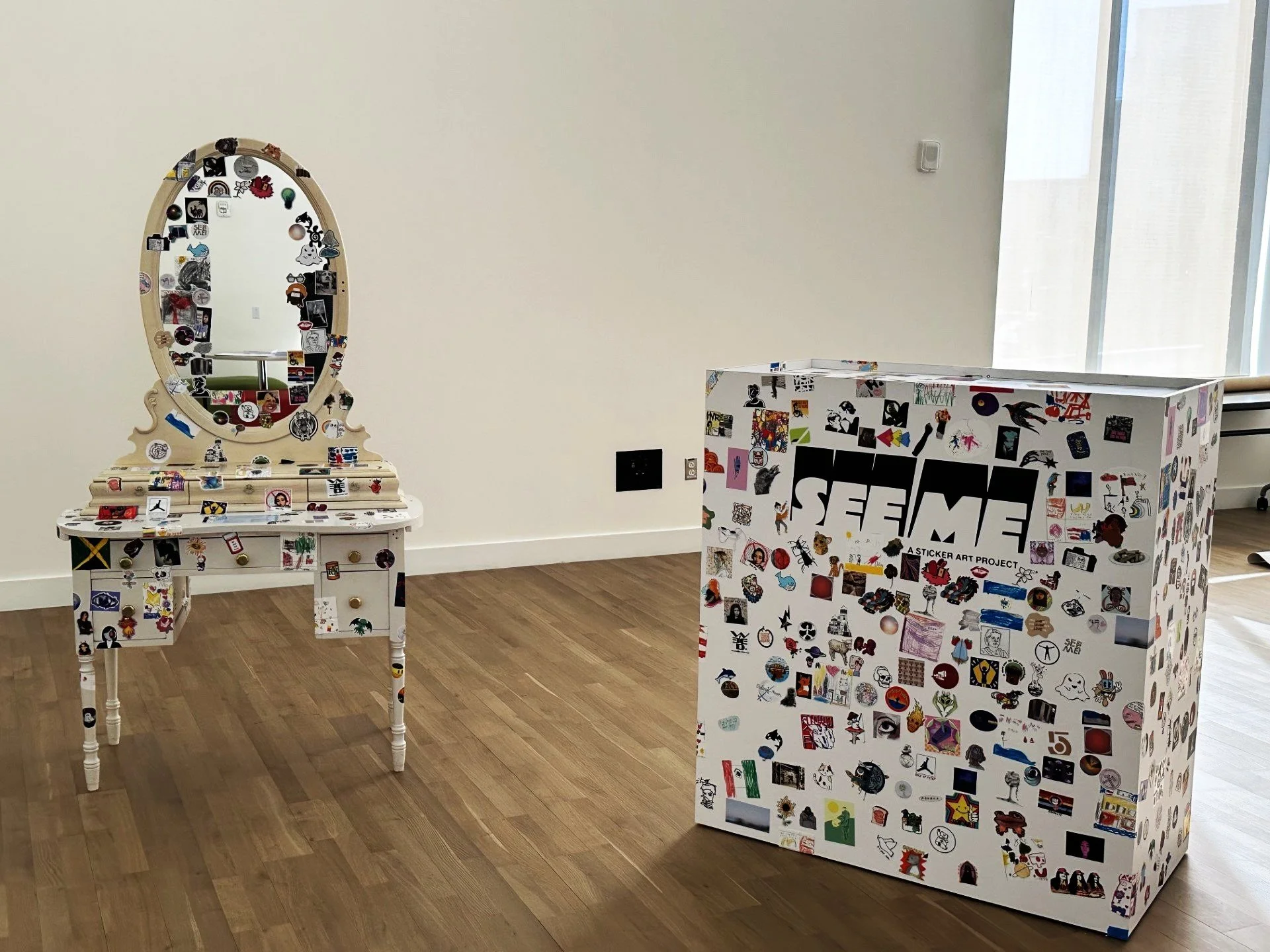
A sticker art project
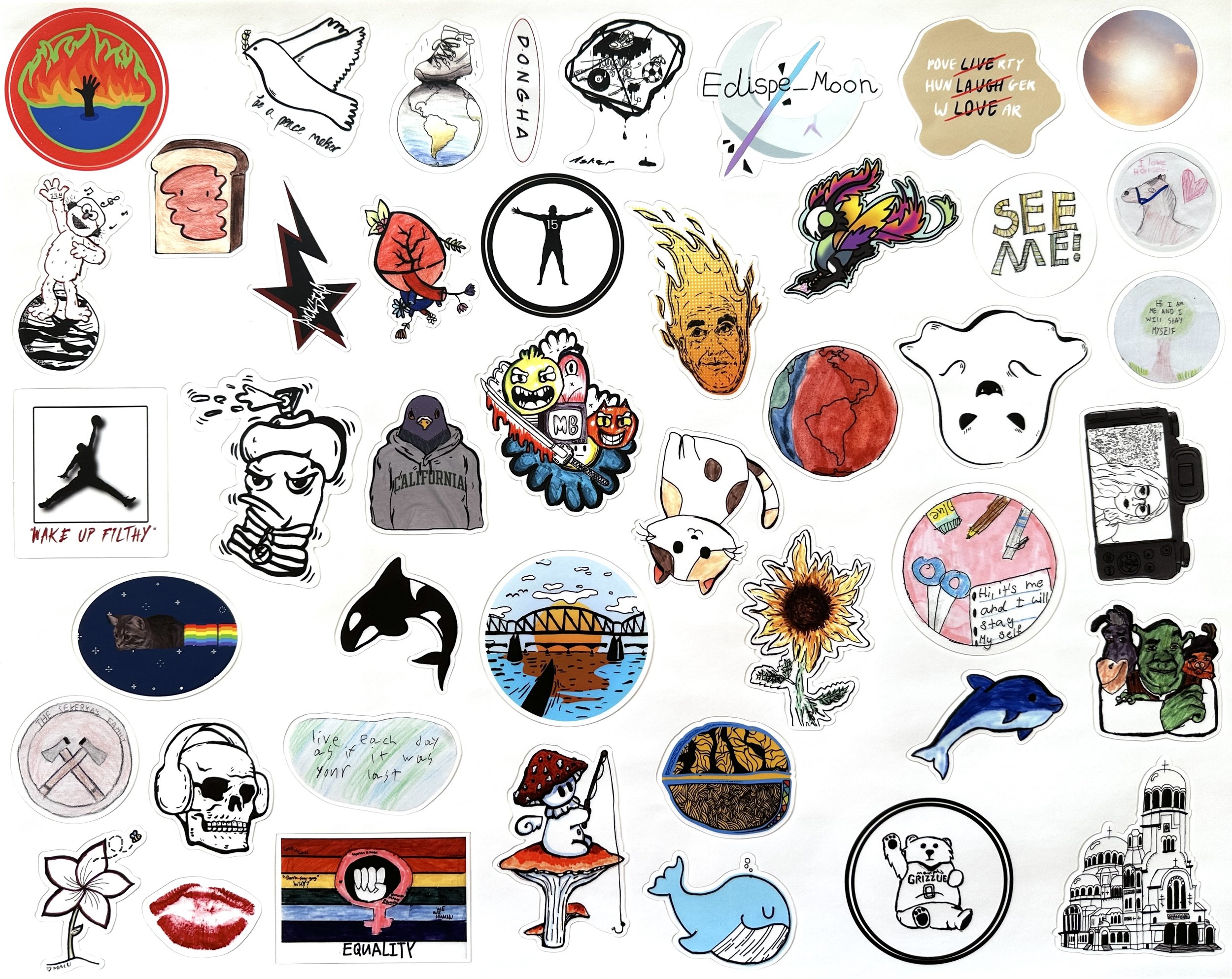
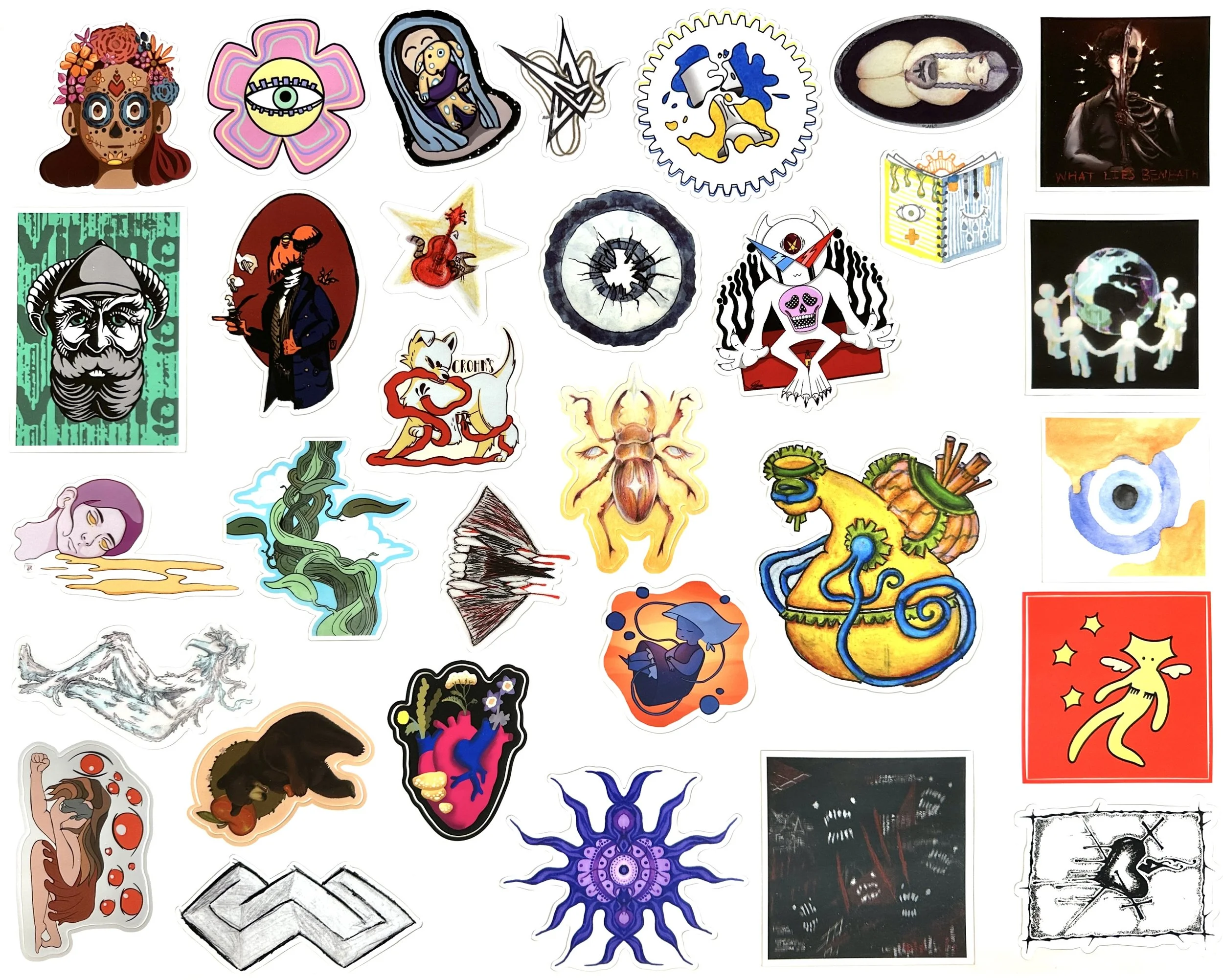
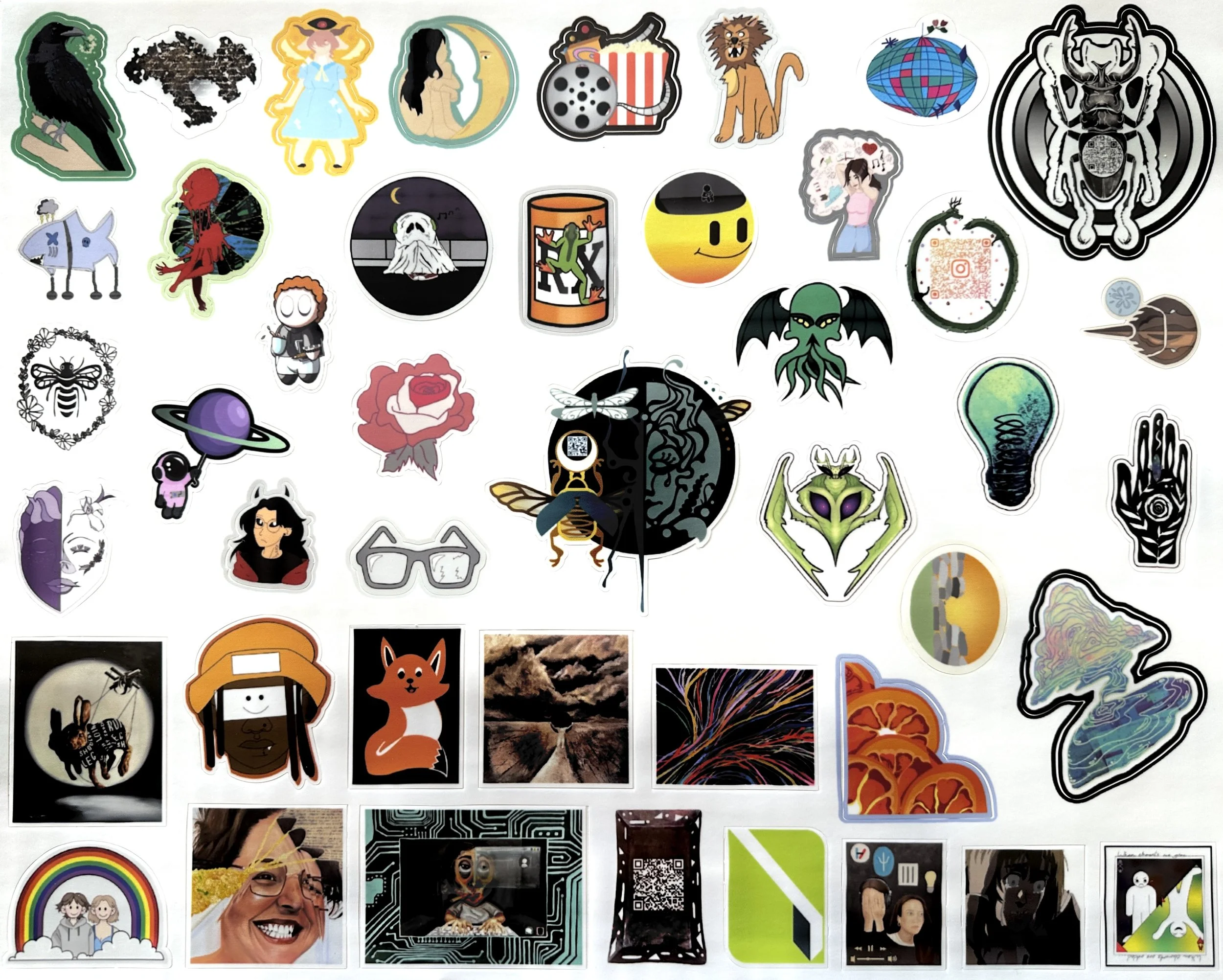
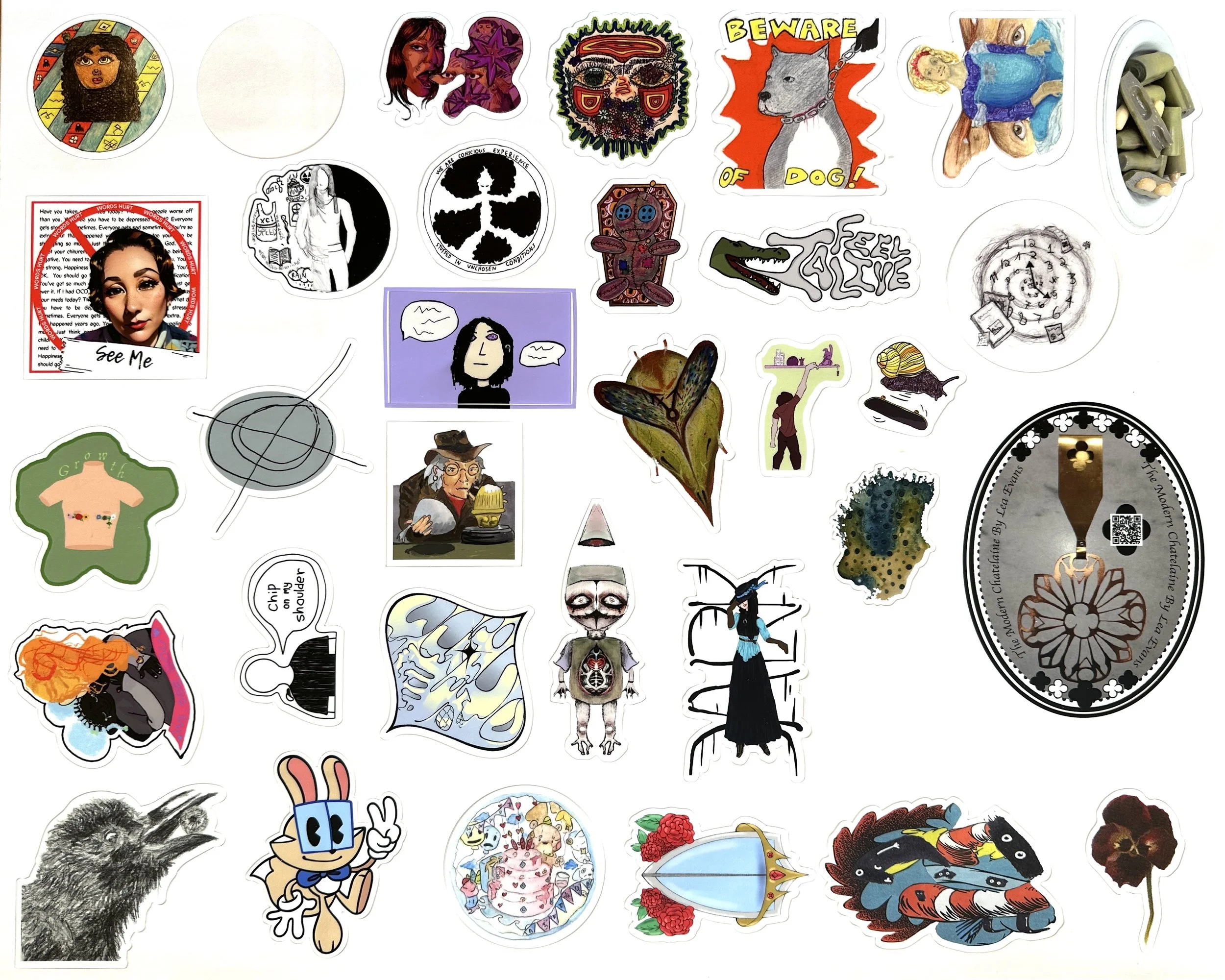
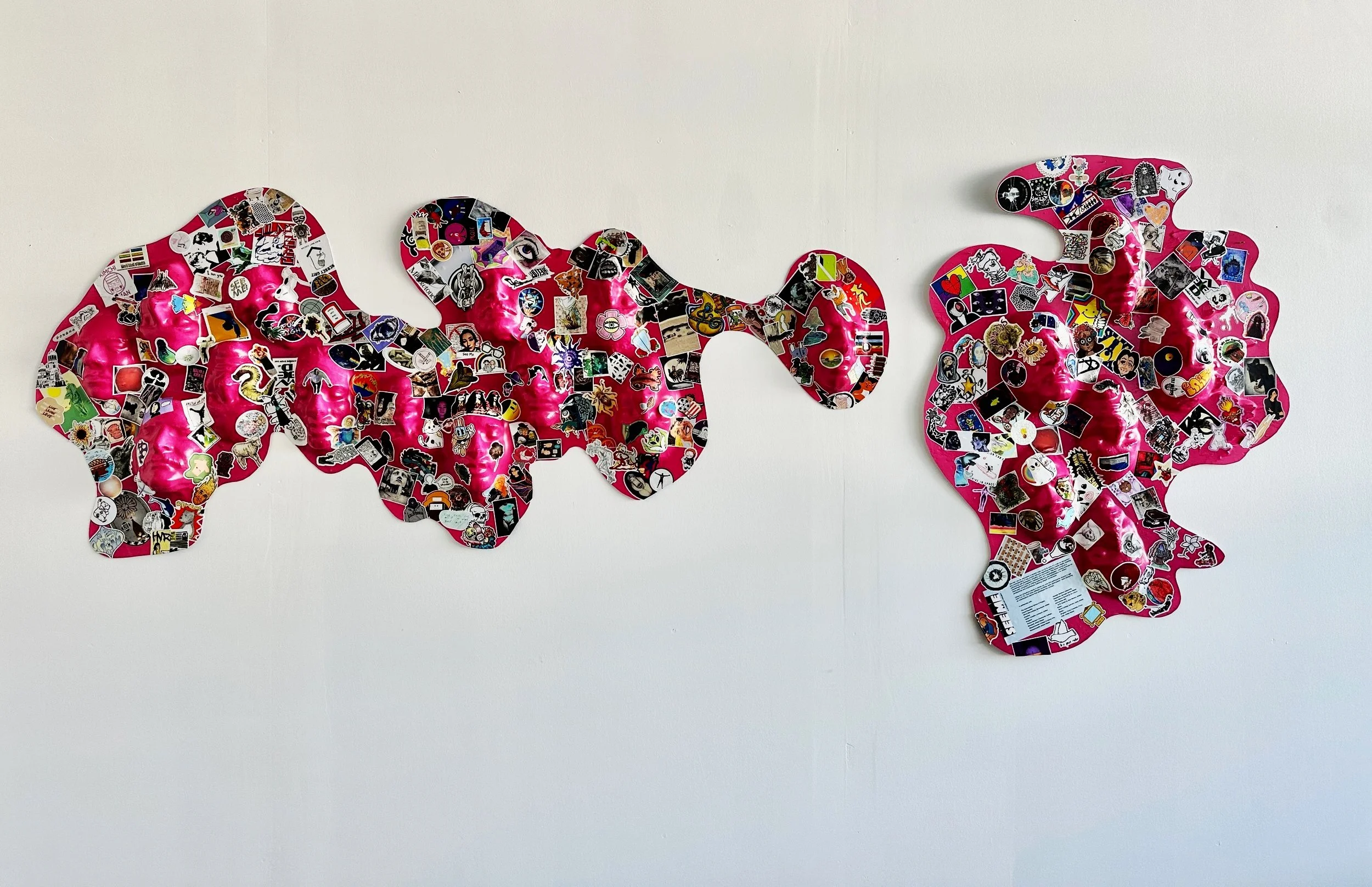
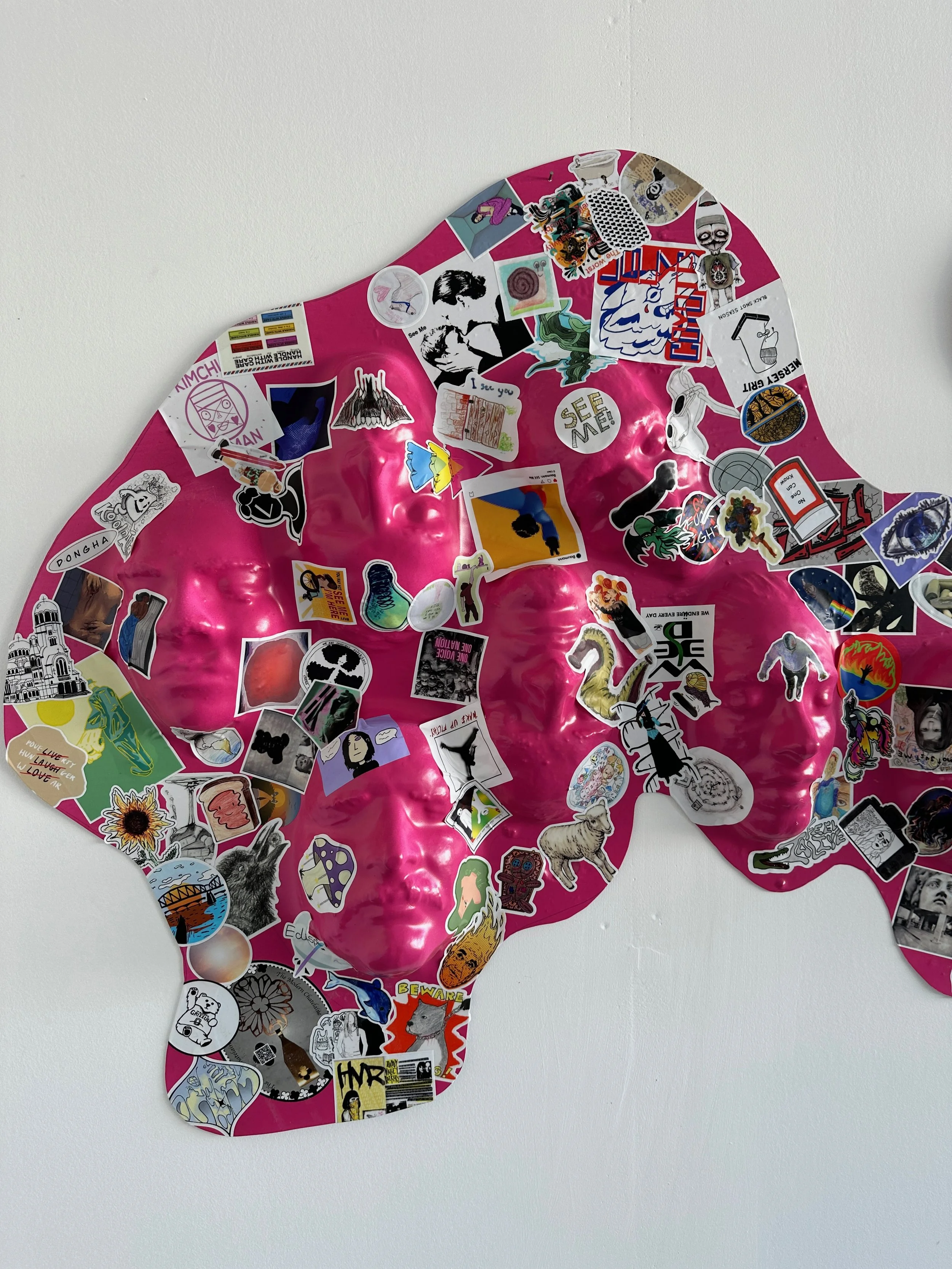
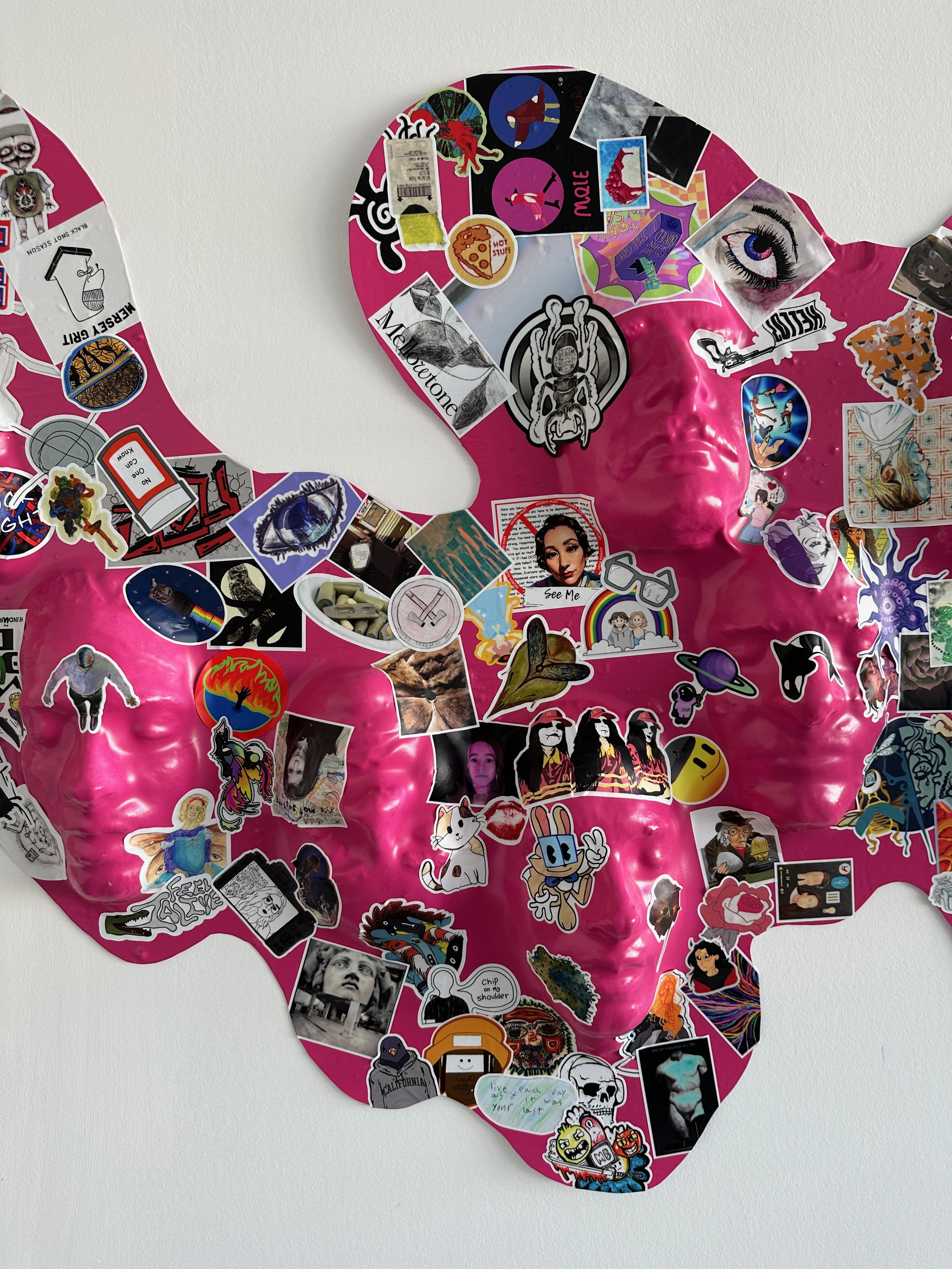
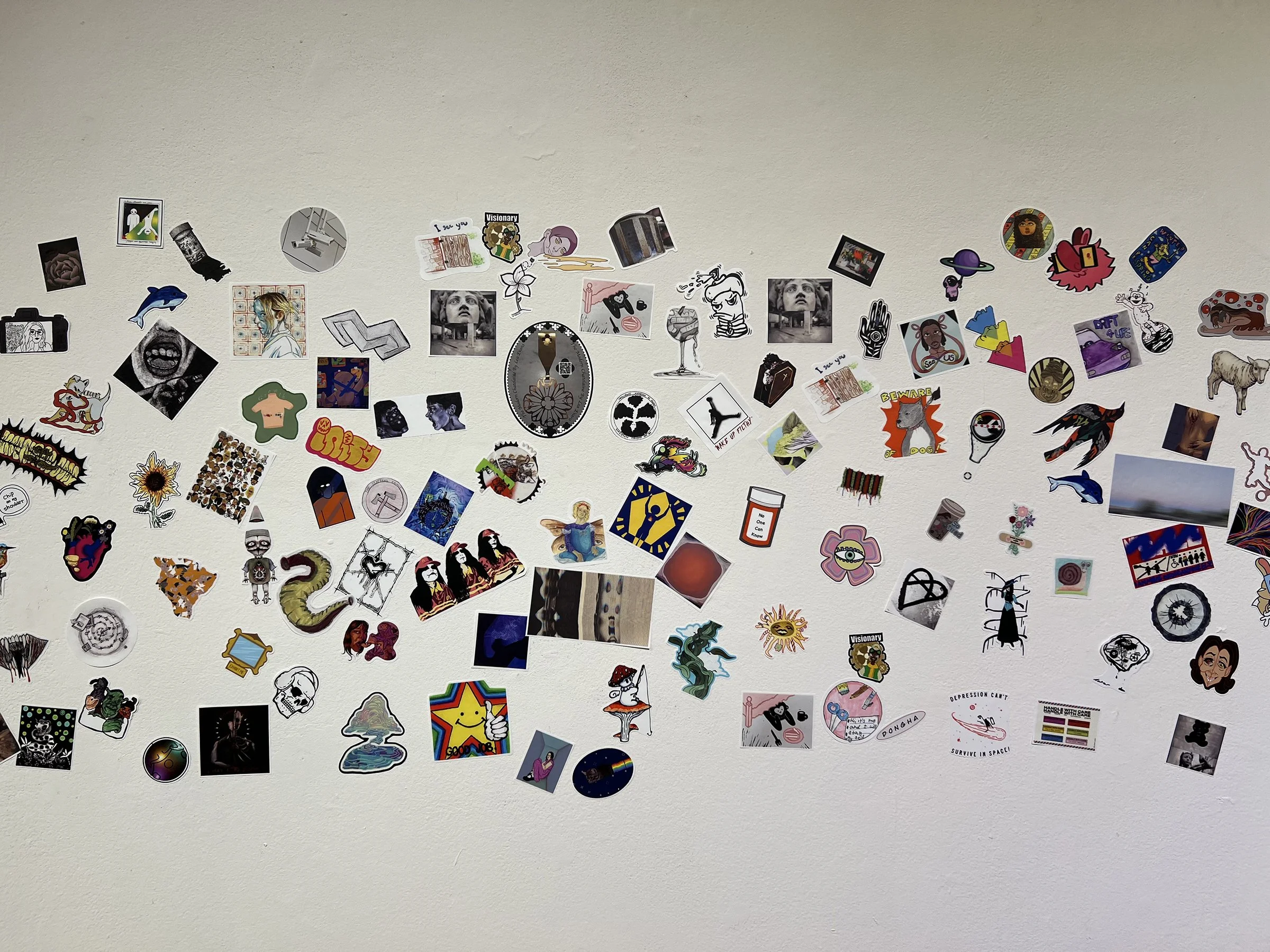
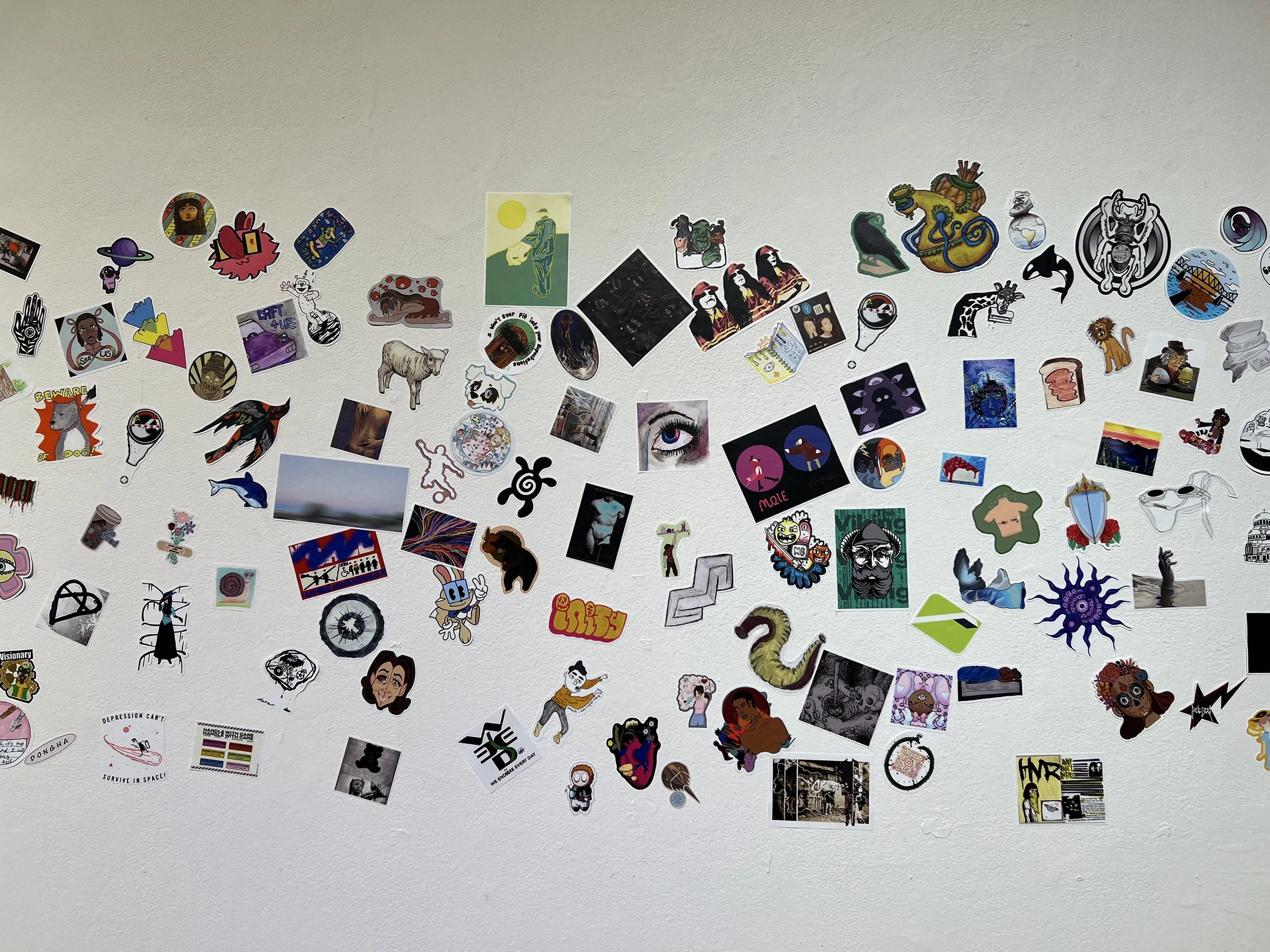
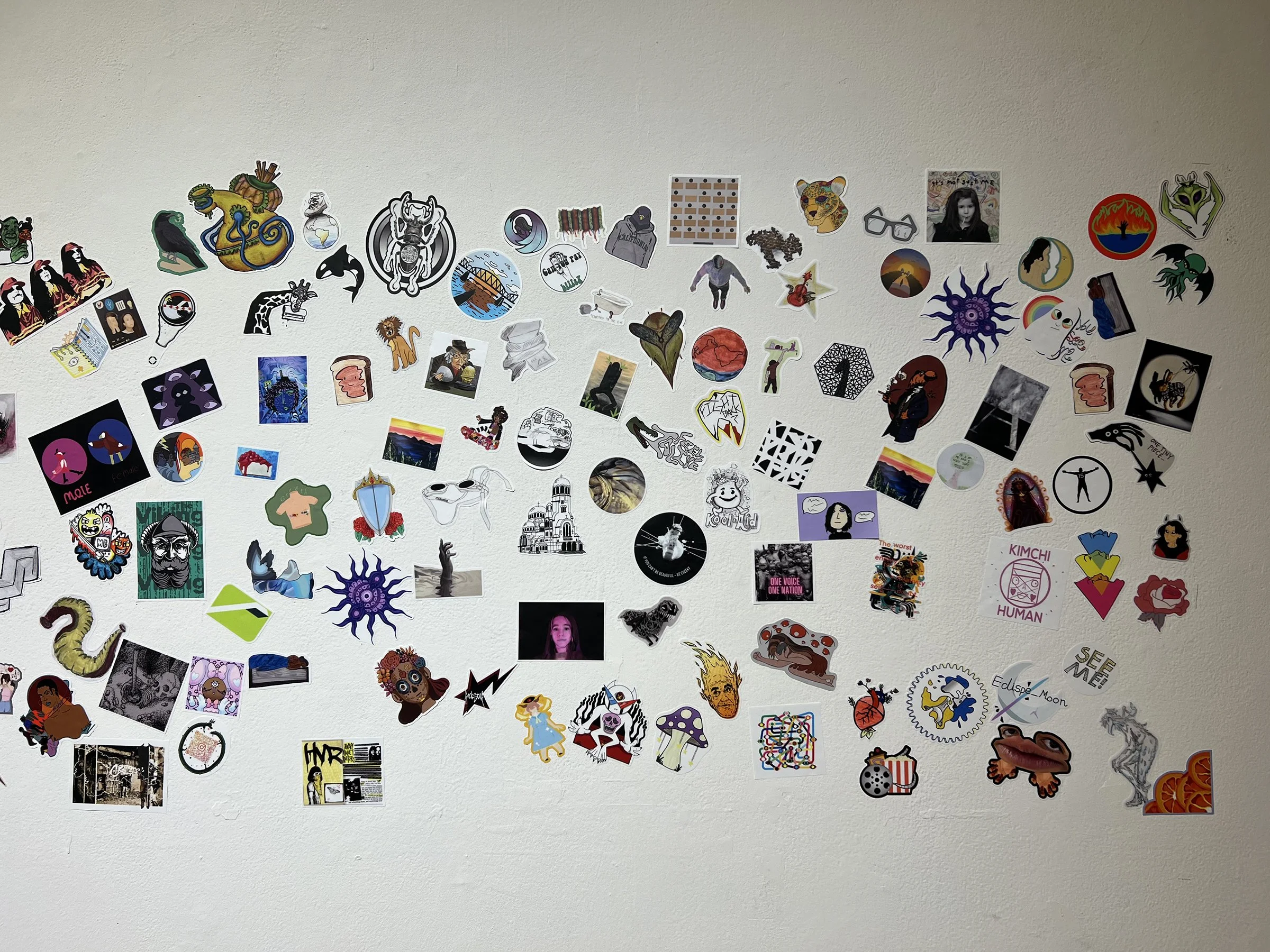
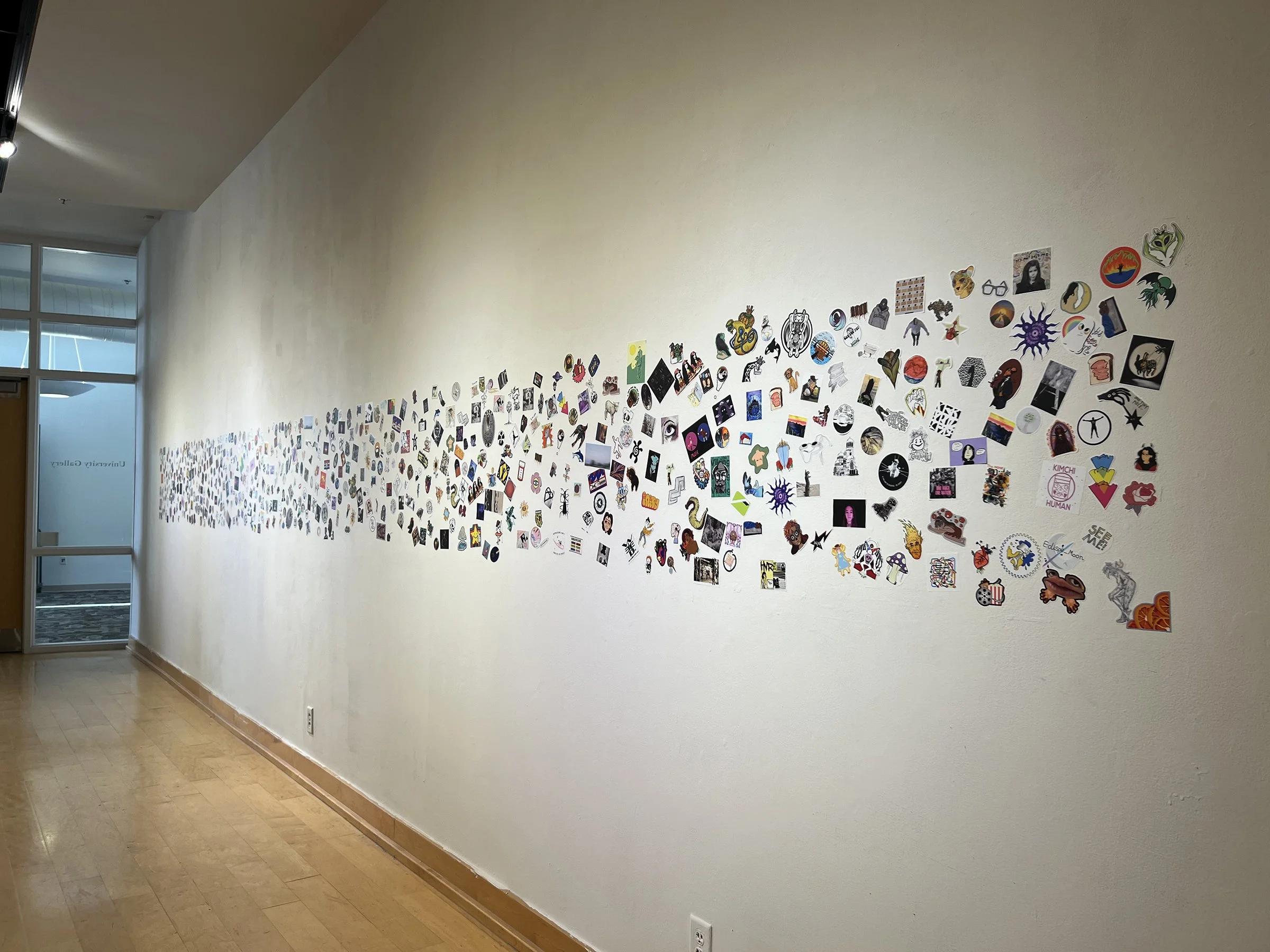
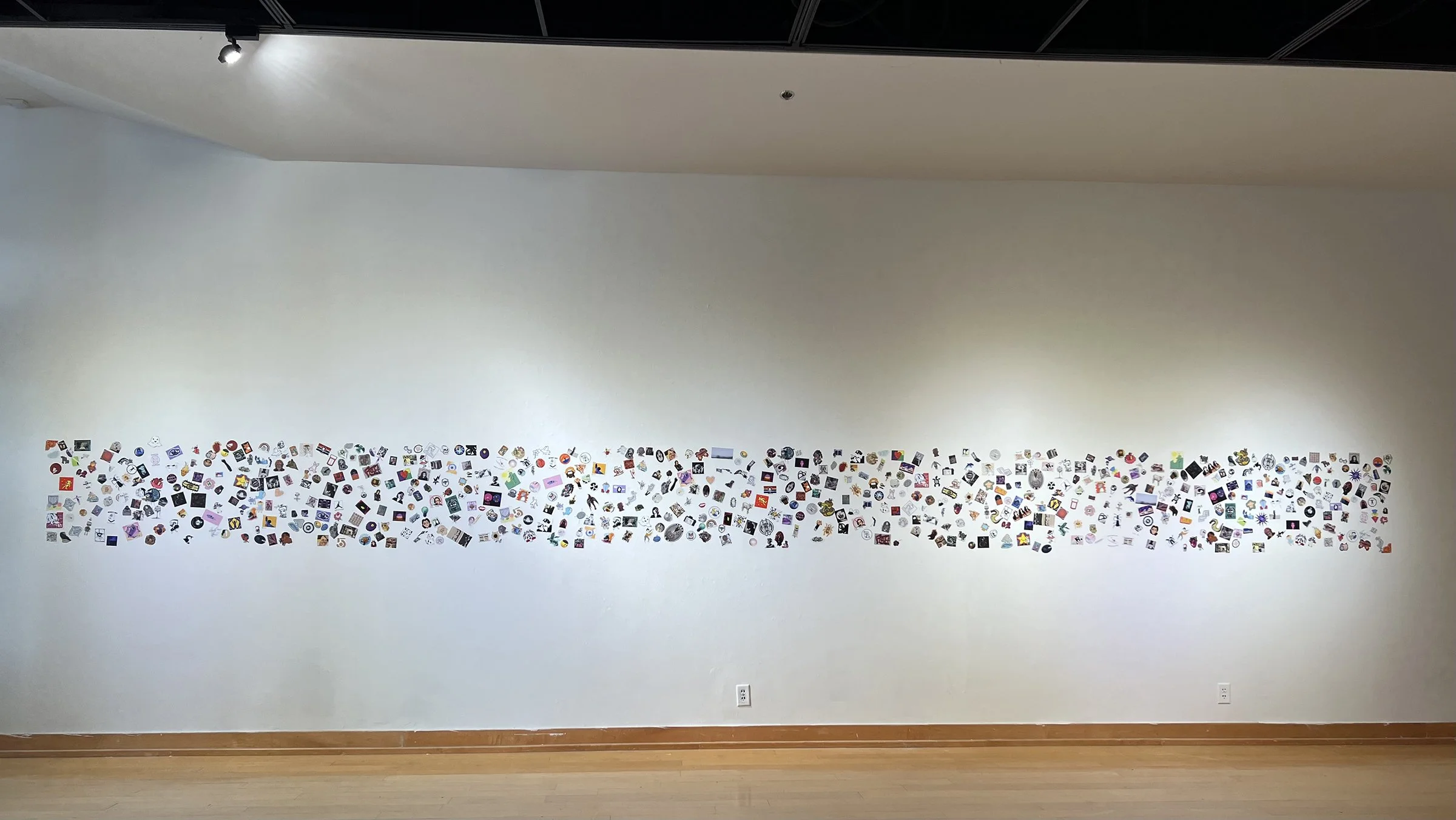
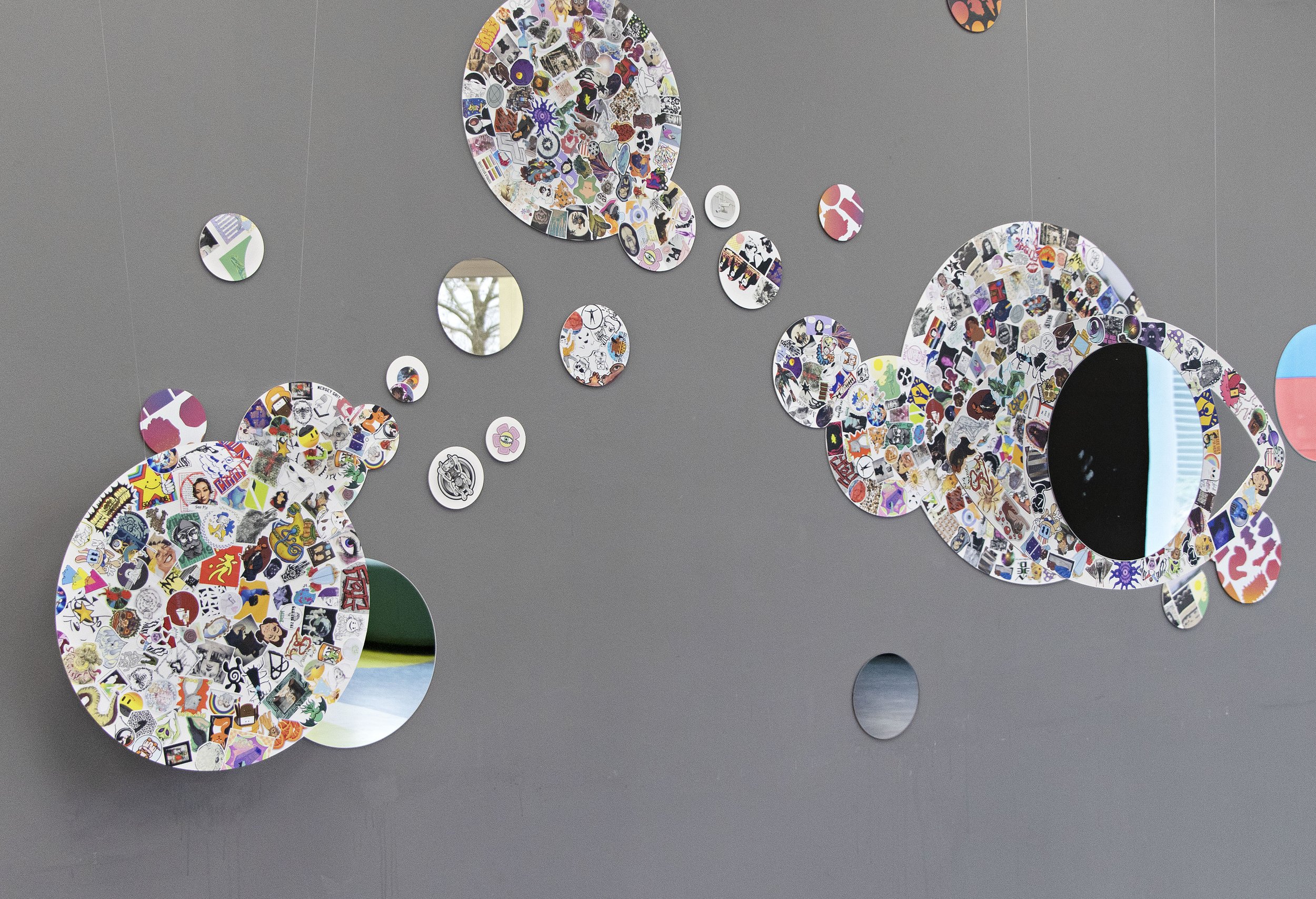
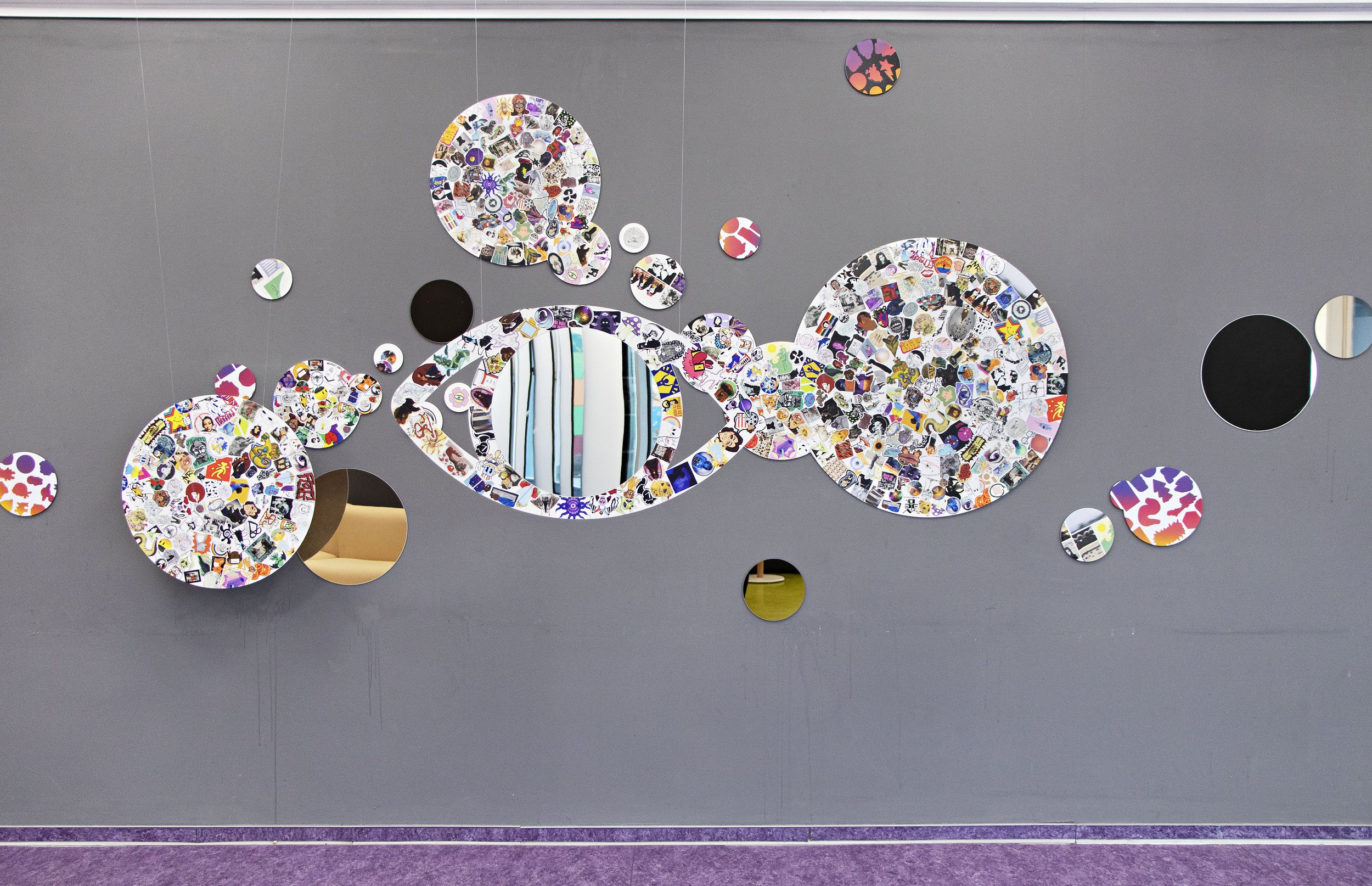
See Me is a call for recognition and understanding. Open to multiple interpretations, it invites dialogue around identity, mental health, visibility, authenticity, self-expression, empathy, and connection. As a counterpoint to judgment, mistreatment, and marginalization, the project emphasizes what it means to be seen and accepted. It also extends an invitation to recognize and engage with the perspectives and lived experiences of others, fostering deeper connection.
Drawing on the accessible, ubiquitous language of sticker art, the project brings together over 300 participants—from ages 5 to 70+—across three countries. Each participant designed an individual sticker in response to the theme. Project partners curated exhibitions at their respective sites.
Participating Partners
New Mexico School for the Arts, Santa Fe, NM, in partnership with SITE Santa Fe, NM
Prince George’s Community College, MD
Massachusetts College of Liberal Arts, MA
The International School of Prague, Czech Republic
Wirral Met College, Birkenhead, United Kingdom
Georgia Southern University, Statesboro, GA
Snow College, Ephraim, UT
Brigham Young University, Provo, UT
Video/ Performance
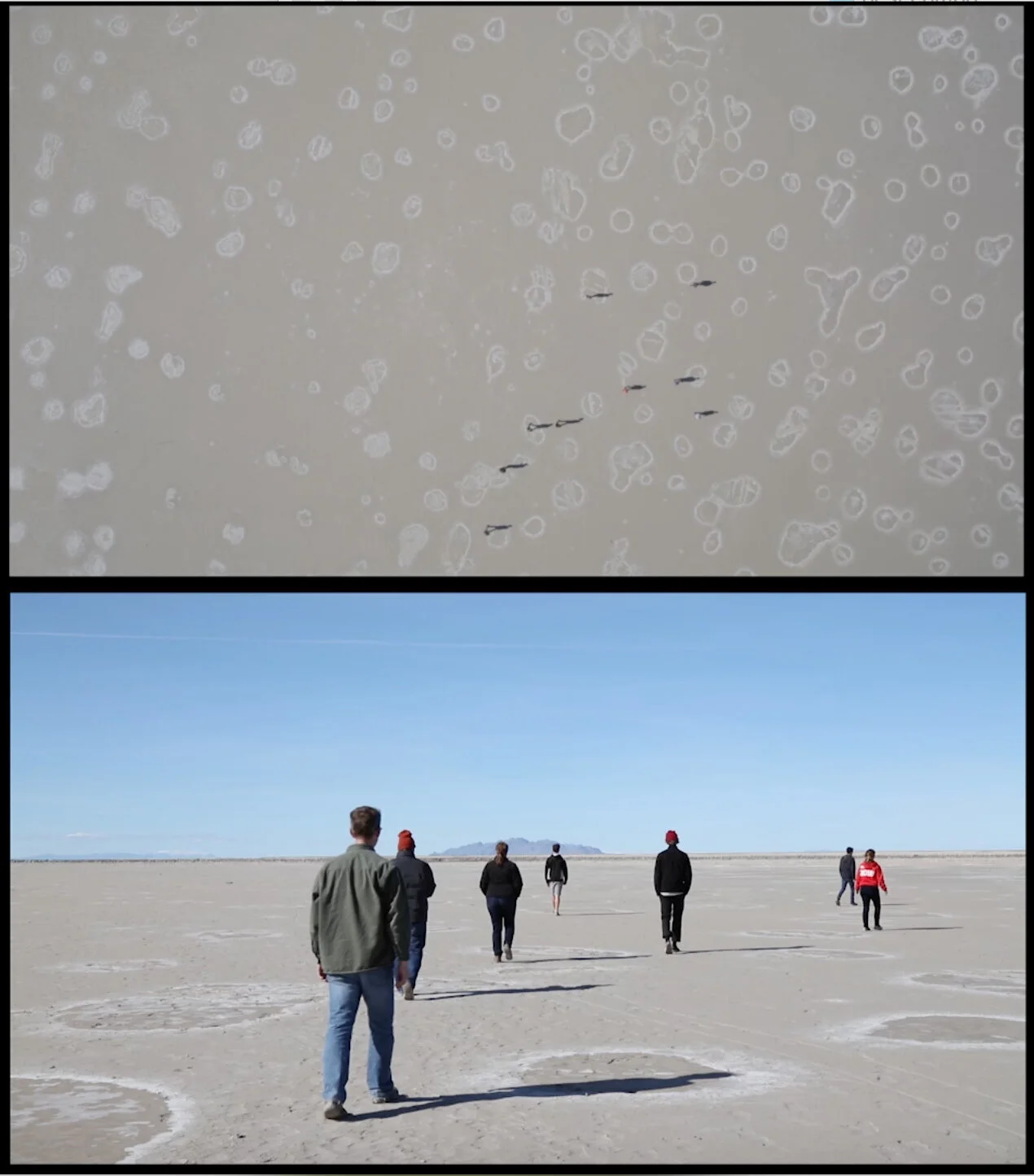
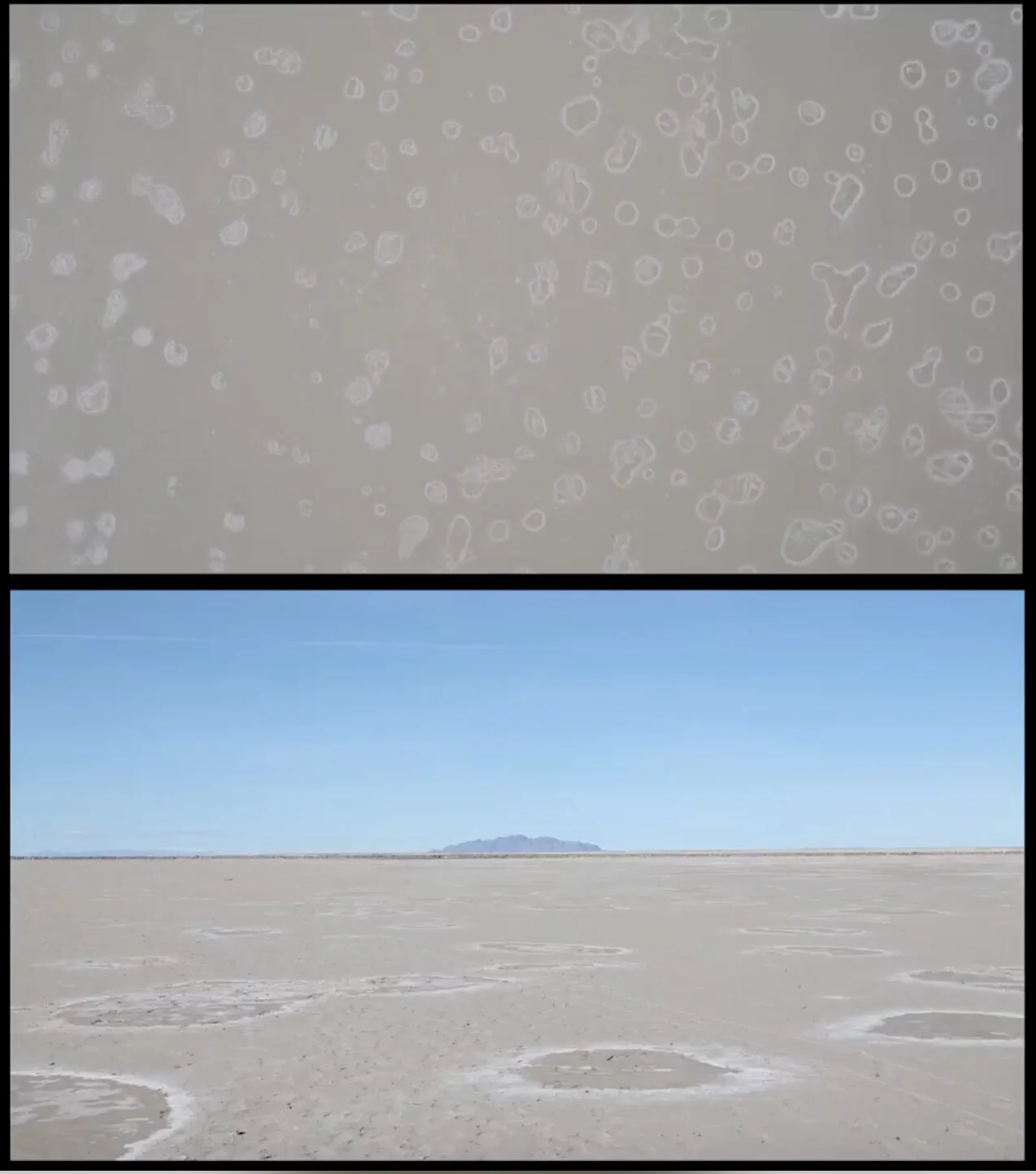
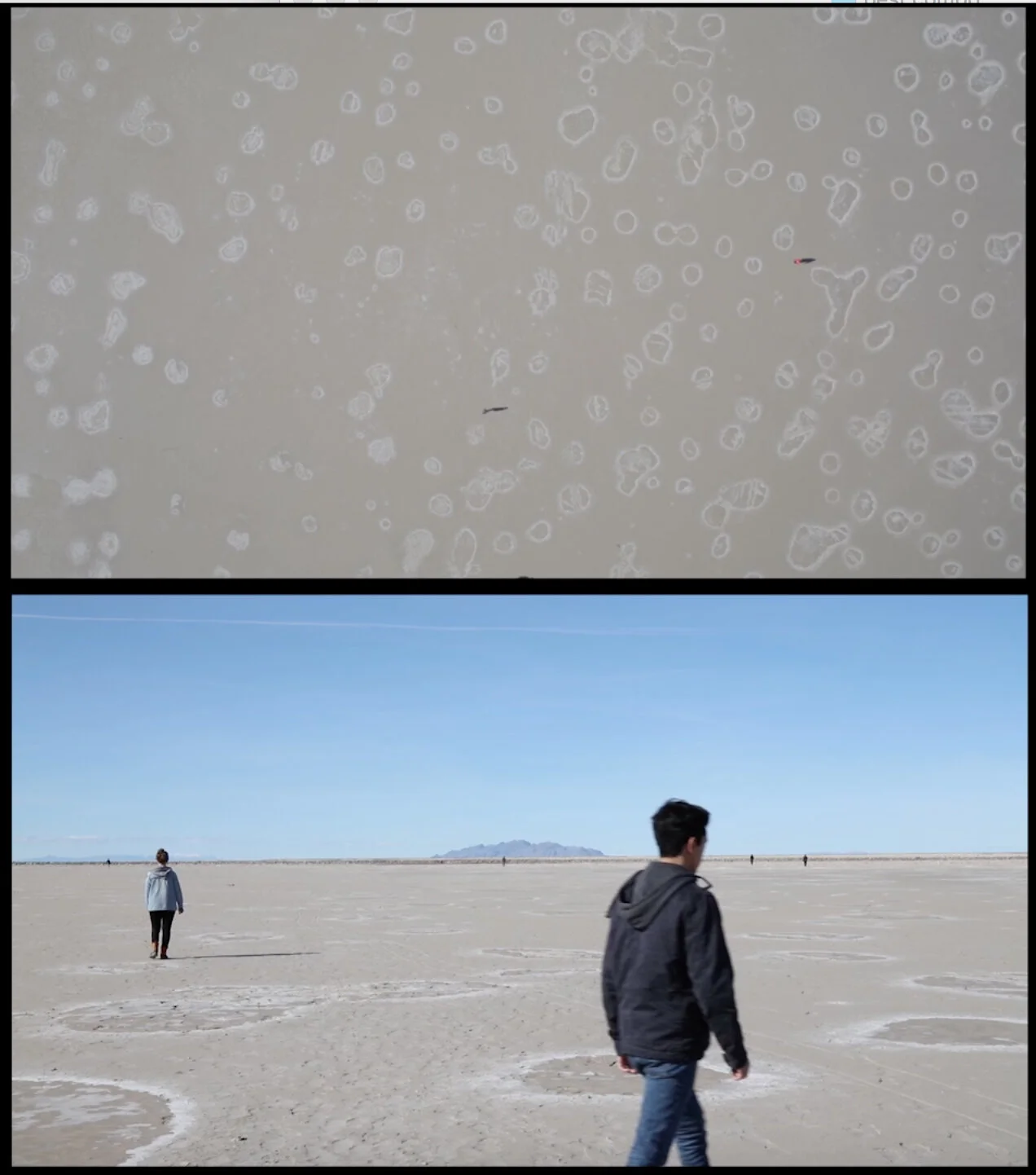
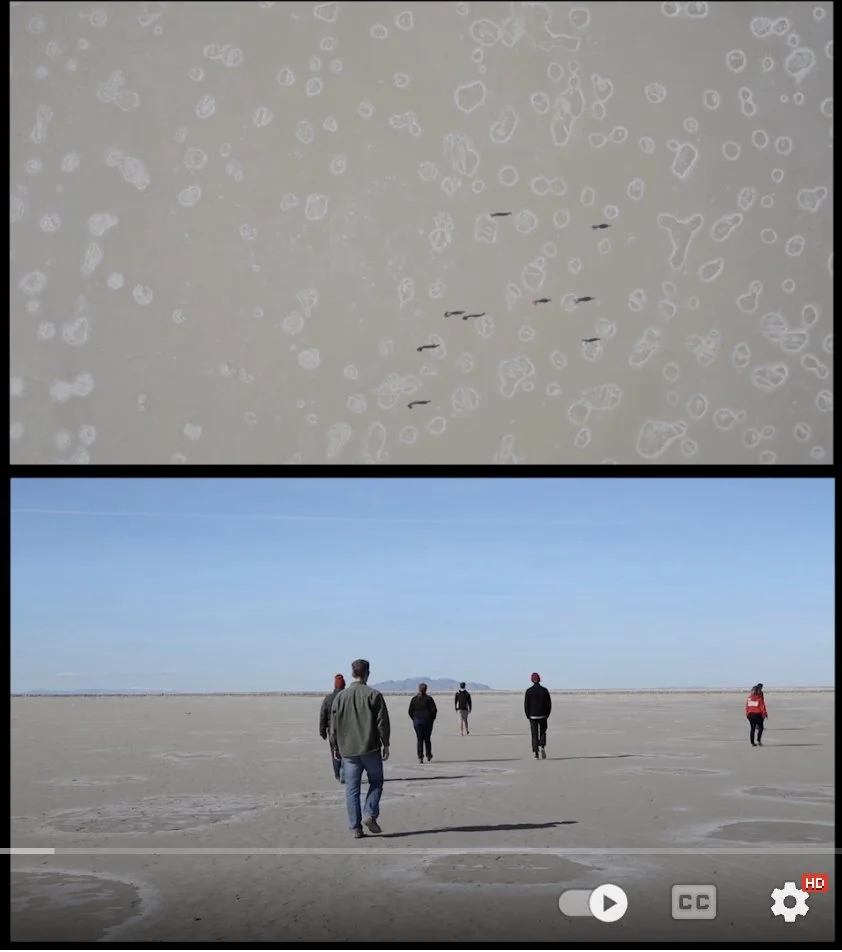
Twelve people attempt to walk straight with their eyes closed in response to an NPR presentation, Robert Krulwich on science, A Mystery: Why Can't We Walk Straight?
Development team of five – twelve participants